Talita Zaragoza – Sao Paulo, SP, Brazil

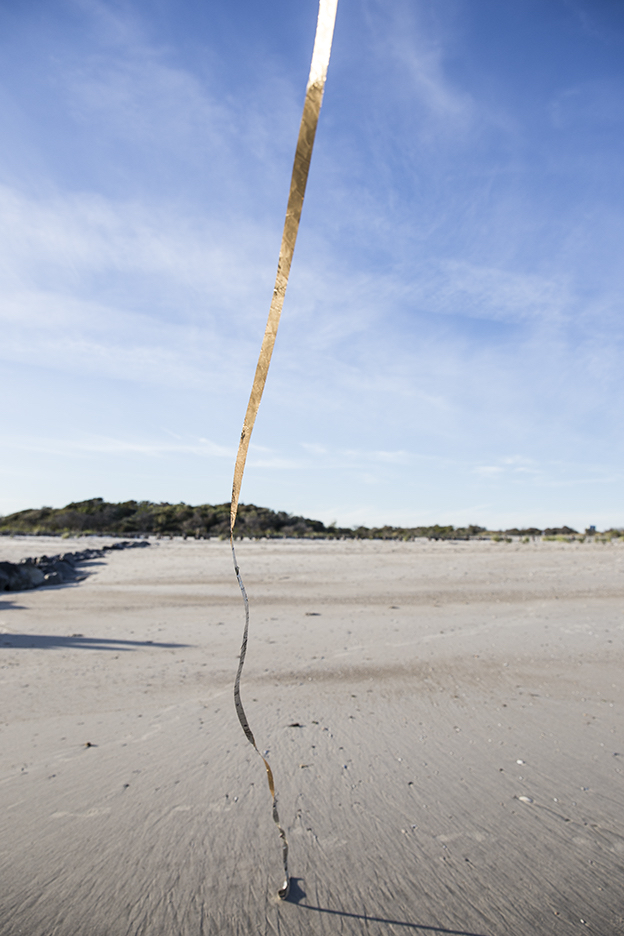
"Defiance I"; from the long-term project 'Along Silent Paths' 2015 35x24", Archival Inkjet on Paper

“Defiance I”; from the long-term project ‘Along Silent Paths’
2015
35×24″, Archival Inkjet on Paper

Briefly describe the work you do. 

I work mostly with photography and drawings. Nature has a big influence on my creations, being the subject photographed or the inspiration for my drawings.

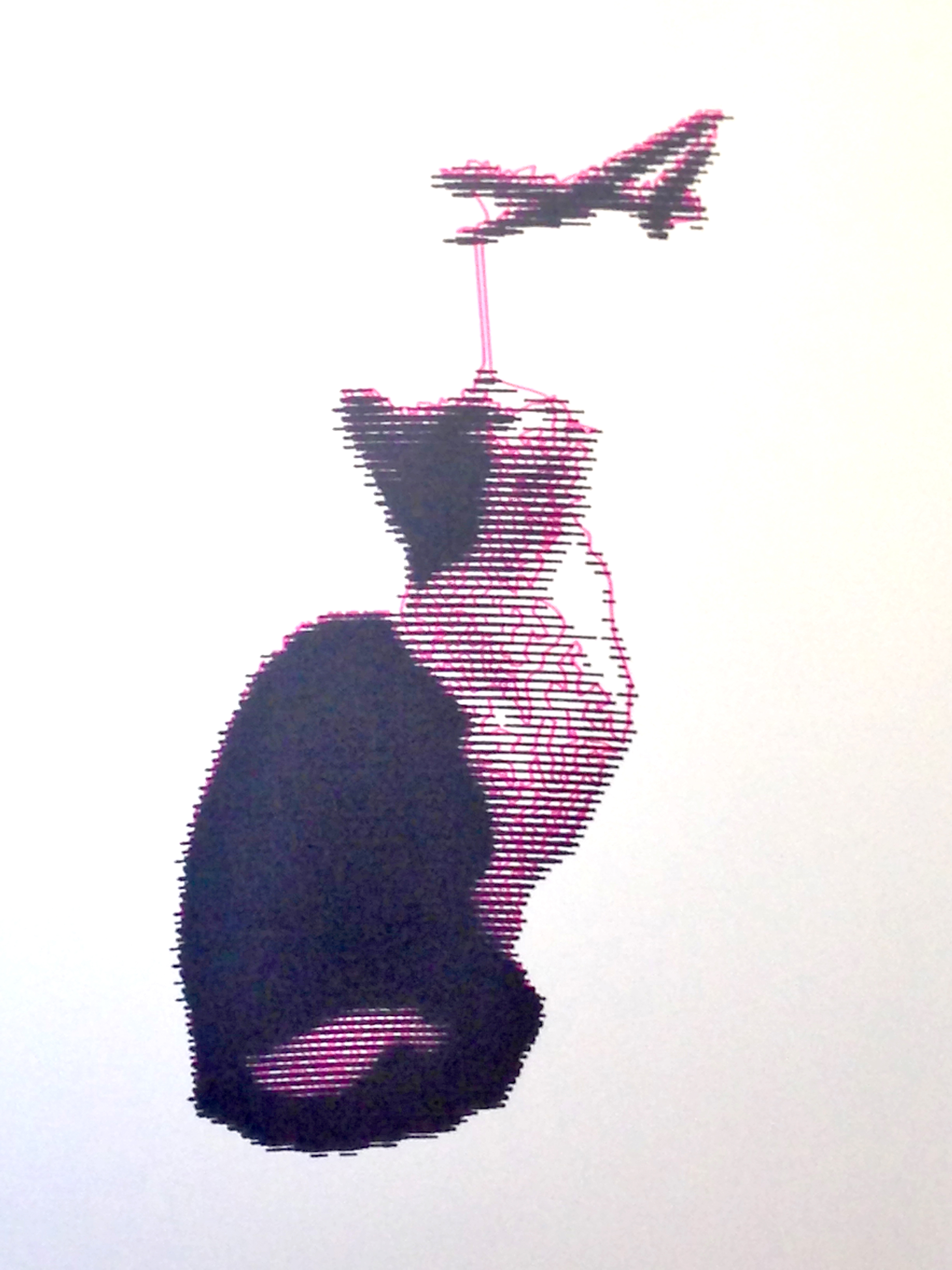
The drawings although are all abstract, one can always identify and project various shapes and forms. These drawings first started as studies of the growth rings of a tree, and Dendrochronology – the science that dates the age of a tree based on this rings. I see these drawings as very long-term project, as my life project, and they have been developing, not only conceptually but in technique as well. Overall, I see them as dedication drawings, where time and patience are essential.  

On the photographic work I’ve been playing with interventions on the landscape. Either on site, where I bring props, Indian ink or tapes, or on the techniques and digital interventions I use exploring how to deconstruct the concept and the visual projection we have of a landscape. I a few long-term projects I’ve been working right now, and although they differ visually, they all come together on the sense that I see my acts as gesture of dedication and questioning the relationship of men and nature.

Tell us about your background and how that has had an influence on your work and on you as an artist.

I come from a family of artists so that has always been a big influence on my life in general. I grew up going to exhibitions, museums and openings and being enchanted by this eccentric world. When the time came to choose a University I applied for Arts and Environmental Management. I ended up doing Fine Arts, but like I said, nature has a big weigh on my work.
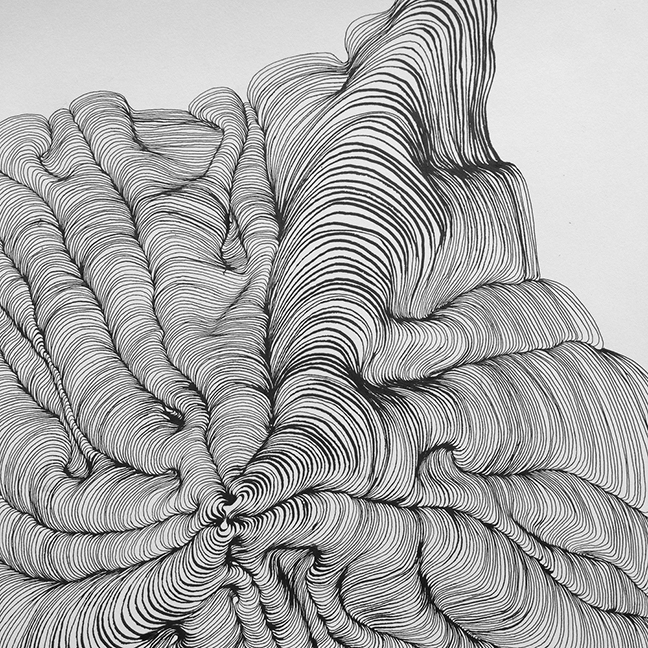
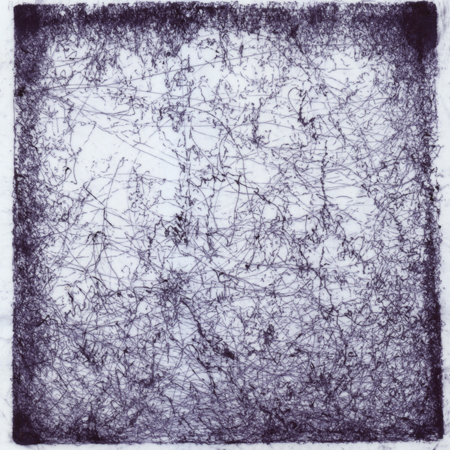
Mount Emei,  2014 Ink on paper, 12x12"

Mount Emei,
2014
Ink on paper, 12×12″

The concept of the artist studio has a broad range of meanings in contemporary practice. Artists may spend much of their time in the actual studio, or they may spend very little time in it. Tell us about your individual studio practice and how it differs from or is the same as traditional notions of “being in the studio.”

I am currently on Art Residency where I have a private studio, but back in Brooklyn, where I live, I don’t have an actual studio, but I have a space on my house where I can use a wall and a big table. I believe that even if you don’t have an actual ‘Artist Studio’, you can always adapt and work with the space you have. It will definitely influence on the kind of work you are doing, if you don’t have much space you’ll find a way to produce and experiment on smaller works, digital work, photography, going outdoor… And in the same way, if you do have a large studio you are probably going to expand the production size wise and maybe clatter more things – usually happens to me when I have a studio, but either way it is possible, in my opinion. If you want to make art, you’ll find a way.

What roles do you find yourself playing that you may not have envisioned yourself in when you first started making art?

I find it very difficult for me to sell my work and to do all the business and marketing part of it. But of course we can’t run away from it. And I definitely did not see myself using technology like I do now. I used to, and still have a complicated relationship with computers.

When do you find is the best time to make art? Do you set aside a specific time everyday or do you have to work whenever time allows?

It depends. During some periods I can set aside a production time to work on my things, but sometimes life just gets crazy and I have to work whenever possible. Because I like to photograph the outdoors and natural landscapes, I usually work more on that when traveling, and then work on the post-production, editing, printing and writing from home. The drawing part is somehow easier because I can do it wherever has a wall or a big table, but I see that if my mind is too tired, it gets really hard to concentrate and draw for many hours.
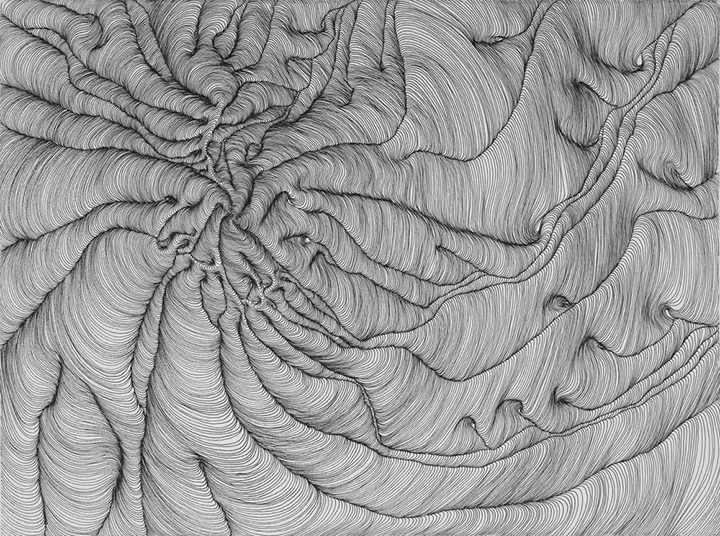
Himalaya 2012 Ink on paper, 20x28"

Himalaya
2012
Ink on paper, 20×28″

How has your work changed in the past five years? How is it the same?

I believe that my work has been gaining more strength and I also understand it better, where it is going and what I need to explore more. I think that the technique and the mastery of the material have also developed. But the same essence, of a long dedication and meditation on one work has definitely lasted.

How have people such as family, friends, writers, philosophers, other artists or even pop icons had an impact on the work you do?

Living in New York you have the chance to be always surprised with all the possibilities, and all the references you perceive daily. I find that incredible and it is probably a great influence on my work and perceptions in a whole. I love being up-to-date on galleries, museums and independent art spaces to see what is happening around me.

Have you ever been pulled in the direction of a pursuit other than being an artist? What are your other interests?

I have been working with renowned artists as assistant and studio manager. I love the experience and all the knowledge you can get from working with people with more experience.

I also have a huge interest in botanical and landscape design, so I think I’d work with that. I actually don’t discard that possibility in the future.  

About
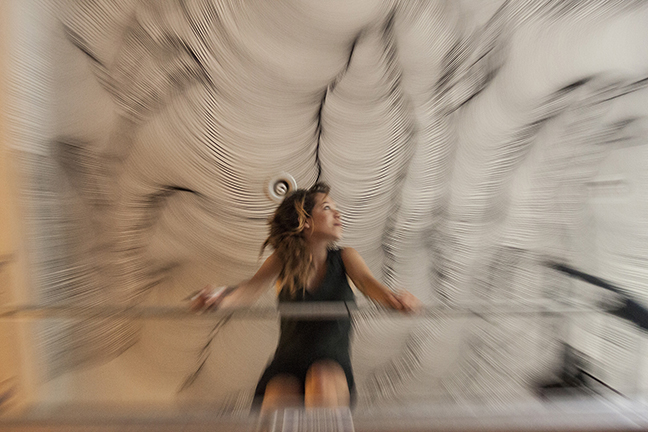
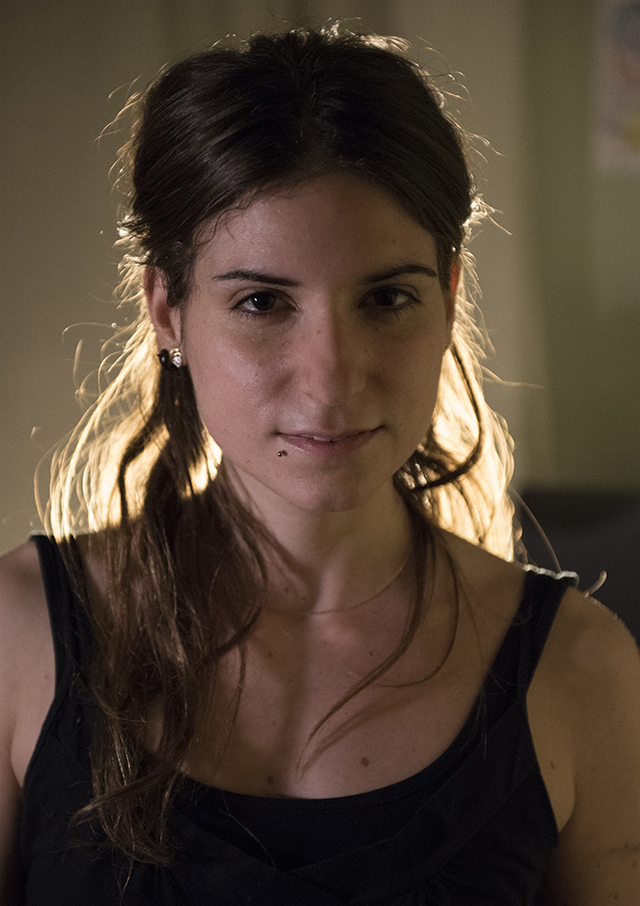
ProfileTalita Zaragoza was born in Sao Paulo, Brazil.

Received her Bacharel in Fine Arts in 2008 from FAAP – Fundação Armando Alvares Penteado. At the same school, received a Master in History of Art.

Talita has been working mostly with drawings and photography. Has participated in several group shows and art fairs, having a solo show in 2011, in São Paulo.

In 2012 the artist moved to New York and in 2013 was accepted at the International Center for Photography to attend the one-year course in General Studies, focused in Fine Art photography, completed in June of 2014.

The artist is based in Brooklyn, working with the multi artist Janaina Tschape and keeping her personal research inspired mainly by nature and landscapes, silent and echo, stillness and reactions, micro and macro, but not restricted to it. 
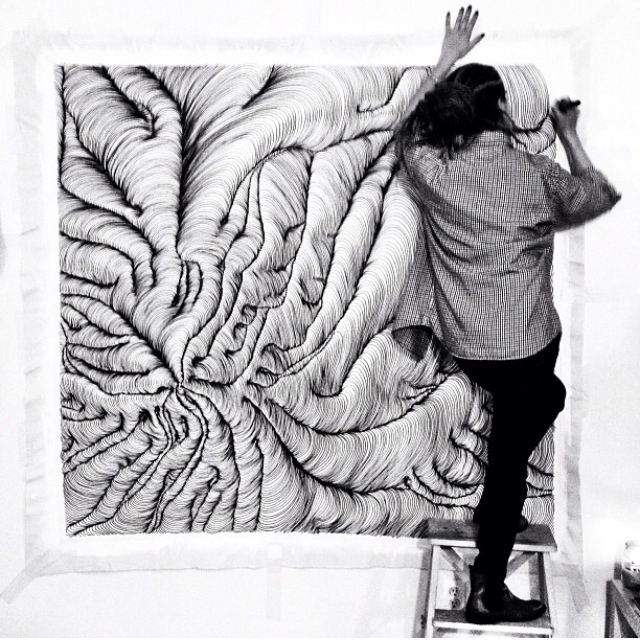
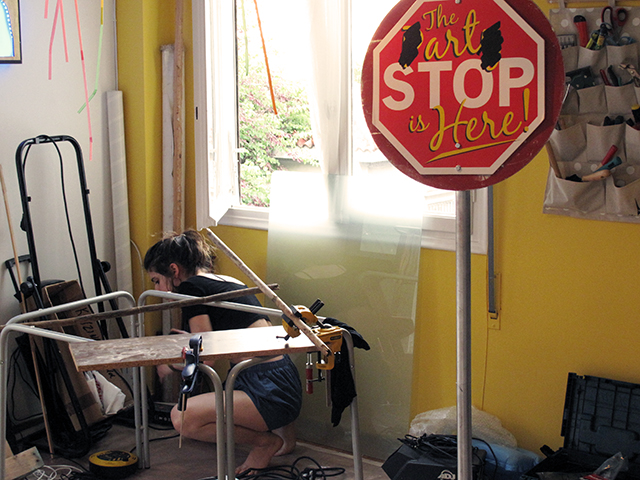
In Studio

talitazaragoza.com

All images copyright of the artist and used with their permission.
Posted in Drawing, Photography | Tagged , , , , , | Leave a comment

Billy Renkl – Clarksville, Tennessee

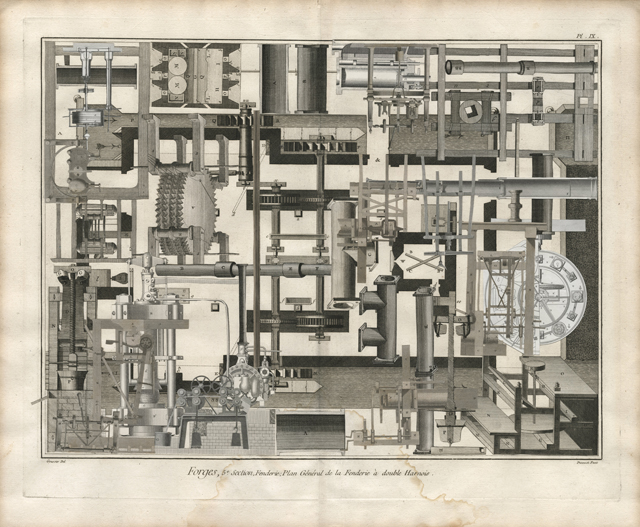
Deus Ex Machina collage of 19th c. technical engravings 16” x 19” 	2012

Deus Ex Machina
collage of 19th c. technical engravings
16” x 19”
2012

Briefly describe the work you do. 

I work in mixed media, though my emphasis is on collage.

Tell us about your background and how that has had an influence on your work and on you as an artist.

My undergraduate degree is in illustration from Auburn University, and I went to graduate school at the University of South Carolina in drawing. While I was at Auburn I took an astonishing biology class, and was really interested in the way the class used diagrams and other ‘information graphics.’ I came to see those images as having a kind of authority that my drawings didn’t have. That led me to using those images in my own work – an attempt to co-op some of that authority. Initially I would make collages from textbooks and other sources, and then use them as the sketches for drawings. Eventually I realized that the collages were more interesting than the drawings, and my focus has been on them ever since.

There are some facts from my life that bleed into everything I make, of course: I’m in love; I’m Southern; I was raised Catholic; I have three beautiful kids.

October 24, 1837: making room collage with mineral pigment 12” x 9” 	2013

October 24, 1837: making room
collage with mineral pigment
12” x 9”
2013

The concept of the artist studio has a broad range of meanings in contemporary practice. Artists may spend much of their time in the actual studio, or they may spend very little time in it. Tell us about your individual studio practice and how it differs from or is the same as traditional notions of “being in the studio.”

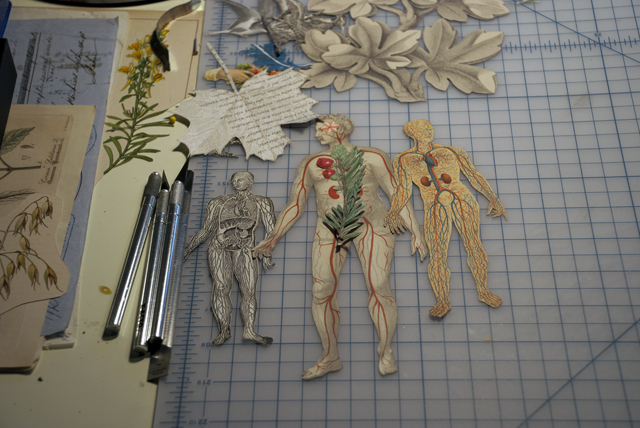
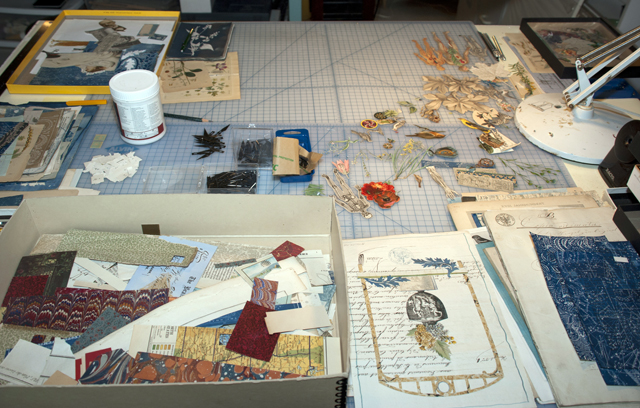
The most significant inspiration for me is the materials themselves. A lot of paper is very beautiful, and the way that it carries its history with it is really moving. Paper is almost like a body, the way that it ages, gets scarred, bears the marks of what has happened to it, who has owned it and how they used it.

You have to love the materials you work with. There’s no point in trying to be a potter if you don’t love clay, and I just love paper. I have a studio full of it – sheet music, prayer cards, maps of the Crimean war, seed packet labels, 19th-century French wallpaper, diagrams for building a kayak, reports from the national botanist to Congress, health textbooks, weaving patterns, Uyghur manuscripts from Mongolia, old snapshots. Hunting down the paper artifacts I’ll use is a significant part of my studio work, though it doesn’t take place in the studio.

I like to think of myself as cooperating with the images I use, the way an elementary school might make use of retired volunteers. Each image has already had a full life, with a very specific job to do. The collage elements bring those previous lives with them into the studio. Sometimes I collaborate with that previous life, sometimes I push against it, but I am always conscious of it.

Sometimes I have an idea for a piece first, and often that comes from something I’m reading. I then start hunting through my studio for the right fragments to give it form. Often, though, I’m struck by how lovely or strange or moving a particular scrap of paper is, and it will suggest a direction for a new piece of work.

What roles do you find yourself playing that you may not have envisioned yourself in when you first started making art?

I didn’t intend to be a teacher. Graduate school gave me the chance to try teaching, and it turned out to be a good fit. I love talking about art almost as much as making it, and teaching gives me a chance to talk about art ALL DAY LONG. And I can do it, too, hardly taking a breath.

When do you find is the best time to make art? Do you set aside a specific time everyday or do you have to work whenever time allows?

I don’t make much work during the school year; mostly I focus on gathering collage materials. In the summer I have the chance for uninterrupted work in the studio. Morning is best, after I walk the dog.

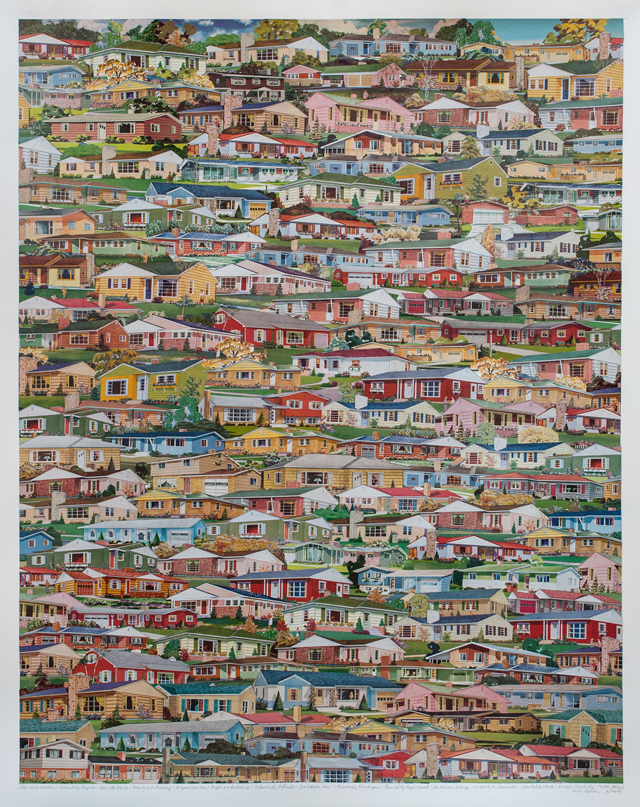
New and Modern; Distinctly Original; Styled with Dignity . . . . collage 32”x 40” 	2014

New and Modern; Distinctly Original; Styled with Dignity . . . .
collage
32”x 40”
2014

How has your work changed in the past five years? How is it the same?

My most recent project centered on the text to Henry David Thoreau’s journals. I’ve been working on the same set of ideas for most of my life, and Thoreau was a natural vehicle for them. I think a lot about how we (as a self-conscious species) manage to be both in nature and apart from it, and how we bridge those sensibilities. I also look a lot at the history of gardens, and at the ways that plant motifs migrate from careful observation to fully contrived abstraction – especially, lately, in textile design and wallpaper patterns throughout history. The home is comprised of artifice, all right angles and HVAC ductwork; the natural world is endlessly varied and riotously disorganized. I think the story of Eden is a powerful assertion of how much we need to reconcile the two. Much of my new work circles around those ideas.

Collage is naturally often intimate in scale. In the last few years I’ve been trying to figure out how to make effective large collages. The jury is still out on those big works.

How have people such as family, friends, writers, philosophers, other artists or even pop icons had an impact on the work you do?

Please don’t think of this as a cavalier answer – but where couldn’t I look for inspiration? The world is breathtakingly handsome, brilliant poems continue to be written, my youngest son grows more beautiful by the day and my wife more lovely, there is always new music to discover, my heart beats relentlessly, cellular respiration is a miracle. My ideas often come in the form of language – reading Rilke, or Jerome Groopman in The New Yorker, or Thoreau, or my own inarticulate attempts to tell myself what I’m feeling.

My recent works are inspired by the language Thoreau used when talking to himself. The journal is unpolished – it is clumsy and repetitive and disorganized – but it is nevertheless astonishing. It is the unmediated, often ecstatic witness to his embrace of the natural world. These works are inspired by the vital and fierce interest with which he approached something as simple as a walk in the woods on a snowy afternoon. The language is piercing and beautiful, and gave me so much to think about – and I think best in the studio.

Have you ever been pulled in the direction of a pursuit other than being an artist? What are your other interests? 

I was an English major once, for an afternoon. I submitted the paperwork to change, and then resubmitted it to change back, all after lunch one day.

If I was starting over, I might be a landscape architect – it would be nice to know what I was doing in the garden. And I’d like to study pre-Columbian textiles. (And I wish I could sing, but that would amount to wishing to be a different person.)

About

Renkl4Billy Renkl (b. 1963) grew up in Birmingham, AL. He attended Auburn University and the University of South Carolina, where he received an MFA in Drawing. He currently teaches drawing and illustration at Austin Peay State University in Clarksville, TN. Billy’s collage work often features fragments of old texts and diagrams, exploring the relationship that fine art has to information graphics, as well as the nostalgia inherent in paper ephemera.

Billy’s work has been featured in many solo and group exhibitions, including solo shows at The Cumberland Gallery in Nashville, Taylor Bercier Fine Arts in New Orleans, The University of Alabama, The Jule Collins Smith Museum at Auburn University, The University of Kentucky, The Tennessee Arts Commission, and the Galerie Neue Raume, Berlin, Germany.

Renkl5

billyrenkl.com

All images copyright of the artist and used with their permission.


Posted in Collage | Tagged , , , , | Leave a comment

Brian Higbee – Highland, New York

he Pleasure of Deceit    Acrylic Latex and Gouache on Canvas  36"x48"  2014

he Pleasure of Deceit Acrylic Latex and Gouache on Canvas 36″x48″ 2014

Briefly describe the work you do. 

I’m interested in the creation and development of ideological organizations that act as conceptual contexts for projects and large bodies of work. For the past 3 years I’ve been working on a project called Minimalism Elite which uses the aesthetics of early minimalism.

Tell us about your background and how that has had an influence on your work and on you as an artist.

I grew up in the Pocono’s, a confusing sprawl of suburban developments, bigoted redneck’s, Appalachian hikers, abandoned resort communities and jazz. When I was a teenager I had a job on the weekends selling cheap factory-line landscape paintings to vacationing honeymooner’s at one of the largest resorts, Mount Airy Lodge. My boss, sporting a blue pastel suit, gold rings and a slicked back pompadour would set up a small amp and microphone and, with a thick New York accent, sell artworks like a barker at the circus. I learned that most of the art buying public is only interested in decorating their walls.

The concept of the artist studio has a broad range of meanings in contemporary practice. Artists may spend much of their time in the actual studio, or they may spend very little time in it. Tell us about your individual studio practice and how it differs from or is the same as traditional notions of “being in the studio.”

I generally do most of my conceptual planning outside of the studio, usually while driving on long country roads or standing in the shower. The initial idea occurs quickly and then I spend a short period of time narrowing down the material parameters and refining the ideas before working out any technical details. At this point I only need a workshop and a place to build or paint. This could be on my back porch or on my dining room table. I have a studio but I use it mainly for storage.

A Theory of Forms and Ideas Small Scale Sculpture #21 Wood and Enamel Paint 3"x4"x4"     2014

A Theory of Forms and Ideas Small Scale Sculpture #21 Wood and Enamel Paint
3″x4″x4″ 2014

What roles do you find yourself playing that you may not have envisioned yourself in when you first started making art?

Being a salesman. I always said that I didn’t want to hawk goods for a living, especially not my own.

When do you find is the best time to make art? Do you set aside a specific time everyday or do you have to work whenever time allows?

I don’t make art consistently and often take off long periods of time to not make art. When I do make art it’s usually in the morning while I’m drinking my coffee or in the evening while I’m drinking my martini.

How has your work changed in the past five years? How is it the same?

I’ve moved away from making political work and into using a more formalist language. I still approach my work in the same way and employ the same aesthetics but I’ve shifted my concerns slightly. I don’t believe that art should be limited by linear timelines so I’ll most likely return back to making political work at some point.

Elevator Pitch  Acrylic and Enamel on Wood  .25"x4"x4"  2014

Elevator Pitch Acrylic and Enamel on Wood .25″x4″x4″ 2014

How have people such as family, friends, writers, philosophers, other artists or even pop icons had an impact on the work you do?

My grandfather was a painter and as a child I used to accompany him at local art fairs. I never saw him sell a painting and he died with over 700 paintings unsold in his house. This made me realize that being an unsuccessful artist means making and accumulating a lot of objects that have nowhere to go. With that being said, Mike Kelley and Thomas Eakins were the only artists that I really respected.

Have you ever been pulled in the direction of a pursuit other than being an artist? What are your other interests?

No, I’ve always wanted to be an artist. I often fantasize about being a writer or a filmmaker but I don’t have either the time or the patience to pursue another artistic career.  

About

Brian portrait 3 copyBrian Higbee was born and raised in the mountains of Pennsylvania. He is the founder of the Associated Artists for Propaganda Research, Minimalism Elite, Future Living Projects and The Lost Estate of Ed “Johnson” Shepard. He has exhibited at Hallwalls Contemporary Arts Center, PS 122, Rotunda Gallery, Here Art, ABC No Rio and the Islip Art Museum. He is also the recipient of 2 grants from the Puffin Foundation. He holds a BFA from Indiana University of Pennsylvania and received his MFA from CW Post/Long Island University in 2000. He lives and works in Highland, NY.

Sudio Shot

brianhigbee.net

All images copyright of the artist and used with their permission.
 

Posted in Conceptual Art, Sculpture | Tagged , , , | Leave a comment

Simone Schiffmacher – San Antonio, Texas

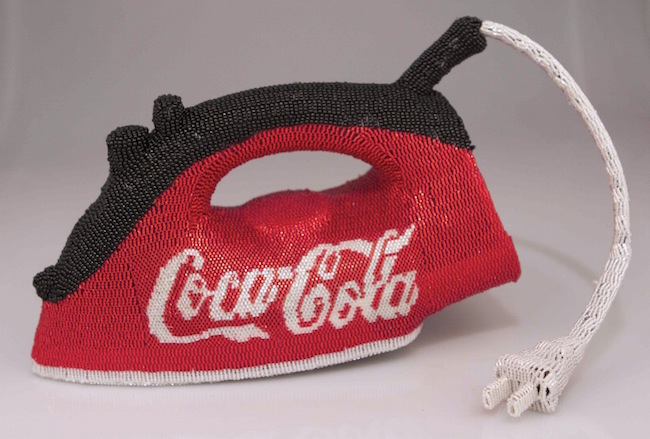
Beads, Thread, and Coca-Cola Logo, 6" x11"x7", 2012

Beads, Thread, and Coca-Cola Logo, 6″ x11″x7″, 2012

Briefly describe the work you do. 

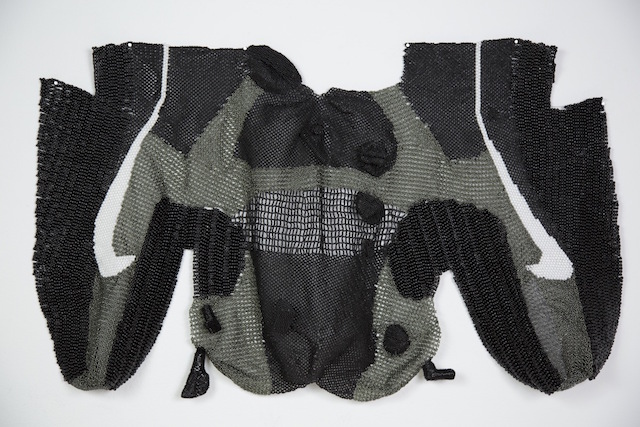
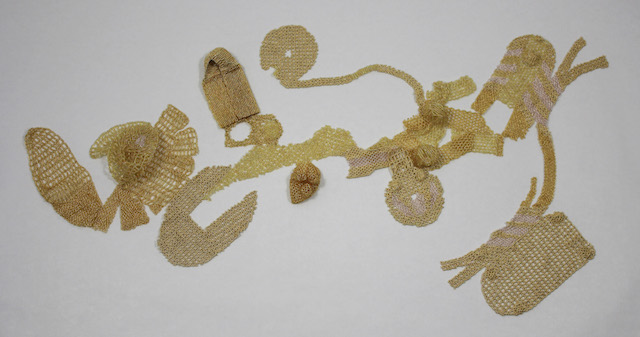
Beaded sheets are constructed meticulously through the interlocking of beaded loops. These complex structures mimic the identities they incase through logo placement, by showing how much work has gone into the building of corporate identity. Looking at these sheets of beads, be it over an object or detached from it, the sheet will always make you think about the corporations logo that is placed on it. These thoughts will alter your perception of the object and lead you to certain conclusion, which branches off of the corporations identity.   

Tell us about your background and how that has had an influence on your work and on you as an artist.

While I am a Jewish American Female, I have never felt overly attached to this identity. Feeling a lack of identity, has made me fascinated in ideas of mythology and the forming of identity. This is why I feel so attached to corporations and the identities they build for themselves. I have come to believe that my lack of identity is not just a personal feeling, but actually an American feeling and as Americans we buy from corporations to fill in our own identities. The idea of the corporate america has influenced my art since undergraduate school, making me see the value that we place on corporations not only as something that carries weight but also something that is very empty. The emptiness I see in corporate identity reemphasizes the emptiness I still feel from my own lack of identity. 

Beads, Thread, and Nike Logo, 17"x33"x3", 2013

Beads, Thread, and Nike Logo, 17″x33″x3″, 2013

The concept of the artist studio has a broad range of meanings in contemporary practice. Artists may spend much of their time in the actual studio, or they may spend very little time in it. Tell us about your individual studio practice and how it differs from or is the same as traditional notions of “being in the studio.”

Being in school for the past six years, has blessed me with a space that would be defined as the traditional studio, a place that is designated only for my art practice. While I did spend numerous hours in my studio, unfortunately it was not always open when I wanted to work. Since I have had these complications with time frames, I have become very adaptable to many spaces. I have found my self working outside and inside, laying on my bed or sitting at my desk, even working on a bus or plane. I have found that my studio can be anywhere I focus my passion on my art. Currently I do not have a traditional studio, all I have is an apartment, which I use as the place I make my art.

What roles do you find yourself playing that you may not have envisioned yourself in when you first started making art?

I find my self promoting and submitting my work to shows I feel I fit into as well as contacting galleries to consider my work to represent. While I did discover this role about being an artist early in the game, I still find it a struggle to not only try to sell my work, but also sell me as an artist. Outside of being a promoter, I am also the funder of my artistic practice, working as an adjunct professor and a waitress. These jobs help me not only fund my materials but also help me submit my art to shows that might be juried and need a submission fee. Over all I see my self as the maker, the funder and the promoter of my own art practice. 

When do you find is the best time to make art? Do you set aside a specific time everyday or do you have to work whenever time allows?

Personally I like to work on my art during the day and into the night. I would say that I usually dedicate anywhere to an hour all the way up to an entire day. The amount of time I spend depends on if I have a set deadline to finish a piece or if I am working at one of my other two jobs.

Beads, Thread, and Adidas Logo, 30"x20"x2",2014

Beads, Thread, and Adidas Logo, 30″x20″x2″,2014

How has your work changed in the past five years? How is it the same?

While my work has always dealt with corporations, my ideas and understanding of these companies has evolved over the years changing the way my art illustrates these ideas. When I started working with corporate logos I knew that we placed value in these symbols, but at the time I did not fully understand or grasp these values and where they actually come from. After reading No Logo I understood that the buyer never put a value on these companies. The companies where the ones applying an identity to an inanimate formed company. These ideas made me question my original idea of placing a logo onto an object, thus giving the object the association of that logo. I now realized that these identities are unobtainable and do not carry any really weight. With the newer work I have been interested in ideas of inobtainablity and power of suggestion, having logos mislead ones assumptions and change the way one might read a piece.  

How have people such as family, friends, writers, philosophers, other artists or even pop icons had an impact on the work you do?

Commercials have alway impacted me, brain washing me to want a current toy as a kid, even changing the way I might see a company as being unhealthy. While commercials have fascinated me, the writings about these companies have impacted me more. They have made me rethink commercials as not only senders of messages, but have made me realize the complexity of the whole spectrum of commercials as a form of building an identity. This has helped me understand and evolve my work into what it has become today and what it might become tomorrow, pushing me further into my journey as an art maker.

Have you ever been pulled in the direction of a pursuit other than being an artist? What are your other interests? 

Outside of my art practice, I have pushed through getting a graduate degree not only to build up my work, but to help me with my second pleasure, teaching. While I am just at the begging of my teaching, it has forced me to get a second job, waitressing. Waitressing is in no way something I plan to pursue too far down the road. I hope to be able to obtain a full time position teaching, which will give me the time to work on both of my passions- teaching and art. 

About

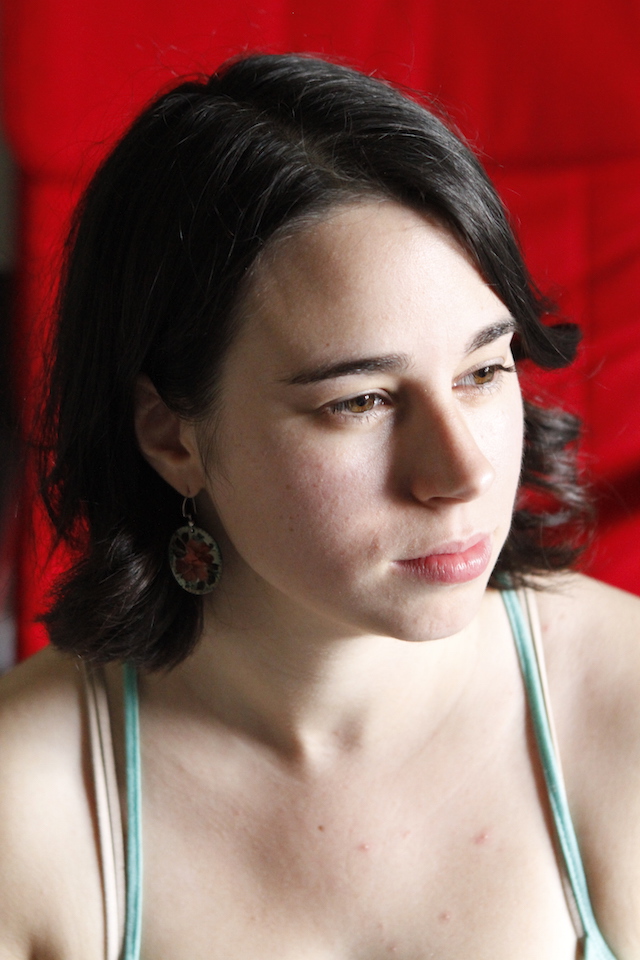
01_HeadshotSimone Schiffmacher has a MFA from Cranbrook Academy of Art in Fiber and has received a BFA at the Cleveland Institute of Art in Fiber and Material Studies. Simone has had her work displayed in group shows at the Cranbrook Museum of Art, Los Angeles Center for Digital Art, Art Space Gallery, the Detroit Artist Market, Delta College Gallery, Hatch Gallery,Canton Museum of Art, , and Reinberger Galleries. Her work has been mentioned in “Student Independent Exhibition at Cleveland Institute of Art surpasses last fall’s faculty show” as well as “CIA’s student show departs from conventionality.” She has had artist lectures at the Cleveland Museum of Art, Delta Community College and the Detroit Artist Market. Simone has been awarded; Cranbrook Academy of Art Scholarship Finalist, the 3th Hal and Cyndy Goodwin Award, Barbra L. Kulhman Foundation Scholarship, the 4th Hal and Cyndy Goodwin Award, the Wenda von Weise ’75 Memorial Scholarship, as well as Merit Scholarship.

09_How I plan my work

simoneschiffmacher.com

All images copyright of the artist and used with their permission.
 

Posted in Beadwork, Conceptual Art | Tagged , , , , | Leave a comment

Shahar Tuchner – Hertzliya, Israel

Shut Up!, Sculpture, 20x15x50 cm, 2014

Shut Up!, Sculpture, 20x15x50 cm, 2014

Briefly describe the work you do. 

My work incorporates various techniques: sculpture, painting, drawing, installation, video, ceramics and more. I deal with different issues that affect my choice of materials and techniques, such as consumerism, multiculturalism and representations of reality through the media. My video-art works attempt to examine the relations between image, movement and music and to give new meanings and interpretations to this connection. In my sculptures and installations I frequently use readymade materials as a means to explore the tension between the common nature of various everyday objects, and their potential to become part of a work of art.

My works can quite easily be defined as pop-art in their subjects, vibrant colors and collage-like essence, and correspond with the works of Marcel Duchamp, Andy Warhol, Jeff Koons, Gabriel Orozco and others. I try to keep my works light and humorist while still dealing with social issues, but with a twist.

Tell us about your background and how that has had an influence on your work and on you as an artist.

I was always artistic, even as a very young child. My high school years were a bit hard in this sense because we didn’t have art studies and I had to concentrate on passing my exams, so I had a long pause where I didn’t have time to practice art at all, and I think that’s why now I just make art all the time, practically, 24/7.

I was also always interested in cooking and was even accepted to a cooking school but that didn’t work out for me. I don’t cook professionally but my art often deals with food and many of my artistic associations are related to it as well.

Perhaps because of my ADHD I have difficulty watching long and slow video works, that don’t pick up the pace or develop quickly enough. That’s why I try to make my video arts as fast and succinct as possible, to refine them to what I feel is the essence of the specific work and of video art in general.  

Seeded Floor, floor installation, 380x500 cm, 2010

Seeded Floor, floor installation, 380×500 cm, 2010

The concept of the artist studio has a broad range of meanings in contemporary practice. Artists may spend much of their time in the actual studio, or they may spend very little time in it. Tell us about your individual studio practice and how it differs from or is the same as traditional notions of “being in the studio.”

Currently I don’t really have a studio, but I am scheduled to move into one in the next few months, which is a new and exciting experience for me. Until then, I am working from home. So, in a way, I spend almost all of my time in the studio and work on my art, either physically or conceptually, from the moment I get up, to when I go to bed. Since I am an interdisciplinary artist, working in various media and usually on very large pieces, my studio practice must be dynamic and able to change according to the specific piece I am working on. This essentially means that the tools, the materials and the space that I use to create my works must be able to constantly move and transform. I plan to continue this kind of practice in my new studio as well, so it will allow for an artistic space that does not limit the types of works and projects I take upon myself, that may demand variating studio conditions.

I also believe that an artist should usually be totally devoted to creation – to work from morning until they drop or can no longer focus. That is why I feel it’s important that the studio be pleasant and even suitable for occasionally spending the night, so the artist can spend as much time as needed within the artistic “zone”.

What roles do you find yourself playing that you may not have envisioned yourself in when you first started making art?

When I started making art I thought of it as a pure practice and didn’t consider all the additional non-artistic work I would have to do as well. In a way, I am also my own secretary: I often make phone calls, arrange meetings and write proposals for funding my longer and more complex projects, in order to be able to see them through. I am also my own agent and advertising company.

When do you find is the best time to make art? Do you set aside a specific time everyday or do you have to work whenever time allows?

I used to think that one should only work when the muse is upon them, but, as I got older, I became less romantic and realized that it is not always possible to wait for the muse, and I must sometimes “force” myself to work – either because of deadlines or just busy periods that leave less time for studio practice. I believe that sometimes the best works are made even without a muse, when I don’t necessarily feel it is the best time to work, but I just do it because I should. I don’t have a specific time of day that I dedicate to art, but I try to work as much as I can while keeping in touch with my gut feelings, and inner voice.

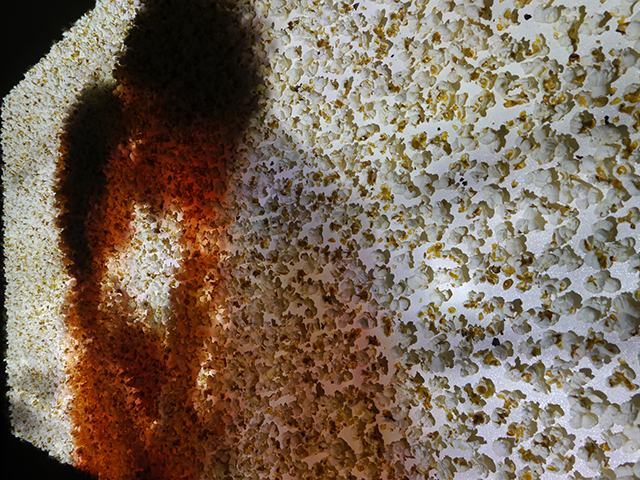
Kiss Me Popcorn!, video installation, 160x90 cm, 2014

Kiss Me Popcorn!, video installation, 160×90 cm, 2014

How has your work changed in the past five years? How is it the same?

I think that I can divide the past five years of my artistic work into two major stages: in the first 2-3 years I was mach more focused on the work itself and less on promotion, while in the last two years I work very hard on promoting my art and putting it out there, both in Israel and abroad. Also, right now I work much more often on series of works or large and complex projects, while in the past I created individual works that existed in their own right. This also means that I spend more time conceptualizing the works that are more complex and attempting to secure funding and support for their realization. Despite these elements, I don’t feel that my work has changed profoundly, but I do spend longer periods contemplating my art, either planning its practical implications or pondering the theory behind it, trying to figure out how to remain innovative at a time when the world seems to have seen everything.

How have people such as family, friends, writers, philosophers, other artists or even pop icons had an impact on the work you do?

My family always has a great influence on me and my work, either directly, since I constantly consult them about my art, or indirectly – I find inspiration in little moments between us and in experiences we have together and apart and I believe that it all sinks in and slowly forms ideas and concepts, even if only subconsciously. I also find inspiration in the family business – my parents own a toy shop that also sells magazines and stationary, and it is always very vibrant, full of people and colorful pop items, so it’s a good place for me to explore current trends and the ways I can incorporate them into my work. I am influenced by people close to me but also by artists, philosophers, writers, and anyone that I encounter that has a fresh perspective on things. I try to keep an open mind and to develop a dialogue that may be artistic and even somewhat existentialistic.

Have you ever been pulled in the direction of a pursuit other than being an artist? What are your other interests? 

Like I mentioned before, I once wanted to be a chef. At one time, I was also a professional athlete and competed in light athletics and short distance running events. In general I like sports, especially soccer and basketball, so I did see myself pursuing an athletic career of some kind. I’m also a very big film and TV buff.

About

headshot _Shahar Tuchner

Shahar Tuchner, born 1987, is an interdisciplinary artist living and working in Israel. Tuchner is a graduate of the Open Program at Hamidrasha School of art at Beit Berl College (2010).

His works have been shown in many group exhibitions at leading galleries and art spaces in Israel and around the world, including: Carnegie Museum of Art in Pittsburg, Rochester Contemporary Art Center (USA), 5th Base Gallery in London, The Wilson – Cheltenham Art Gallery and Museum (UK), the Umm el-Fahem Art Gallery, the Center for Contemporary Art (CCA), Contemporary by Golconda Gallery and Tavi Gallery in Tel Aviv (Israel) and more.

Making art_Shahar Tuchner

shahartuchner.com

All images copyright of the artist and used with their permission.
 

Posted in Interdisciplinary, Video | Tagged , , , , | Leave a comment

Vdrey feat Schultz – Nice, France

schultz n v 1Briefly describe the work you do. 

Our work is a mix of a lot of things and influence.

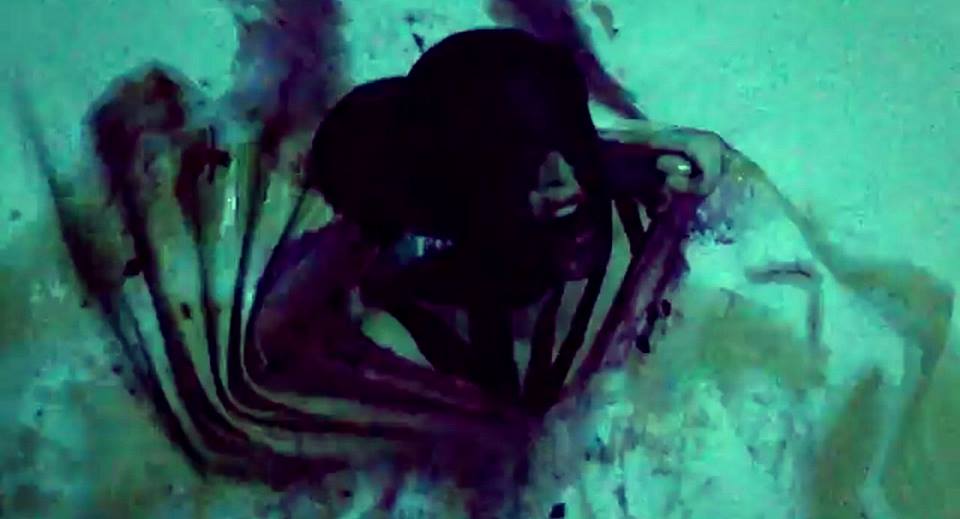
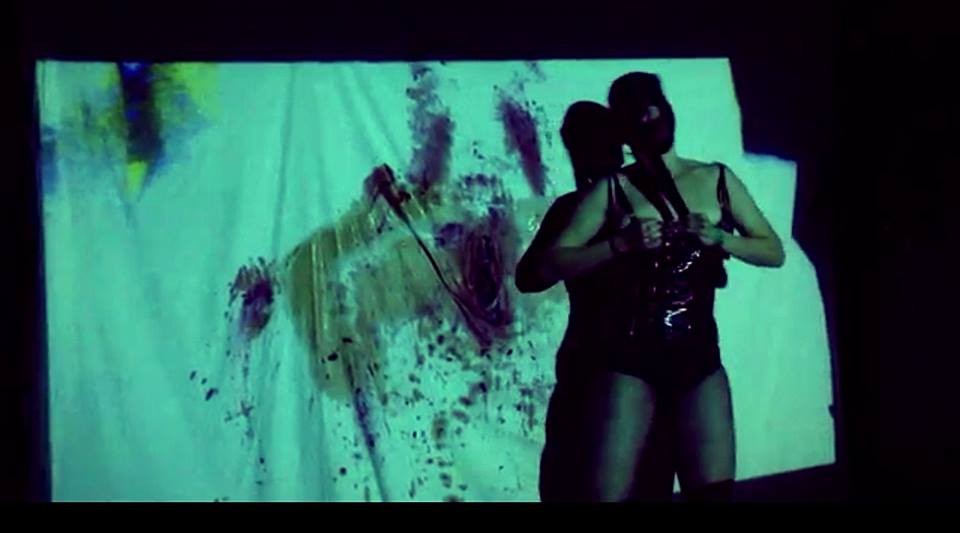
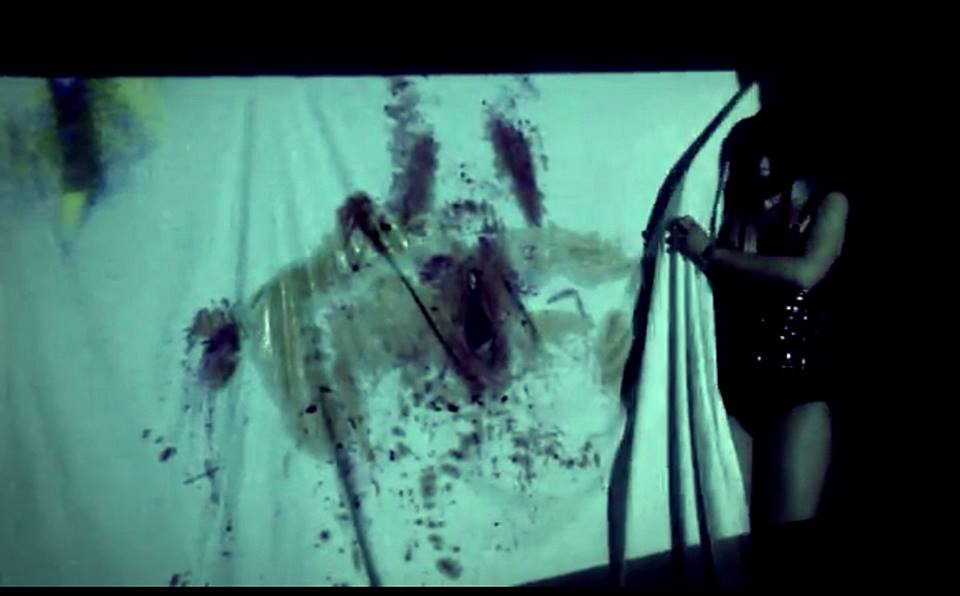
We use lots of technics like live painting, light painting, video and industrial live music.

Each performance, we propose are different every time cause we adapt it at the environment and our mind each time.

Tell us about your background and how that has had an influence on your work and on you as an artist.

We are two artists with a very different background.

V have studied art in school and is born in a family artist.

She uses school learned technics but also self learn technic’s.

For Schultz, he has learned music alone after playing in several kinds of music project.

schultznv

The concept of the artist studio has a broad range of meanings in contemporary practice. Artists may spend much of their time in the actual studio, or they may spend very little time in it. Tell us about your individual studio practice and how it differs from or is the same as traditional notions of “being in the studio.”

The main base of our work is improvisation.

We don’t spend lots of time in the studio, and to be honest, we don’t use traditional studio.

We make some try, thinks about the main idea of the performance and improvise around it.

What roles do you find yourself playing that you may not have envisioned yourself in when you first started making art?

For V, she doesn’t think at the beginning to be a performance artist.

She starts to work in a traditional way, with organic things and now works with new technology.

For Schultz, the idea was to propose some things totally different than a traditional concert.

The great opportunity to work with V was a real chance to do something different and original.

When do you find is the best time to make art? Do you set aside a specific time everyday or do you have to work whenever time allows?

We haven’t got special time to make art.

Every time, every thing can inspire art.

schultz n v 2How has your work changed in the past five years? How is it the same?

Like we travel a lot for our art, our vision have changed and evolute.

We have tried and use new things inspired by this travel, life and also cause we have grown in our art practice.

How have people such as family, friends, writers, philosophers, other artists or even pop icons had an impact on the work you do?

We think we can’t speak about impact from other people.

We make art like we thinks, like we feel, without real influence.

Have you ever been pulled in the direction of a pursuit other than being an artist? What are your other interests? 

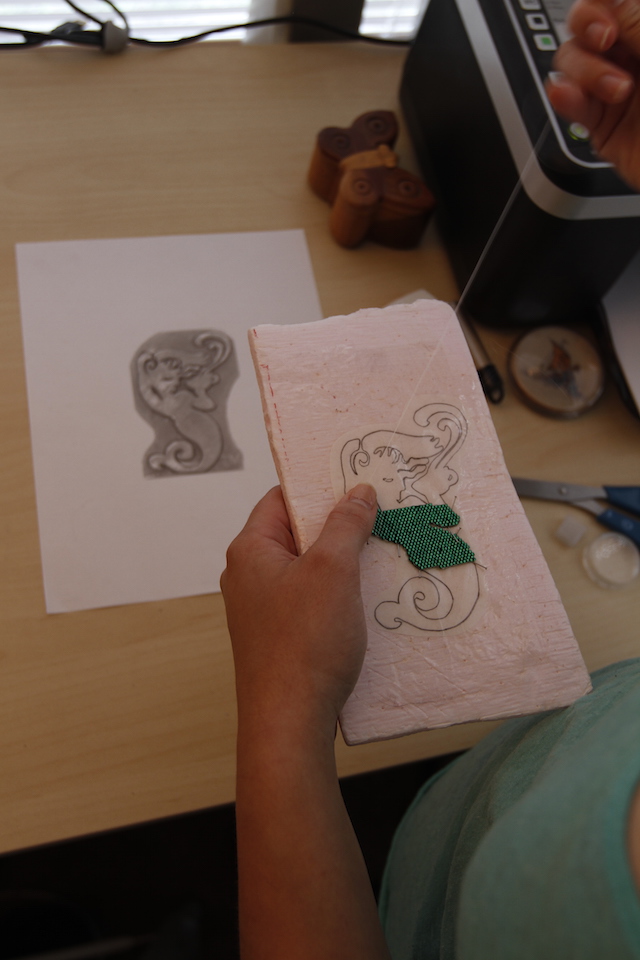
For V, the kitchen will be a good thing cause she’s an epicurean.

For Schultz, when I am not making music, I am working in the music universe.

So I think I haven’t chosen, music have chosen me.

vdrey.canalblog.com

soundcloud.com/electroschultz

All images copyright of the artist and used with their permission.

Posted in Performance | Tagged , , , , | Leave a comment

Eleni Phyla – Athens, Greece

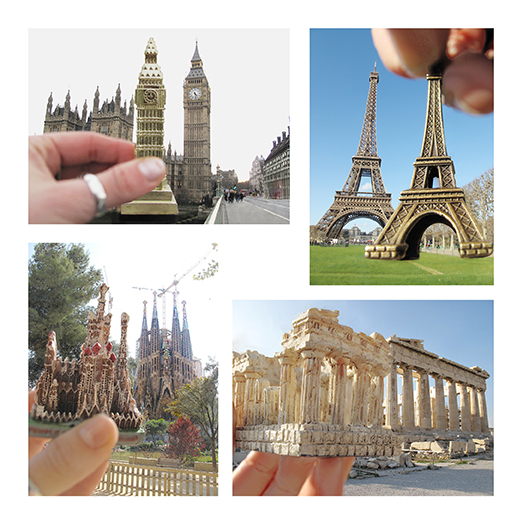
x2, photo print on paper, 10 x 15 cm each, 2011-2013

x2, photo print on paper, 10 x 15 cm each, 2011-2013

Briefly describe the work you do.

My artistic practice is, in general, focussed on ideas or concepts. My principle is to liberally use any medium or media that will help me convey each idea.

I try to keep the concept simple so that anyone can understand it and to eventually give to the project a dimension than has a capacity for further interpretations. Usually, there is an innate use of humour that can eventually be read backwards on a more existential scale. Many times my work develops in correspondence with the exhibition’s environment, be it in a gallery or a public space.

Tell us about your background and how that has had an influence on your work and on you as an artist.

I come from Cyprus, a small island in the Mediterranean sea with a controversial political background. However, I left Cyprus after my basic education.

These facts are unavoidably part of me. Moreover, having left the island for so long, can be translated both as freedom and as a boundary.

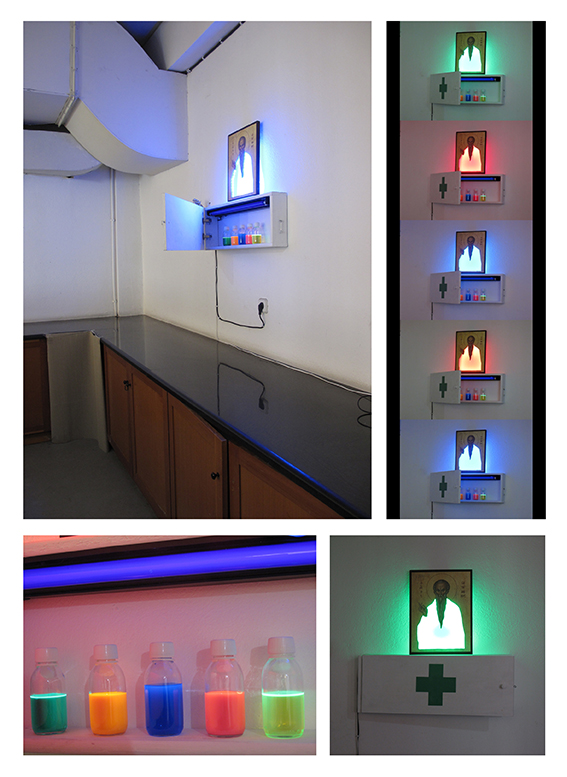
In what colour should I believe in, Saint on wood, wood cabinet, RGB Led, UV black light, phosphorescent liquid, 80 x 60 x 12 cm, 2014

In what colour should I believe in, Saint on wood, wood cabinet, RGB Led, UV black light, phosphorescent liquid, 80 x 60 x 12 cm, 2014

The concept of the artist studio has a broad range of meanings in contemporary practice. Artists may spend much of their time in the actual studio, or they may spend very little time in it. Tell us about your individual studio practice and how it differs from or is the same as traditional notions of “being in the studio.”

The studio acts both as a place of production and as my asylum.Usually, my imagination is stimulated when I am outside of my ‘headquarters’, when an already established perception or feeling is moved by the outside world.
Then, this ‘movement’ could be translated into an idea/project in the studio, at unexpected intervals.

What roles do you find yourself playing that you may not have envisioned yourself in when you first started making art?

At the beginning it was pencil and paper, colour and canvas, clay and plaster.

Now, I find my self sticking wires to hijack circuits, cutting wood with a jigsaw, editing movies on Premier, preparing soap solutions, building web pages, blowing balloons, writing poems, collecting feathers and hair, drilling holes, cooking art biscuits, extracting sounds, taking photos – as long as it is a good idea!I sometimes think I know how to do everything (and nothing…)

When do you find is the best time to make art? Do you set aside a specific time everyday or do you have to work whenever time allows?

I use my studio daily, not always to produce art, just to exist.It is very difficult to stay faithful to the decision of art production, especially in an art market that is fluctuating between existing and not.

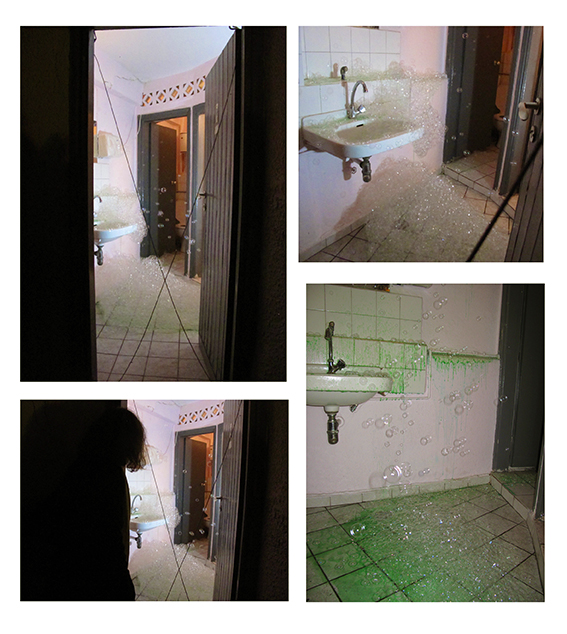
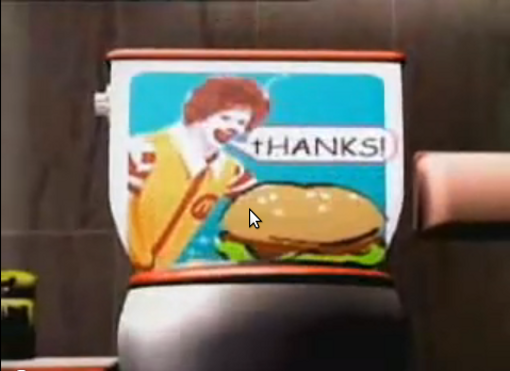
Bubbles, installation in toilets, bubble machine, bubble green solution, light source, wire rope, motion sensor, dimensions variable, 2015

Bubbles, installation in toilets, bubble machine, bubble green solution, light source, wire rope, motion sensor, dimensions variable, 2015

How has your work changed in the past five years? How is it the same?

The time I spent in Paris as an Erasmus student was significant for my artistic practise as my work shifted more towards conceptualism.

How have people such as family, friends, writers, philosophers, other artists or even pop icons had an impact on the work you do?

Pop culture has influence on my work. I like to observe people’s behaviours and beliefs and to ‘investigate’ how these tendencies are generated. To an extent, (human) nature and existence (vs time) are topics that often occupy my mind.

Have you ever been pulled in the direction of a pursuit other than being an artist? What are your other interests?

As an artist I have a lot of ideas/imagination. I have to confess that some days I wake up and I want to be a chef/film maker/life guard/bartender/swimming athlete/philosopher/ spiritual leader/psychologist/captain/air hostess/writer/farmer, etc.Then, I realize that everyone can be an artist – those that eventually do become artists, are those whose spirit couldn’t rest in something else.

About

phylaPhyla is a Cypriot artist, currently based in Athens, Greece.Her work, of conceptual orientation, can take different forms, from materialisation to new media. Her artistic capacity to interpret situations under, at first glance, simplistic yet poetic / humorous spectrum, has at times pushed the boundaries of what is and what is not considered to be art.She studied Fine Arts, at Thessaloniki School of Fine and Applied Arts, the Athens School of Fine Arts and the École National Supèrieure des Beaux Arts of Paris.

studio2

She has participated in various exhibitions and workshops, in places such as Austria, Cyprus, France and Greece.

eleniphyla.wordpress.com

All images copyright of the artist and used with their permission.


Posted in Conceptual Art | Tagged , , , , | Leave a comment

Patrick Lichty – Chicago, Illinois

Random Internet Cat #5, Predator vs  predator – Ink on paper, 18”x24”, 2014

Random Internet Cat #5, Predator vs predator – Ink on paper, 18”x24”, 2014

Briefly describe the work you do. 

I look at how we shape reality through mediation. This can be as simple as looking at how the process of perception translates the world into an artwork to how I create surreal 3D animation video situations with The Yes Men, Second Front, and the Haymarket Riot Collective. Basically, this means that I work in whatever medium that’s appropriate (like Duchamp), but my modus operandi is pretty consistent.

Tell us about your background and how that has had an influence on your work and on you as an artist.

Wow. That’s interesting, as I’m largely self-taught and went to art school AFTER being in half the major biennials. My mom was an artist and intellectual, and she raised me in front of a loom, making glass, painting, or watching Star Trek. I didn’t know whether I wanted to be an artist or in movie special effects, but when my folks got me my first personal computer, they pressured me to be an engineer. I did that for a few years, fell in love with my first wife, and went to work in the Glass Department in the Neon Shop at Kent State for peanuts. After that, I did a lot of design, learned the art ropes on my own, and started getting press in New Media. However, when I thought about ‘going academic’, I went to grad school for Virtual Reality, Physical Computing, and Fabrication.

Still from Reburger intervention (from the movie, The Yes Men), Video, dimensions vary, 2003

Still from Reburger intervention (from the movie, The Yes Men), Video, dimensions vary, 2003

The concept of the artist studio has a broad range of meanings in contemporary practice. Artists may spend much of their time in the actual studio, or they may spend very little time in it. Tell us about your individual studio practice and how it differs from or is the same as traditional notions of “being in the studio.”

I never had a separate studio until 2013 when UW Milwaukee gave me one, and it took me a year to get out of my apartment as workspace and start using my studio. A lot of this had to do with my largely being a media artist until grad school because I had to worry about space. Then I got a large format printer and fabricated huge tapestries as well as using robots to make 10’x20’ paintings, which caused me to need some space to just see the work.

What roles do you find yourself playing that you may not have envisioned yourself in when you first started making art?

Curator, theorist (see later, I saw that one coming), performance artist, and using my engineering in my art when using microcontrollers/physical computing. The mentorship thing is strange, because although I have a good record, I’m far from driving the Lexus.

When do you find is the best time to make art? Do you set aside a specific time everyday or do you have to work whenever time allows?

There are two times when I make art; one more exciting than the other. The uninspired time is, you know, like 10 AM to 6 PM – very corporate, set up the list, get through your priorities, that sort of thing. The other is when my prefrontal cortex is on fire and I have to do something or else I’m going to go on about it until I do it.

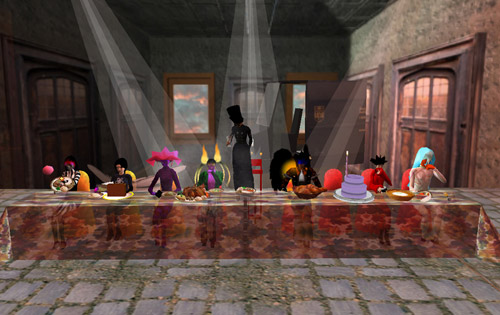
Second Front’s Second Supper, Image from Second Life, print – 48”x96”, 2007

Second Front’s Second Supper, Image from Second Life, print – 48”x96”, 2007

How has your work changed in the past five years? How is it the same?

I think my work has gotten more about drawing on my previous work or things that interest me than trying to be hip. I was having dinner with Mendi and Keith Obadike one night and we agreed that it’s good to be part of the ‘conversation’, especially when you’re young, but there’s a point where fashion is a series of blips on the radar and you just have to do your thing. 

Formally, I’ve gotten far more interested in fabrication as a way to streamline my thought-to-project time. That’s why there’s a gutted CNC machine on my bed right now. I’m really interested in things that incorporate material and media at the same time, like Augmented Reality.

How have people such as family, friends, writers, philosophers, other artists or even pop icons had an impact on the work you do?

Well, my mother was an artist – enough said. My father and first wife were always asking when I was getting a real job until I gave Dad my invite to the Whitney Biennial when RTMark was there. But on the other hand, my ex and my best friend/first collaborator Jonathon Epstein (Haymarket Riot Collective) drove me to excellence and to actually be rigorous about my practice. Theory informs my work to the point where I consider myself a theorist who does art, except I would like to think my art is better than Baudrillard’s photography. One last one is when I became friends with many of the people in the existing parts of the NYC Fluxus community – Bibbe Hansen (Al Hansen’s daughter) and I sit in Second Life and drop pianos a lot in honor of her dad.

Have you ever been pulled in the direction of a pursuit other than being an artist? What are your other interests? 

Sure. I started as an Electronic Engineer, but went into art when I found out Kandinsky left Law at 30. In the art genre, I curate and write a lot, as well as collect antique media equipment. Otherwise, I love to make music, I obsess about cats, dabble in foreign languages, learn everything I can wherever I can, and I bike a lot.

About

Portrait2Patrick is a media “reality” artist, curator, and theorist of over two decades who explores how media and mediation affect our perception of reality. He is best known for his work as an Artistic Director of the virtual reality performance art group Second Front, and the animator of the activist group, The Yes Men. He is a CalArts/Herb Alpert Fellow and Whitney Biennial exhibitor as part of the collective RTMark. He has presented and exhibited internationally at numerous biennials and triennials (Yokohama, Venice, Performa, Maribor, Turin, Sundance), and conferences (ISEA, SIGGRAPH, Popular Culture Association, SLSA, SxSW). He is also Editor-in-Chief of Intelligent Agent Magazine, and a writer for the RealityAugmented blog. His recent book, “Variant Analyses: Interrogations of New Media Culture” was released by the Institute for Networked Culture, and is included in the Oxford Handbook of Virtuality.

patrick

voyd.com

All images copyright of the artist and used with their permission.


Posted in New Media | Tagged , , , , | Leave a comment

Izabel Leska – Katowice, Silesia, Poland

Zofia, relief prints, 20 x 20 cm each, 2015

Zofia, relief prints, 20 x 20 cm each, 2015

Briefly describe the work you do. 

In my artistic experience I combine mostly objects, graphics and texts. I see the narration as crucial and necessary attribute of our existence into which every element of the reality is clothed – from a nail to a city. Hence my works are equipped with a plot, often very personal one. I am inspired by stories, because I firmly believe in text. I run both some private shamanic practices and diversionary activities in the city. I deal with a magical dimension of our existence, the simultaneity of the world, André Breton’s objective chance and subtleties of the reality. A multitude of these themes abounds often with complex projects, responding to questions that bother me through various media which I often have to learn completely anew.

Tell us about your background and how that has had an influence on your work and on you as an artist.

Gabriel Garcia Marquez books must have had a huge impact on me. That’s why currently I find myself so familiar with the ideas that were firstly brought by the surrealists. I am amazed by the idea of magical realism as well as the conceptualism. I follow and highly respect those concepts.

Zofia, installation, relief prints, 40 x 55 cm each, 2015

Zofia, installation, relief prints, 40 x 55 cm each, 2015

The concept of the artist studio has a broad range of meanings in contemporary practice. Artists may spend much of their time in the actual studio, or they may spend very little time in it. Tell us about your individual studio practice and how it differs from or is the same as traditional notions of “being in the studio.”

At the moment I have a tiny studio in my apartment. Actually the studio is also a living room, a place for my bike and my laundry. It is next to my kitchen so I often cook and work at the same time. Nevertheless I am glad that I have that space of my own – even if it’s small and not completely separated from the rest of the house. I spend a lot of time on the computer because I like to precede my work with a vas research. Very often I go to a studio at my current work – the local Academy of Fine Arts (Katowice, Poland) – which is equipped with a press which is an essential element, I need it to make prints – I work in the field of graphic arts, mostly relief prints. In the first step when the main idea is still being under construction I can work everywhere I am – in a train or while jogging. I find the concept itself the most important so I do a lot of thinking, considering and consulting my idea. So I’m not always in a need of my studio.

What roles do you find yourself playing that you may not have envisioned yourself in when you first started making art?

To my own surprise just after graduation I started working at my alma mater. At the moment I am an assistant at the Academy of Fine Arts in Katowice so I work with students. In the beginning it was complicated to find myself in that role. I was surprised to find out that somebody actually listens to what you have to say and follows my instructions. I learn to follow my intuition and to be self confident as well. Sometimes you also held a representative and official roles – at the openings of exhibitions, during radio interviews or receiving guest from other schools. You need to know how present yourself well.

When do you find is the best time to make art? Do you set aside a specific time everyday or do you have to work whenever time allows?

I am quite pedantic so every week I follow a strict schedule. I have to divide my time between my job and my own private artistic practice so sometimes I have things to do planned for example a month in advance. This way of working arises from the technique I do – in graphic arts often you need to plan well while working with lots of layers for examples, prints need time. I have one day a week strictly for art and it’s usually Friday. On Mondays and Thursdays I try to find some time to send e-mails, my portfolio to the galleries or apply for grants and open calls. I appreciate every single spear moment.

Creations, objects made of nails, eyelashes and ceramic mass on glass shelves, 2.5 x 6 x 2.5 cm each, 2013

Creations, objects made of nails, eyelashes and ceramic mass on glass shelves, 2.5 x 6 x 2.5 cm each, 2013

How has your work changed in the past five years? How is it the same?

It has changed diametrically. Five years ago I was still a student and I wasn’t conscious of many aspects of art. Right now I follow a disciplined way of thinking about art and I need to explain to myself every detailed element of my work – why do I use this material? Why do I do it this, not that way? I rarely let myself follow a pure expression. I’ve learned how things need to have a finished look, they can’t be done improperly or carelessly. I am much more patient with my work.

How have people such as family, friends, writers, philosophers, other artists or even pop icons had an impact on the work you do?

In general, everyday life is what gives me an inspiration. I try to do artworks that have a lot in common with everyday life, because I do not like to divide them into two categories. My works are often based on a plot that sometimes derives from life itself.

Have you ever been pulled in the direction of a pursuit other than being an artist? What are your other interests? 

I think that my second biggest interests besides art is writing. I had always been reading a lot and I had been very much interested in the literature. I love writing my own texts but I guess that I am lucy that till now I can freely use that ability and employ texts in my art. works. I do that willingly, the text is an important substance for me, I am very receptive towards it. I admire the language, its complexity and poetry.

About

Izabela_Leska headshotBorn in 1989, she graduated from the Academy of Fine Arts in Katowice, Poland (diploma with honors in 2013). She studied as well at the École Supérieure d’Art de Clermont Metropole (Clermont-Ferrand, France). She has participated in many projects and exhibitions in the country and abroad (Passion For Freedom 2013, London / Usb Shuffle Show, Berlin). She creates graphics, objects and texts. She works at her home university as an assistant in the Department of Graphic Arts.

Izabela_Leska in her studio

izabelaleska.com

All images copyright of the artist and used with their permission.

Posted in Uncategorized | Leave a comment

Michael Baum – Spearfish, South Dakota

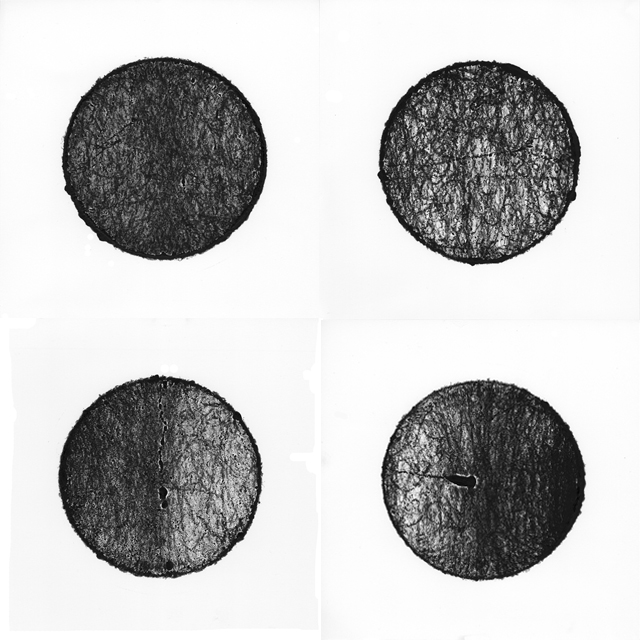
seismic_no_1Briefly describe the work you do. 

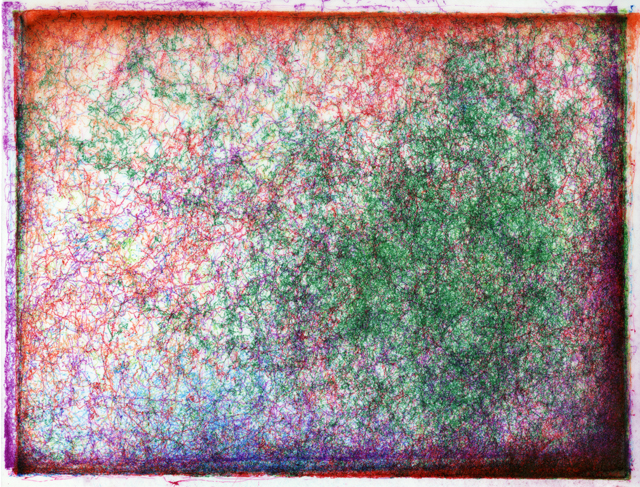
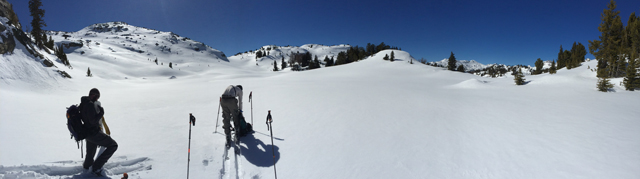
I make work with the aid of drawing devices that have been designed to record various outdoor pursuits, ranging from long distance cycling trips, to backcountry ski tours. The resulting work exists as a seismic series of drawings, which end up being an indexical record of my travels. The properties of this work engage the the human body as a vehicle for expression, mark making, movement and endurance, while exploring ways nature and the landscape can potentially influence me both visually and physically.

Tell us about your background and how that has had an influence on your work and on you as an artist.

I grew up in a rural community in the mid-west, the open space of the plains, in may ways this has contributed to my desire to explore. The desire to explore has had a huge impact on my thinking and my work. I feel that we are often a product of our environment, and that it shapes our understanding of who we are in the world. I can remember at a young age going on small excursions with my twin brother. We would pack provisions, then walk the train tracks for a mile into the country to a nearby creek, which we would wade through for hours catching crayfish. These small trips felt like epic adventures, we left our comfort zone and at that time walked into the open. Thirty years later, I still have the same desire.

Ahkio Drawings_1-4

The concept of the artist studio has a broad range of meanings in contemporary practice. Artists may spend much of their time in the actual studio, or they may spend very little time in it. Tell us about your individual studio practice and how it differs from or is the same as traditional notions of “being in the studio.”

Methods for automating drawing, particularly drawing from life, appeared simultaneously with the earliest accounts of constructing linear perspective. What does this long search for mechanical drawing tell us about our relationship with art and technology? My interests and artistic practice is positioned between this complex relationship of technology, the machine, in my case a very simple device, and nature. 

Over the course of the last few years I have become interested in using devices in the process of making drawings. In a time of digitalization of the work process, you can easily forget the freedom and fun of play. By creating new drawing tools, I give myself the opportunity to break free from standards in design. In addition, this provides me with the freedom of movement and access to the outdoors, leaving the confines of the traditional studio space behind.

Space is process, the drawings establish a direct link to the concern for human conduct and natures role in affecting that conduct. We can argued that the natural epistemology of human activities can be conditioned by nature. This work provides an objective lessons in the way that nature, and the artist, can shape our understanding of experience. The work confronts us with issues of time, space, geologic features, and relationships between the body, perception, and nature.

By leaving the traditional studio approach, I have gained a richer understanding of the places I have occupied, and a deeper understanding of my position within the landscape. The relationship between the body and the landscape becomes evident as the body responds to the transformation of the land.  As the land is observed, the aesthetic value of the landscape is reconstructed in the drawings, however esoteric that connection may at first appear. Given the long history of artists who have created work about nature and their environment, part of my artistic practice is simply to finding new ways to respond to nature today.

What roles do you find yourself playing that you may not have envisioned yourself in when you first started making art?

I feel that one of my primary goals is getting people to think about how a work of art can be made. How a drawing can be a byproduct of its environment. Drawing as a medium lends itself readily to the theoretical and the experimental. Drawing is a medium that offers an intimate and open field for imaginative elaboration, in which concepts and ideas can emerge and change with relative ease.

When do you find is the best time to make art? Do you set aside a specific time everyday or do you have to work whenever time allows?

I think about my work and artwork everyday, perform research, etc. The dynamics in which the work is constructed relies on performance, in some cases these performances last for days or hours, depending on the nature of the trip. My recent projects have involved a fare amount of logistical planning, preparation and physical training. Organizing equipment, milling over maps route planing, building and experimenting with the drawing devices all become a fundamental part of the practice. I like the process of preparation in my work, the idea of building towards an end goal. The idea of nearing a departure date for a big trip brings excitement.

Heart_Heart_1How has your work changed in the past five years? How is it the same?

I saw a considerable shift in my work, since completing my graduate studies at Washington State University five years ago. In addition to finishing my MFA, moving to Spearfish, South Dakota and accepting an adjunct teaching position played a major role. That physical shift to the Northern Black Hills allowed me greater access to cycling, mountain biking, skiing and the outdoors. I was devoting a lot of time and energy into cycling, my studio time waned. I wanted to figure out a way to merge the two activities into one practice. This is where my interest in drawing and passion for cycling and skiing merged.   

How have people such as family, friends, writers, philosophers, other artists or even pop icons had an impact on the work you do?

Others artists work have a large influence on my own ideas and approaches. I spend a lot of time looking at artists from all disciplines, particularly drawing. I would say recently, I gravitate toward those individuals expanding on non-traditional methods to create drawings. From the pendulum-based drawing machines byEske Rex to the art of Tim Knowles who attaches writing implements to trees. In addition, the work of Kip Jones, who brings the oldest of mark-making skills into the purview of technological control through the use of various mechanical devices. I have always admired the walking art forms of both Richard Long and Hamish Fulton. 

Maurice Merleau-Ponty who was a French phenomenological philosopher, strongly influenced by Edmund Husserl and Martin Heidegger has had a major impact on my thinking. The constitution of meaning in human experience was his main interest and he wrote on perception, art, and politics. Merleau-Ponty emphasized the importance of recognizing bodies as the entity through which we experience the world and emerge as individual subjects.

The profound reflections of British anthropologist and writer Tim Ingold, on what it means to create things. According to Tim Ingold, author of The Perception of the Environment, “meaning is gather up from the environment in which the body is immersed, and there recursively regenerated. This sensing body makes meaning directly through its performance in the environment rather than waiting for direction.” Anthropology, philosophy, art and architecture are ways of thinking and creating, and all are dedicated to exploring the conditions and potentials of human life.

Have you ever been pulled in the direction of a pursuit other than being an artist? What are your other interests? 

I at times feel as though I live parallel lives, which teeter back and forth between; artist, educator and outdoor adventurer. Prior to graduate school, I worked as a climbing guide and US park ranger. During these years, I traveled extensively throughout the inter-mountain west from the Rocky’s to the Alaskan Range, in and around Denali National Park. I was very fortunate to work and train in this environment. These are what many people consider dream jobs. I was formally trained in high angle rope rescue while working for the National Park Service. I would spend a week or more training with other park rangers in locations such as Zion National Park and Canyon Lands in Utah. It was a great experience as a climber and artist. Wearing the grey and green was a privilege and honor that I always will remember and hold at a high regard. 

I’m interested and spending more time on extended back county trips, either trekking, bike packing or ski mountaineering. Recently, I have been looking over maps of the greater Yellowstone region, devising a route from the northern entrance into Jackson Hole, Wy. 

About 

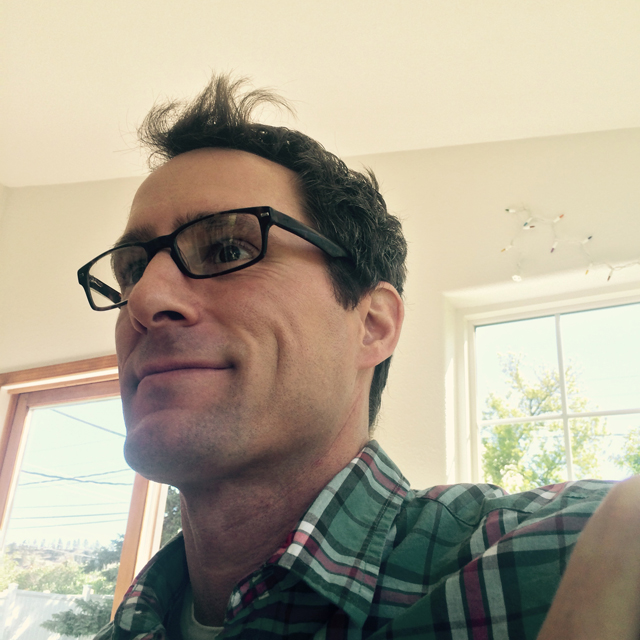
HeadshotMichael Baum left the plains of the Dakotas in his early twenties for the mountain ranges of California, Wyoming, Montana, Washington and Alaska. His interactions with nature and the wilderness became the impetus for his graduate studies in fine art, which he completed at Washington State University, with an emphasis in painting and printmaking. Michael is currently an Adjunct Professor of Art at Black Hills State University, South Dakota.

Since 2008, he has been featured in various exhibitions both internationally and across the United States. Most recently, in 2014 Michael has become the recipient of a career development grant from the South Dakota Arts Council. His current drawings have been featured in INDA 9, Manifest’s Drawing Center, International DRAWING Annual and included in Drawing Discourse: International Exhibition of Contemporary Drawing at The Tucker Cooke Gallery, UNC Asheville. His work was also selected for the South Dakota Governor’s 6th Biennial Art Exhibition in 2014.

In addition, Michael has been included in exhibits at the Missoula Art Museum in Montana, Fictilis in Seattle, Washington, the Mighty Tieton in Tieton, Washington and the South Dakota State Museum of Art in Brookings. His work has also been accepted into multiple public collections, which include the Primo Piano Living Gallery, Lecce, Italy, the Jordan Schnitzer Museum of Art in Oregon, the Museum of Art/WSU in Washington, the Boise Art Museum, Idaho as well as, the Missoula Art Museum.

Studio_1

michaelbaumstudio.com

All images copyright of the artist and used with their permission.


Posted in Drawing, Environmental Art, Performance | Tagged , , , , | Leave a comment