Allyce Wood – Seattle, Washington

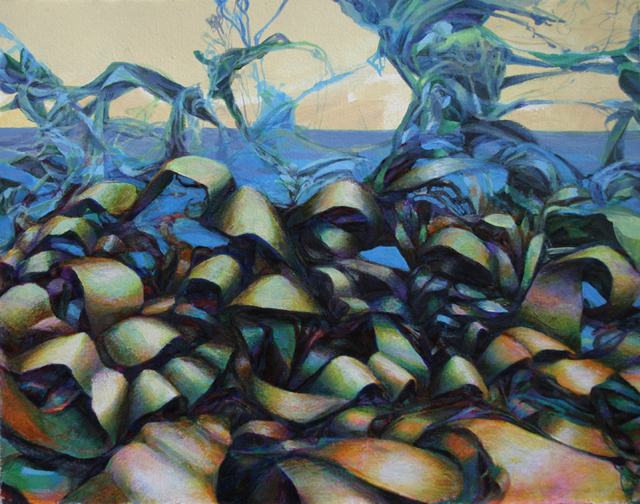
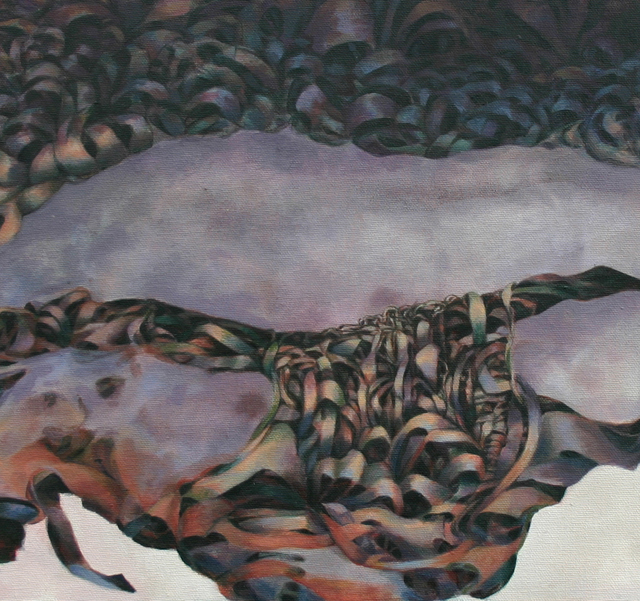
Loose Weave

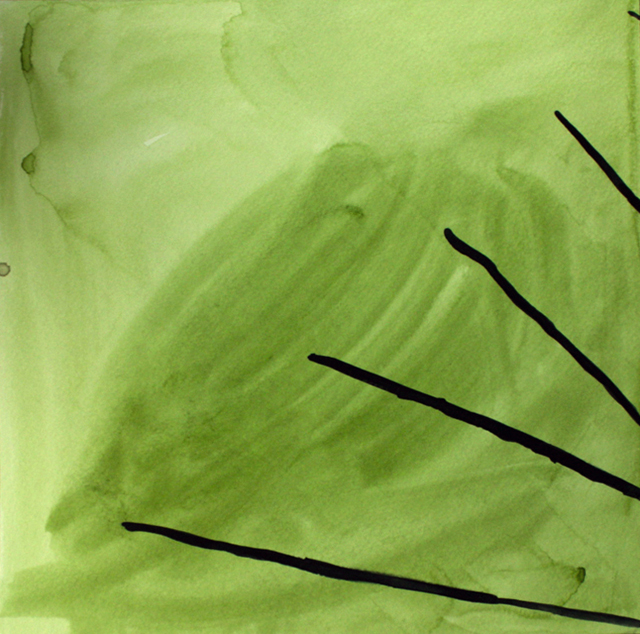
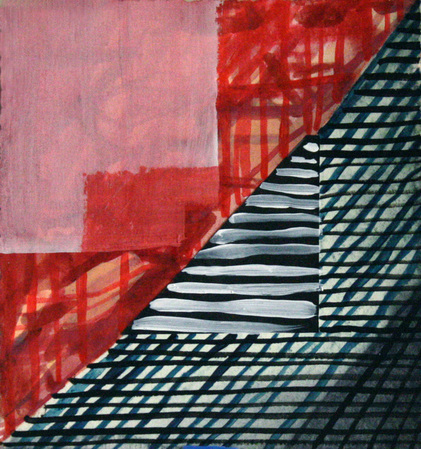
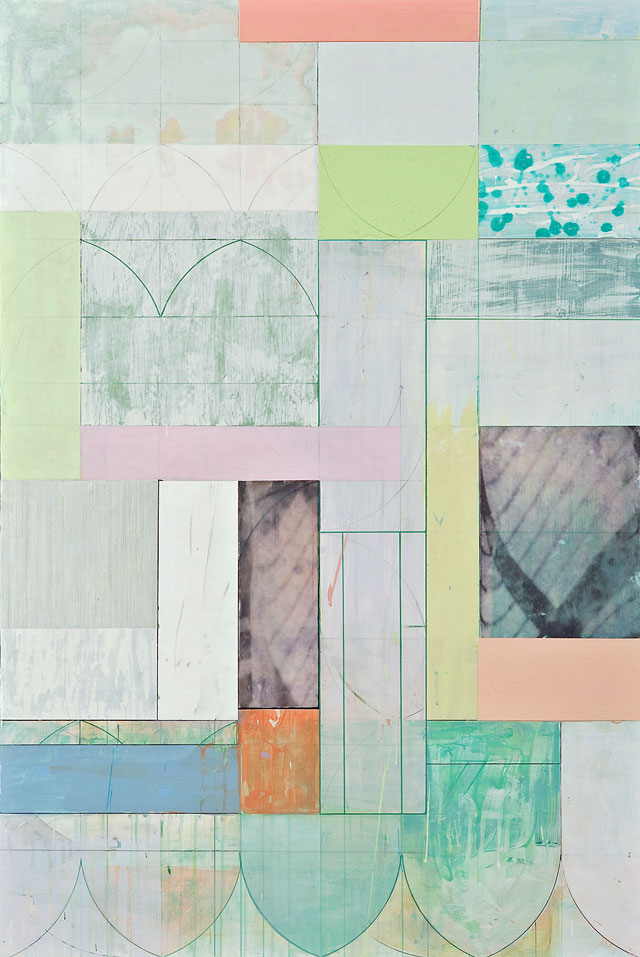
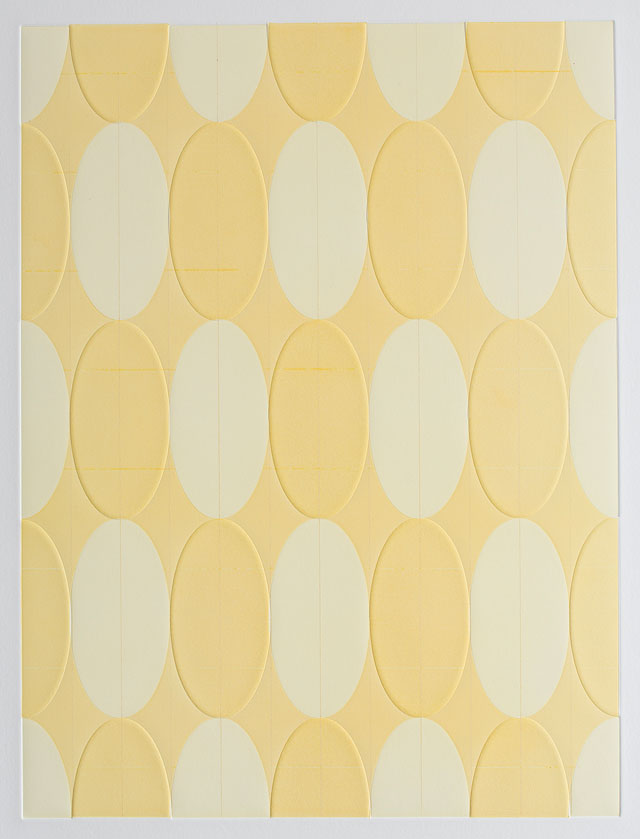
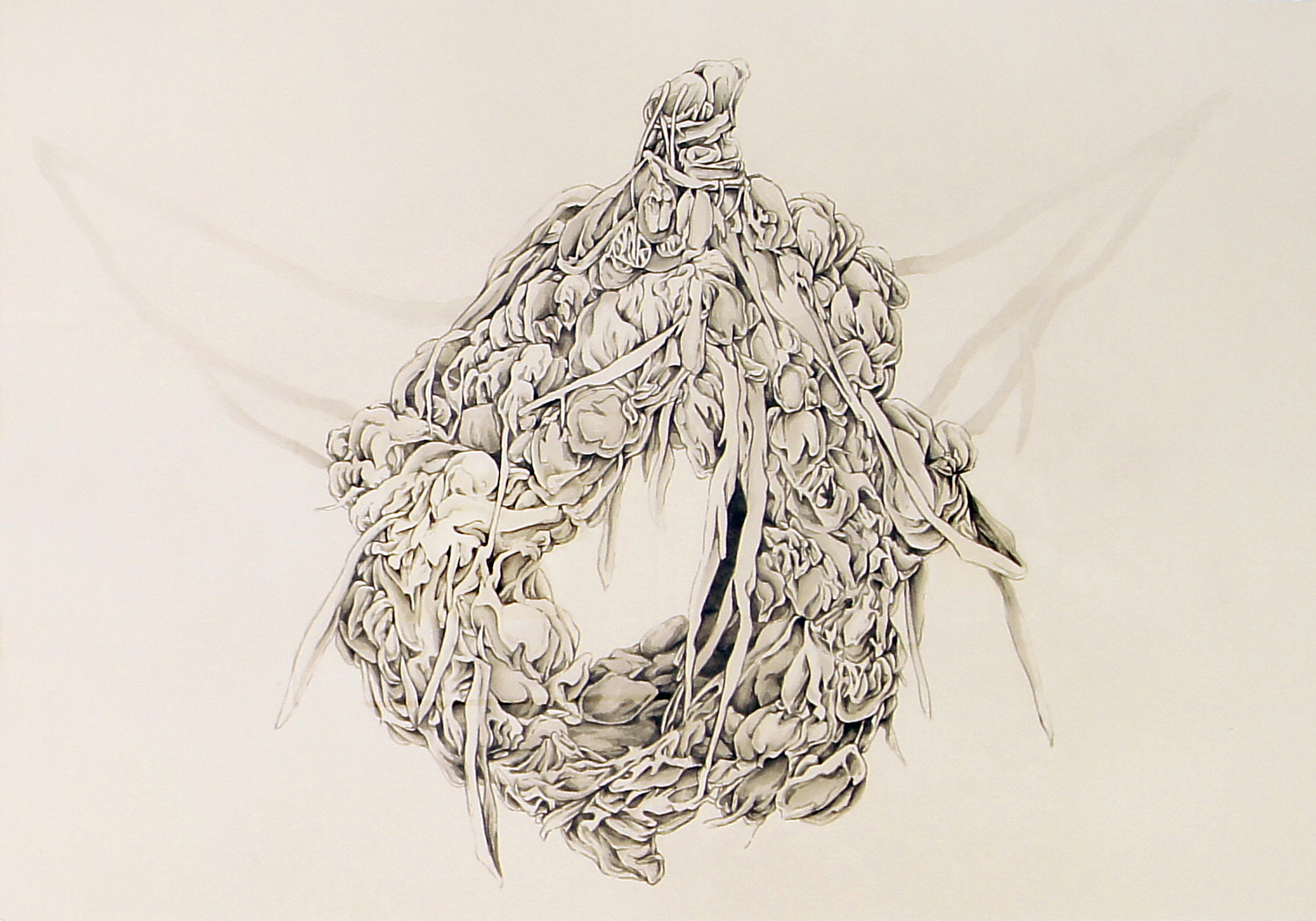
‘Loose Weave’, watercolor and colored pencil cut paper, 11″ x 8″, 2014

Briefly describe the work you do.

My work focuses on ecological consequences of industry and human interaction. I create aesthetically complex installations, drawings, and prints, to describe humanity’s negative influence on the natural world and the long-term effects thereby produced. I select the most effective medium to render my new subject, letting my intuition and physical constraints determine the choice. I draw decisively, keeping a tight hand and clean aesthetic in order to lend plausibility to my constructions.

Tell us about your background and how that has had an influence on your work and on you as an artist.

I am from the Pacific Northwest, and grew up hiking, camping, and exploring the local mountains and Hoh Rainforest. These excursions from suburban to wild environments instilled a life-long passion for the natural world.

When studying printmaking, sculpture, and public art at university, I researched the use of nature-as-subject, environmentalism, and the role of artist-as-activist. My current practice expands upon these influences, exemplifying alternatives to ecological devastation and insights into humanity’s habits and dependencies. This function of our existence and the artistic method of understanding are linked to our place in nature; intrinsically primal, and encrypted deep into our psychology and identity.

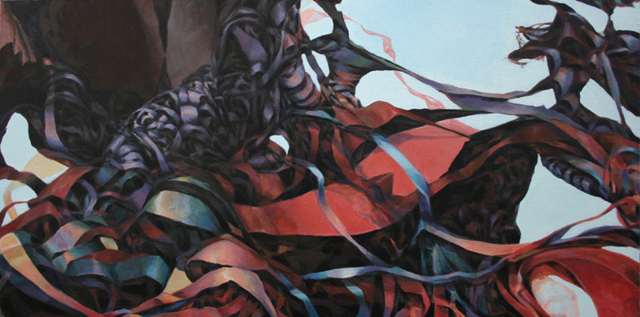
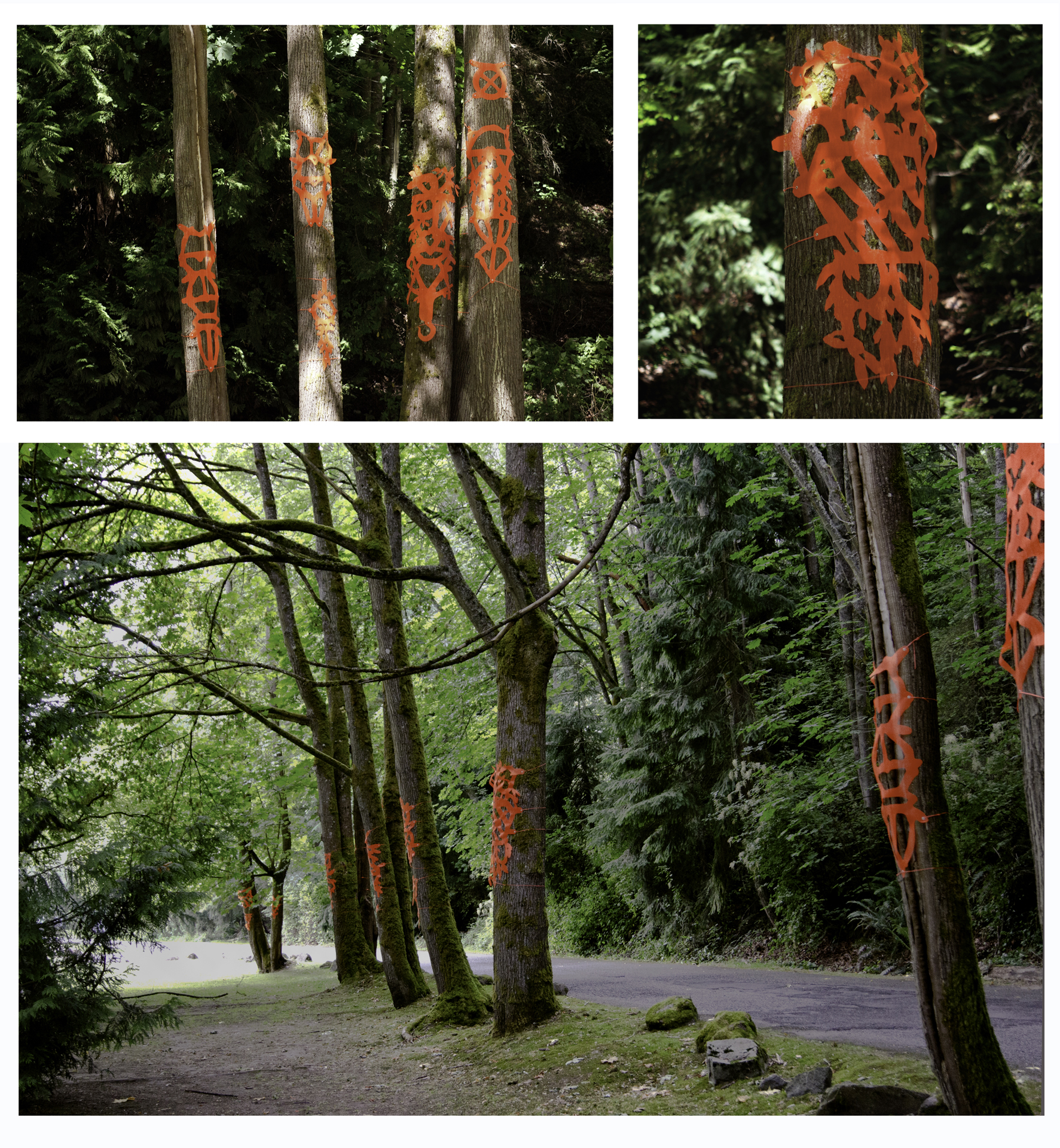
'Periapt', orange vinyl with grommets, twine on trees, dimensions variable, 2014

‘Periapt’, orange vinyl with grommets, twine on trees, dimensions variable, 2014

The concept of the artist studio has a broad range of meanings in contemporary practice. Artists may spend much of their time in the actual studio, or they may spend very little time in it. Tell us about your individual studio practice and how it differs from or is the same as traditional notions of “being in the studio.

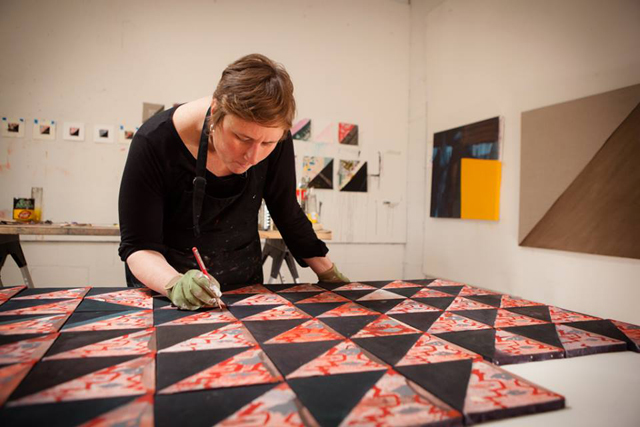
My relationship to the studio is fairly traditional and I spend a good portion of each week there. Drawing depends on my being seated at the angled-desk, and I make sculptural and 3D pieces on my painted, concrete floor, self-healing matt and bucket of tape at the ready.

I share a live-work space with my husband and fellow artist Pete Fleming in an artist-run building, and enjoy the support of being surrounded by like-minded people. With even a quick glance, you can see my newsprint sketches and models, in-progress works, plastic bins of supplies, and a good amount of spilled watercolors, dried into dark pools on my laminated tabletop. Having such a designated work space has been a huge part of my recent developments.

What roles do you find yourself playing that you may not have envisioned yourself in when you first started making art?

There are many roles I have taken on that I didn’t envision as being part of my practice, and many that I didn’t think I would have the opportunity to do. I am thrilled to give lectures and presentations on a myriad of topics for both local art institutions and schools-it’s such a great way to connect with people. Teaching art and working with creative youth has been a real dream, while working as a panelist for exhibitions is an inspiring responsibility that offers behind-the-curtain insights.

When do you find is the best time to make art? Do you set aside a specific time everyday or do you have to work whenever time allows?

My life is a balance of studio, community-time, and day-job: too much time spent in either category tips my flow, but each offer time to make and time to engage in the conversations behind the work. Quiet weekends and evenings are productive times.

SONY DSC

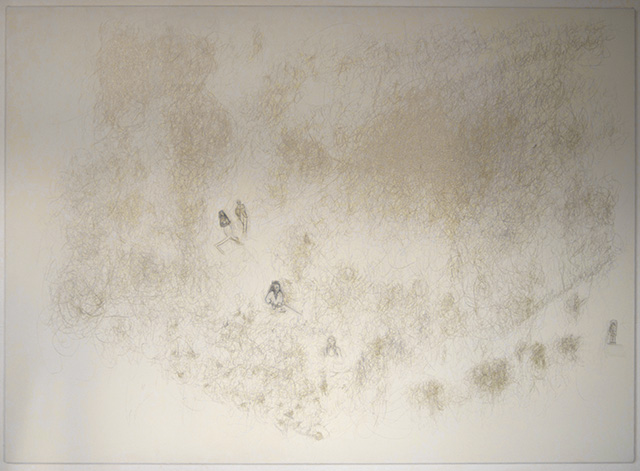
‘Ornament’, watercolor on paper, 11″ x 14″, 2014

How has your work changed in the past five years? How is it the same?

Since 2010, my work has undergone some distinct changes. By taking queues from flora and fauna, sculptural materials, industrial mechanics and more, my visual language has expanded to become more expressive and open at each turn. I embrace intuition and abstraction as useful tools in which both I and my audience can ruminate over, pushing ideas to levels not found through my original, illustration-like works.

How have people such as family, friends, writers, philosophers, other artists or even pop icons had an impact on the work you do?

I am inspired by my friends, family, and peers; the job of ‘artist’ can be undertaken in a myriad of ways and there is no one way to keep on the good pursuit. Knowing people here in Seattle and beyond who exceed their own goals, progress through their inhibitions, and stay open-minded influence me to continue on my own path and evolve. My family positively impacts my work through their support and inspiration: they work and get things done, and do good through their work.

Have you ever been pulled in the direction of a pursuit other than being an artist? What are your other interests?

Art has been my primary focus from the beginning. I am greatly interested in earth sciences, ornithology, environmental conservation, and writing, but rather then create a ‘wish list’ of alternate realities, I incorporate these as part of my practice.

About

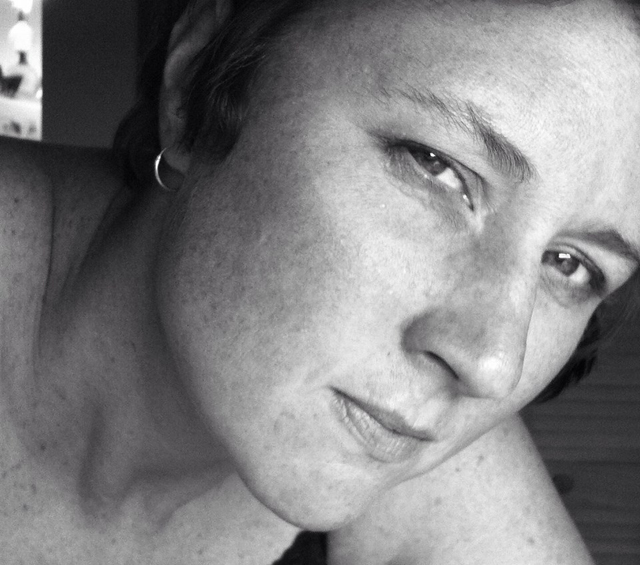
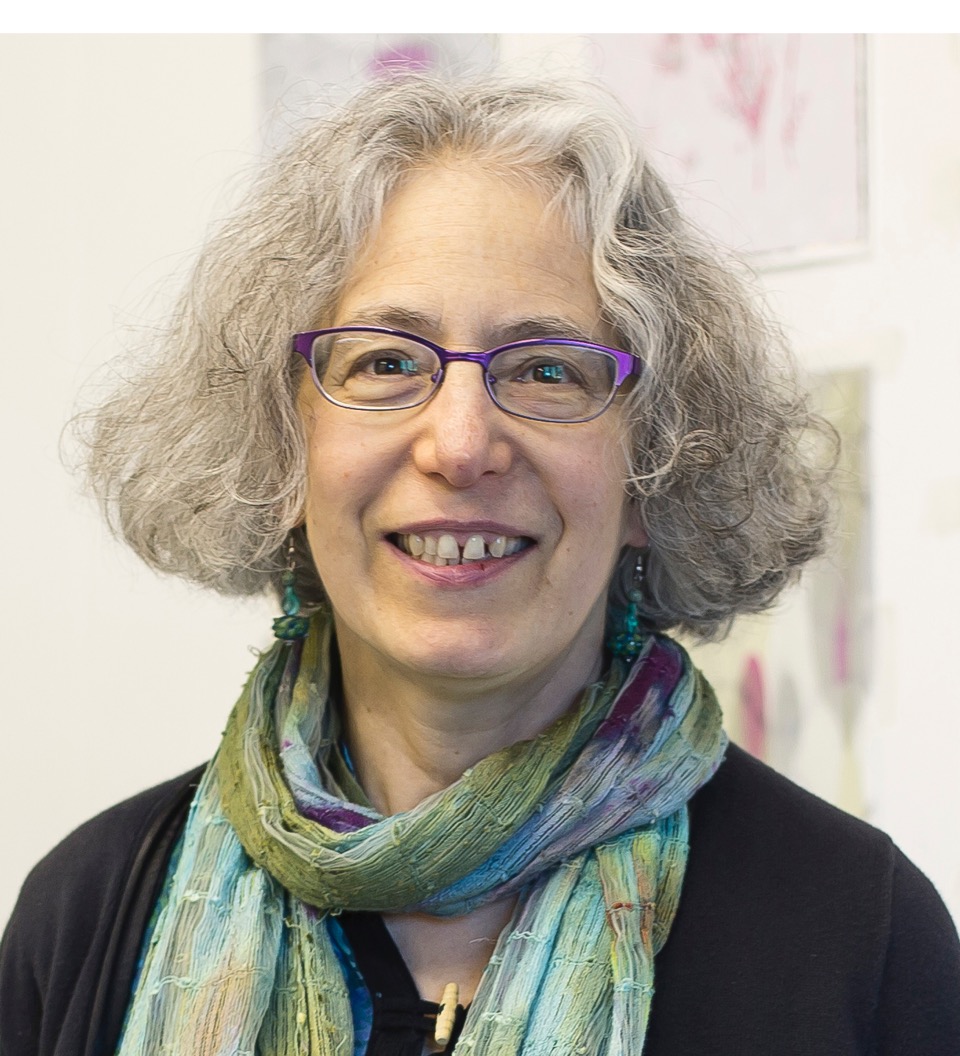
Allyce Wood is based in Seattle and a graduate of Cornish College of the Arts (magna cum laude) 2010 with a BFA in printmaking and sculpture. She studied environmental sculpture at Glasgow School of Art in 2009. Wood has been a member of SOIL Artist Run Gallery since 2012. Her work has been shown in cities such as Glasgow, Oslo, Oakland, New York, and Seattle.

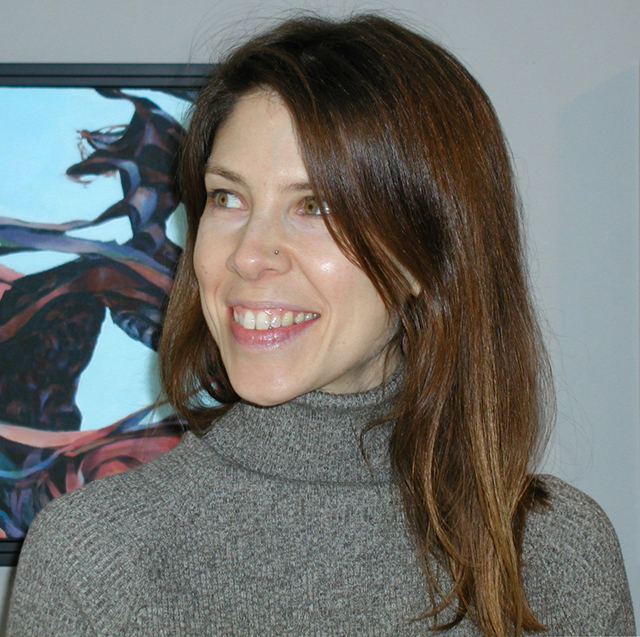
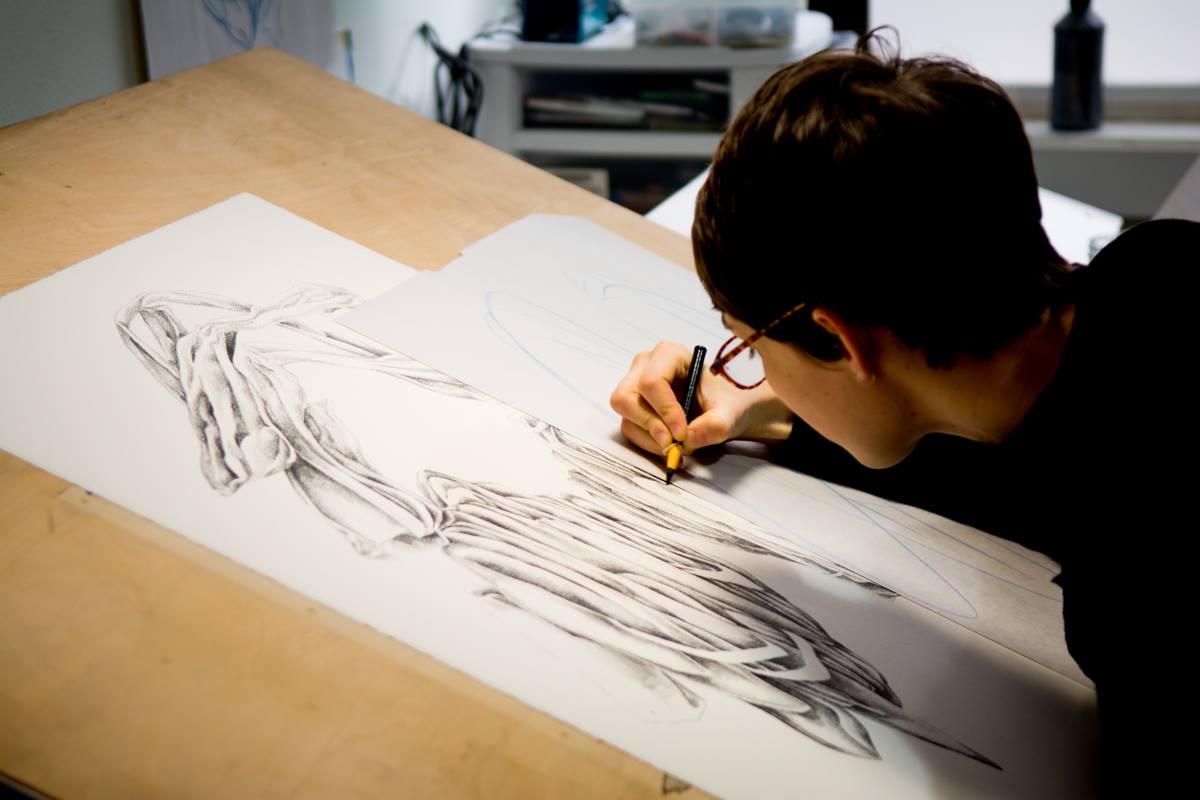
Allyce Wood_in studio

allycewood.com

All images copyright of the artist and used with their permission. 


Posted in Drawing | Tagged , , , , | Leave a comment

Erika Winstone – London

Only love 22, silverpoint, gouache on canvas, 2015

Only love, silverpoint, gouache on canvas, 2015

Briefly describe the work you do.

My work creates a dialogue between painting and video. I use gesture; however, my marks are attempts to transitively capture the, music, actions and communications of others. Energy emerges from countless repeated attempts to capture both spontaneous and performed communication between individuals from different eras. I often work collaboratively with my daughter, or [NAME] to see and hear through other generation’s experience.  I mix personal everyday observation and feature film including relationships between who we are, and who we would like to be. Out of disparate encounters, correspondences occur. I sometimes revisit sites used previously as a source for the work. These are returned to after an interval, to film what happens when the paintings are placed in current situations related to performances from which they were originally drawn. Often the unforeseen occurs and the works are subsequently developed integrating the unexpected and others’ response or obliviousness as part of their fabric. My installations involve an orchestration of several components, which may be reconfigured to best activate the space. The partial glazing emphasizes the vulnerability of the exposed watercolours similar to the fragility of human relationships. I aim to create a space in which to contemplate a meeting between that which is fluid in motion and that which is formed however transitory.

Tell us a little about your background and how that influences you as an artist.

I grew up between two cities London and Belfast. We travelled between them, returning to Belfast every school holiday to my mother’s family home where we lived from I was aged 2-5, after her marriage disintegrated and she became a single parent. My experience of the importance of friendship, family relationships and the memory of the particular light in Northern Ireland profoundly affects my work. I still return there often as well as regularly visiting areas in England such asDevon and the New Forest to film. I live, work and teach in London.

 Finally I am also a parent. This was something I feared might prevent my vocation continuing as an artist since I knew hardly any positive role models who had managed to combine being both artist and mother. However my eighteen- year old daughter ‘s creative insight, energy, relationship and presence has proved to be a constant source and inspiration for my work. She is an artist herself and is currently studying joint honours English and Drama. She often performs in my videos.

detail shot of Satisfaction video, 2014, video still

detail shot of Satisfaction video, 2014, video still

The concept of the “artist studio” has a broad range of meanings, especially in contemporary practice. The idea of the artist toiling away alone in a room may not necessarily reflect what many artists do from day to day anymore. Describe your studio practice and how it differs from (or is the same as) traditional notions of “being in the studio.”

I work in 3 studios, each of which is distinct. The first one is more usual, it’s in a block with other artists called Kingsgate Workshops Trust, here I make my drawn paintings while watching videos on my television monitor screen. I can walk there from home in 20 minutes. The second is in my bedroom, on my computer where I edit my video work and sometimes make small trailer drawn paintings with silverpoint. My third studio is out on location in the world, in places that interest me, sometimes returning to sites where original performances happened. Sometimes collaborating as part of [NAME] performing, filming and making work in changing locations such as the Platform gallery, (on a railway station platform) where we had a residency last year. I find working with others is fundamental to my practice, although I do usually make my drawn paintings alone.

What unique roles do you see yourself as the artist playing that you may not have envisioned yourself in when you first started making art?

I never imagined I would collaborate or work with other’s as I am by nature a very shy person. However, in the past 18 years my practice has evolved to include working collaboratively. Video allows me to record performances and then work privately from it. It allows me to view spontaneous movement or gesture repeatedly, sometimes hundreds of times. Digital editing gives me great freedom to work with time, change and combining my recordings with those of others.

When do you find is the best time of day to make art? Do you have time set aside every day, every week or do you just work whenever you can? 

It is a case of needs must and working with what is possible as I juggle my various commitments. However I feel I have found a positive pattern. I make my paintings in the hours of daylight. I especially like working in the mornings and up to about 4pm. However I usually then come home to edit my videos in the dark. This has helped me be more productive, especially when I had a young child and working hours were short and precious. As well as this being a convenient way of working, on reflection I have come to realise that a harmony with the natural cycle of day and night is at the heart of my process. My work channels light. I draw from film with silverpoint that tarnishes on exposure to air and light. I am working with natural processes of change.

Pride, acrylic, enamel, on birch plywood panel, 2015

Pride, acrylic, enamel, on birch plywood panel, 2015

How has your work changed in the last five years? How is it the same?

The medium I work with has remained the same for the last six years. I have worked with silverpoint for 18 years and I will be featured in the catalogue for the forthcoming exhibition,” Drawing with Silver and Gold at The National Gallery of Art in Washington and The British Museum London, and also exhibited in contemporary exhibitions of silverpoint in USA and London.  I also have worked for 15 years excavating paintings with a drill while viewing and combining performances captured on film. Through making these drawn paintings I become able to edit and resolve my video work. Recently my installations have evolved to include glass panels that I lean across my paintings, partially glazing them to reflect my video projection and the viewer.

For the past two years I have also been collaborating with three other female artists; Sue Glasgow, Lucy Lauener, Charlie Betts in [NAME] our performance and film collective. I mix and combine drawing from films of [NAME] with my own individual work. This has opened up an extended range of surprising moments gestures and interactions, which I believe have enriched my work in unexpected ways. An example of this is my silverpoint installation “Satisfaction”.

Are there people such as family, friends, writers, philosophers or even pop icons that have had an impact on the work you do?

Yes firstly specific actors and musicians whose performances I find mesmerizing. I often work from the same person following them in different roles eg; Charlie Chaplin, Fred Astaire, Ginger Rogers, Katharine Hepburn, Cary Grant, Rüdiger Vogler, Heath Ledger, Pascale Ogier, Bob Dylan, Rolling Stones, Amy Winehouse.

Secondly, I combine and layer performances by known artists with the as yet unknown. Especially significant has been my daughter Anna who has been a constant muse and collaborator for last eighteen years. Also other young people I know, passers by, and [NAME].

 Secondly my husband Mark Dean is a video artist.  We have been partners for 39 years and I have learnt a lot from him, particularly in regard to video. We have supported each other through critical conversation, encouragement and fellowship as artists.

Lastly, my parents, who separated when I was two. My father was Eric Winstone a big band leader and musician. My mother Myrtle Winstone a high couture model, who later established her own fashion model agency. My mother still has a highly critical visual eye and understanding of image, colour and line. I recall  many conversations walking along a street listening to her describing and assessing the appearance and gestures of strangers. These seem to connect to my interest in sound, movement and gesture.  Perhaps indeed my interest in finding connections between different eras through my selection of films I combine, relates to the fact that my father was 20 years older than my mother and my daughter is 39 years younger than me.

If you had an occupation outside of being an artist, what would that be and why?

As well as being a practicing artist, I am also a Fine Art teacher and lecturer. I have taught Fine Art in various colleges and universities and for the past 30 years I have been teaching at Kensington and Chelsea College on a higher education course. I have learnt hugely from my fellow lecturers as well as from my students, particularly on the HNC Course in Fine Art (equivalent to the first year of BA). The students have been described as of “no fixed demographic”. One of my students, 12 years after graduation, works collaboratively with me in [NAME]. If I could be anything else as well as an artist and lecturer it would be a musician. I enjoy using other people’s sound to draw from, as music is important to my life and my work. I would love to be able to play music as well as work from it, and I admire current artists such as Andy Holden, Maria Zahle and Mark Dean who are able to do both.

About

image002Erika H. Winstone (b. 1957 London) holds a MA Fine Art and Teaching in HIgher Education from Kingston University, a Postgraduate Diploma Fine Art from The Slade School of Art and a BA Hons. Fine Art from Camberwell College of Art. She is an elected member of The London Group and a founder member of [NAME] a collaboration between 4 artists; Sue Glasgow, Charlotte Betts and Lucy Lauener. She exhibits internationally and this year will be exhibiting in the following; ‘Lustrous Lines’ exhibition at the Norfolk Arts Center, Norfolk, Nebraska and the Morris Graves Museum of Art in Eureka. Her work is being featured in the catalogue for the exhibition; “Drawing with Silver and Gold” at The National Gallery of Art Washington, March 2015 and The British Museum in London, Sept. 2015. She will be exhibiting in contemporary exhibitions including “Bridge” at The Cello Factory London, and a contemporary silverpoint exhibition at The Patrick Heide Gallery London September 2015.

She also is a curator and has curated the following exhibitions; ‘Ch-Ch-Ch-Changing’, 2013 and “Surface” 2012 at the Griffin Gallery, London. ‘The Other Side’ 2009 Crypt Gallery, London. Peter Stanley & Friends‘, 2009. Hortensia Gallery, London and co- curated ‘Love Story’, 2004 Danielle Arnaud Gallery, London. Erika lives and works in London.

erika-studio-favourite-spot-1

erikawinstone.net

All images copyright of the artist and used with their permission. 

Posted in Silverpoint, Video | Tagged , , , | Leave a comment

Stephen Honicki – Scotia, New York

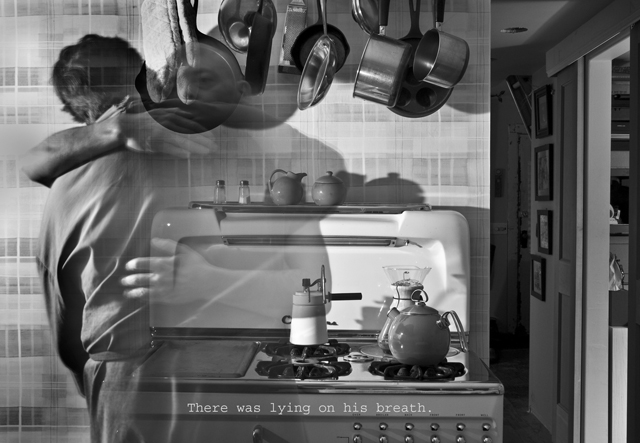
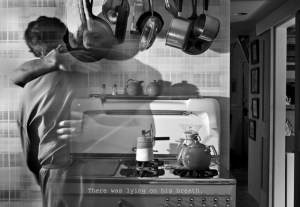
There was lying on his breath. ( from the series, Between Heaven and Hell) 2010 5" x 7" Archival pigment print

There was lying on his breath. ( from the series, Between Heaven and Hell)
2010
5″ x 7″
Archival pigment print

Briefly describe the work you do.

Whether it be a classic Hitchcock mystery or a contemporary daytime soap opera, the dramatic interplay between characters in a make-believe world has strongly influenced my work as an artist.  As a photographer, my intent is for viewers to see my images as a series of dramatic vignettes unfolding before their eyes. Through these photographs, the viewer is able to get a glimpse into various “scenes” of my life – sometimes semi-autobiographical – sometimes “dislocated” stories from those in my life at the time.  I see myself as a “visual storyteller” dealing with the underlying themes of love, relationships, loss, and hope.  Through the combination of the visual image and text, it is as if I am taking my viewer on a my journey – not only the physical, but the emotional, and spiritual aspects as well.  In images where there are two men,  I have purposely left out the sexual aspect of the interaction – although there may be a desire implied – in order to focus on the other aspects of the connection.  The nature of relationships is universal.

My initial series, “Between Heaven and Hell”, incorporated text over the photograph. The text, was not meant to be a literal interpretation of the scene, rather I wanted to give the image a sometimes-ironic twist, allowing viewers to come to their own conclusions about the action observed.   My selections of photographs depict the photographic portrait and the spaces (environment) in which they occur. I strive to communicate how the figure relates and perhaps changes in direct relation to the space in which the figure (portrait) exists, as often times the setting in which a portrait is made tells us more than we might imagine.  I strongly believe that in addition to the “text” that accompanies the photograph, the essence of an environment can add mystery to an image or answer questions about the person being photographed. 
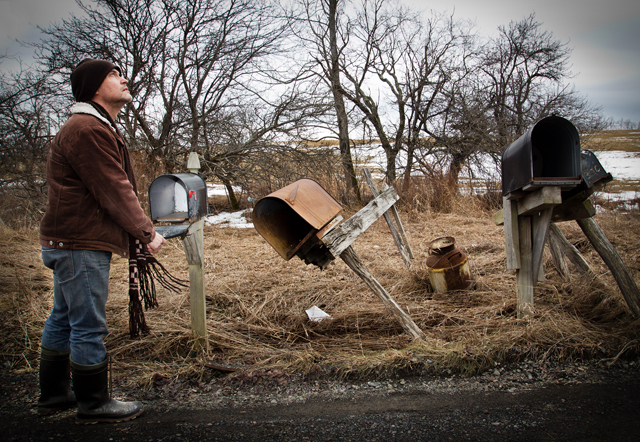
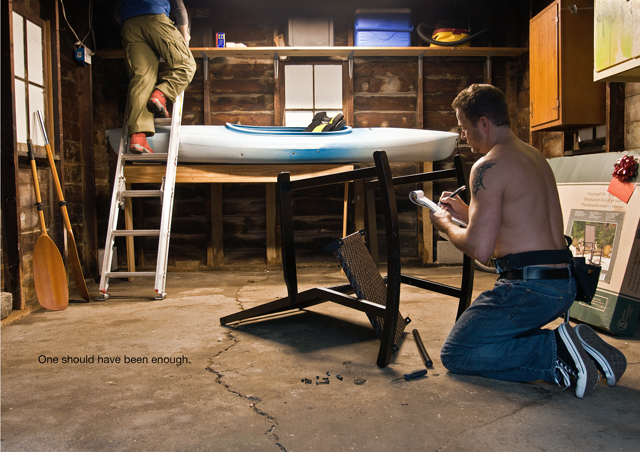
Unanswered Prayer (from the series, The Book of James) 2014 18" x 26" Archival pigment print

Unanswered Prayer (from the series, The Book of James)
2014
18″ x 26″
Archival pigment print

Tell us a little about your background and how that influences you as an artist.

As a child growing up in a small suburban area outside Schenectady, NY, I have always had love for going to the movies and watching television – not to mention books.  I was reading by the age of four and was always fascinated by the moving image that was housed in the wooden box in the living room.  I also always loved to draw and paint.  Fast-forward to preparing for college, I was unsure at the time with how I could combine all of the things I was passionate about into a career.  So, I decided to follow my heart and pursue what I loved the most – creating art.

My early work began as a series of black and white sumi ink paintings that were inspired by film stills from my vast collection of videos from the 30’s and 40’s.  As time went on, I continued to be fascinated with the framing of the shots of the films I would watch, yet wanted my work to have a more personal connection to what was happening on the other side of the screen.  Around the same time, I got a position as an art educator at a local high school, where one of the courses I was asked to teach was Photography.  It was then I realized the power of the medium, and replaced my paintbrush with a camera.

The concept of the “artist studio” has a broad range of meanings, especially in contemporary practice. The idea of the artist toiling away alone in a room may not necessarily reflect what many artists do from day to day anymore. Describe your studio practice and how it differs from (or is the same as) traditional notions of “being in the studio.”

My studio is just a room in my house where my books, camera equipment, and 27″ iMac computer are located.  It is there where the planning of the shots and editing occurs.  I consider the various places / locations where I create my photographs to be my “studio”.  Part of the enjoyment is finding the right location for the particular scene.

What unique roles do you see yourself as the artist playing that you may not have envisioned yourself in when you first started making art?

Back in 2006, when I showed my body of work to a number of gallery directors in New York at a portfolio review, I was told that although my work was engaging, it was probably only going to appeal to a niche audience.  Although somewhat discouraged, I still continued to create my dramatic vignettes that reflected what was going on during my life at that particular time.  As time went on and my work became more authentic, I began to have my work accepted into a variety of juried shows, both locally and nationally.  I realized that viewers were able to look beyond the fact that the work explored the themes of a gay relationships and instead related to the experiences that are inherent in all relationships.

Another challenge I experienced when I first began exhibiting my work was from individuals who had a problem with the text being superimposed on the photograph  In fact, there were some viewers who dismissed the work because of the text and others who couldn’t understand why I was using “courier” as my font. I purposely chose “courier” for the text, because I wanted it to seem as if it had been typed on an old ‘40s typewriter; similar to how scripts are created.  There are instances when I felt that the inclusion of text within the photographic frame gave my work an unique experience for many people.  Viewers would “read” both the text and the photograph and want to know what the “story” was really about.  I always meant for my work to be open to interpretation; allowing for each viewer to bring their own prior experiences to the viewing on my work. I like people to come away from viewing my work by making connections with the various personal relationships in their own lives.

When do you find is the best time of day to make art? Do you have time set aside every day, every week or doyou just work whenever you can?

My work schedule as a fine art photographer revolves around my work schedule as a media arts educator as well as the schedule of my various “actors”.  Currently, when I do schedule a shoot, it it usually an all day affair starting by mid-morning and ending around dinner time with celebratory meal with my actor.  Then it’s home to my computer where I’ll upload several hundred of my digital files to select the best four or five shots to edit for the series.  If I’m lucky, I’ll be in bed by 4 AM.
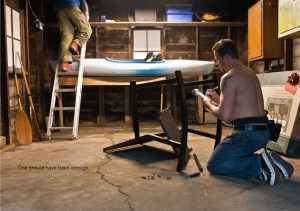
Coupling (from the series, Coupling) 2011 16" x 22" Chromira print

Coupling (from the series, Coupling)
2011
16″ x 22″
Chromira print

How has your work changed in the last five years? How is it the same?

With the creation (and construction) of the series, A Solitary Man,  I found I no longer wanted to be in front of the camera.  After considering a few individuals to be the main character, I asked my friend and fellow photographer Tim if he would be interested in being the subject of my latest series.  He agreed and now I couldn’t see anyone else in the role.  It was through Tim that I met James – who would be a guest star in A Solitary Man and later the subject of my current series, The Book of James.  I also decided to use “artifacts” – whether it be a handwritten letter, an e-mail, or a page from a journal instead of superimposing text onto the photograph. The work is displayed as a framed photograph juxtaposed with a framed piece of writing.

Also, my need to always incorporate “text” into my photographs has diminished with my latest series, The Book of James.  I still have a strong desire to be a visual storyteller, but for some reason the beginning of this particular set of photographs were not enhanced by the inclusion of text.  When using text with the photographic image, the challenge was always that neither the photograph or the words could be stronger than the other.  

I am still a visual storyteller, but have chosen a variety of ways of being true to myself and give my viewers a small personal glimpse into my real and imaginary worlds.  Art can (and should) imitate life.

Are there people such as family, friends, writers, philosophers or even pop icons that have had an impact on the work you do?

One of the challenges I had to deal with in moving from being a painter to a photographer was finding “actors” to be a part of my personal narratives.  I finally decided to use myself as the “lead actor” in my initial series (and the two that followed) as well as my partners (at the time the particular series was being shot) and a few close friends. I thought that having some of the individuals who portray the characters in my semi-autobiographical series play themselves might work.  I have always felt that chemistry experienced in reality would transcend the medium of photography. Initially I would set up the scene without the individuals knowing exactly what the concept was for that particular scene.  They also had no idea what text would accompany the photograph.  

The one exception was the series, Until Soon. Until Soon was inspired by a conversation I had over a short period of time with my friend, David. David and I met by chance one Sunday winter evening.  There was an “energy'” between us that led to a conversation. During the conversation, we realized we had a number of very similar situations in common. The main difference was that the situations that we had in common had occurred over ten years apart. For me, it was like traveling back in time. Reliving a part of my journey with this stranger who coincidentally reminded me of a good friend who was with me on that journey ten years earlier almost to the day.  In fact the title, Until Soon, came from the closing of an e-mail David had written me.

This was also the first time I considered presenting my work as diptychs, which are best described as a series of dramatic segments that depict the interaction (and communication) of the two main characters.  In this series, the text is actually handwritten by the individual characters allowing the viewers to hear their “inner voices.” The text is a combination of actual dialogue that had occurred between David and myself, as well as notes/ phrases I had written in my journal. This combination of text and visual imagery is designed to help the viewer come to their own conclusions about the action observed. It is purposely left unclear as to which text is being “spoken” by which character.   

Master photographer Duane Michals and his work have played a major influence in my work as an artist.  I had the great pleasure and honor to spend five days with Duane at a workshop in Maine during the summer of 2007.  After sharing and discussing my series, Between Heaven and Hell with Mr. Michals, he suggested I reduce the original photos’ size down from 16″ x 24″ to 5″ x 7″ , to give the viewer a more intimate experience – especially given the subject matter.  His work continues to excite and influence me today.

I also am inspired by the work of Philip-Lorca diCorcia, Jesper Just, and Karl Erik Brondbo who all have a cinematic look to their work.

If you had an occupation outside of being an artist, what would that be and why? 

At the moment, I feel I am living the best of both worlds, being a fine art photographer as well as teaching photography to a group of inspiring, creative, and engaging students.  Each “vocation” complements the other.  If I was to have a dream job, it would probably be a film director.  No surprise there.  In fact with my latest series, I have a desire for my photographs to have a cinematographic feel to them in contrast to the film noir look I desired with my first series.

About
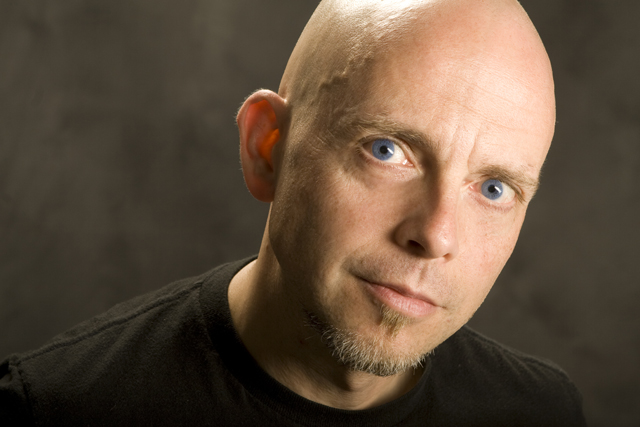
honicki_stephen_headshotStephen Honicki plays out his “dramas” in the Albany (Capital District Region) of NY. In addition to staging and documenting his personal vignettes and narratives as part of his various dramatic series, he is also a media arts educator at Niskayuna High School where he teaches Photography and Video.  Honicki received his BA in Fine Art from the University of NY at Albany and his MS in Art Education from the College of Saint Rose. 

Photographs from his various series have been exhibited as part of the Annual Photography Regionals of the Capital District at the Albany Center Gallery, Opalka Gallery, and Fulton Street Gallery.  In addition, Honicki has had work selected for three consecutive years (2008-2010)  to be part of the Exhibition by Artists Of The Mohawk-Hudson Region held at the Albany Institute of History & Art, the University Art Museum at SUNYA ,and the Hyde Museum respectively.  Extensive selections of photographs from the series were showcased at the 62nd Exhibition of Central New York Artists at Munson Williams Pratt Arts Institute in Utica. He has also had work selected to be part of the Paducah International Photo Exhibits.

His work has been published in MASCULAR magazine, NEXT Magazine, Self-Searching: The Art of the Self-Portraiture,  as well as the art and literary publication, Love + Lust: Open to Interpretation.
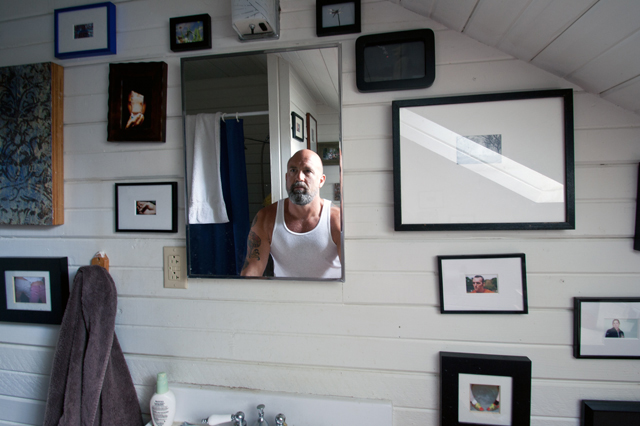
Detail shot from Just Being Honest (from the series, A Solitary Man)  2013 16" x 22" (Section "A") Chromira Print

Detail shot from Just Being Honest (from the series, A Solitary Man)
2013
16″ x 22″ (Section “A”)
Chromira Print

stevehphotography.com

All images copyright of the artist and used with their permission. 

Posted in Photography | Tagged , , , , | Leave a comment

Anne Horst – Germany

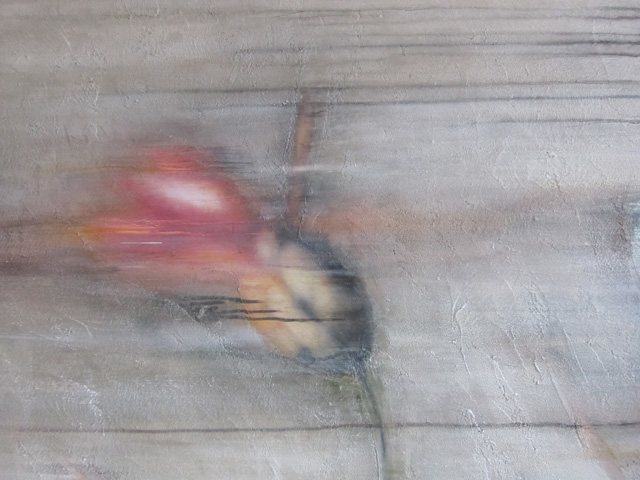
Detail

Detail

Briefly describe the work you do.

Digging, thinking, wasting, writing, looking, smoking, twinkling, mixing, sewing, collecting, breathing, holding, drinking, deciding, running, discarding, rejecting, accepting, deciding, decinding, deciding, painting.

Tell us a little about your background and how that influences you as an artist.

The answer lies – as with many artists – in my early childhood. I still feel strongly connected to my experiences and emotions during my early childhood. I still can recover from my “storage” those feelings even from my age of four. When you are a child your world is small. But deep. Like a deep sea. And so are your emotions and experiences. The older you get, the wider gets the lake. It develops into a pond, it gets more flat. The deep sea. There’s a gap between this unconscious deep sea of childhood and the flat pond of manhood.

And I’m still swimming in between those gaps. So there are autobiographical elements in my work , it’s hard to avoid them, but they are not primary. What I’m doing is digging in the common marketplace, searching for those moments which connect to my inner experiences and emotions. In this sense I stay on a personal level.

Nonetheless I work with imagery which isn’t personal. Just the selection is personal. Inspiration can come from anywhere. What interest me are the truths which lay underneath the surface of the pictures, truths which show oneself just every once in a while, like an aurora borealis on a winter sky.

Searching For The Place

Searching For The Place

The concept of the “artist studio” has a broad range of meanings, especially in contemporary practice. The idea of the artist toiling away alone in a room may not necessarily reflect what many artists do from day to day anymore. Describe your studio practice and how it differs from (or is the same as) traditional notions of “being in the studio.”

To me the studio is my workplace, my frame of  production, my private ivory tower. But the ideas themselves develop for the most part somewhere else. The usual remedy of everyday life keeps me going, is my motor – boundaries between painting and every day life are crossed. I try to stay dedicated, patient, perseverant – if I don’t have a bad hair day. But also trouble and mistakes are welcome – loosing control  offers a lot of benefits.

What unique roles do you see yourself as the artist playing that you may not have envisioned yourself in when you first started making art?

In a word: solitude.

When do you find is the best time of day to make art? Do you have time set aside every day, every week or do you just work whenever you can? 

I go along with Chuck Close fort this answer:

“Inspiration is for amateurs. The rest of us just show up and get to work. If you wait around for the clouds to part and a bolt of lightening to strike you in the brain, you are not going to make an awful lot of work. All the best ideas come out of the process; they come out of the work itself.”

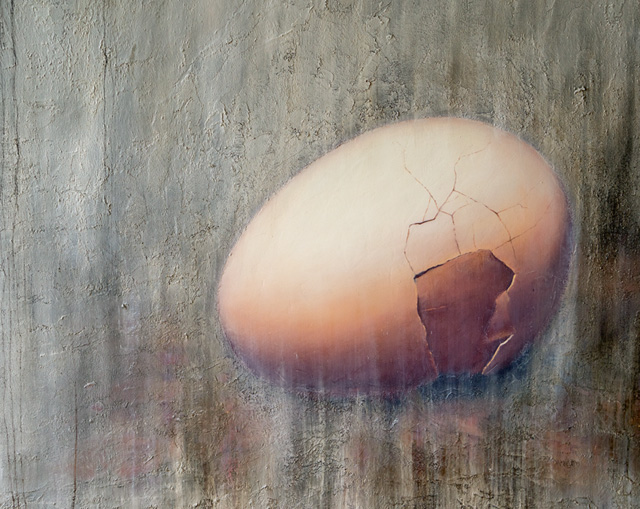
Egg

Egg

How has your work changed in the last five years? How is it the same?

The timeframe is pretty much the same – I work in the morning and in the evening, the afternoon is reserved for private stuff and family. I’m always interested in using new materials, new pigments, new tools. It’s like cooking.

Right now I have set my focus to work on whole installations, working on an exhibition as a whole setting, stepping aside from „just painting “.  This way to work offers  other mediums, media, sizes, etc. For example for my last exhibition „All Life Still“ I created a sound installation and was working with light.

Are there people such as family, friends, writers, philosophers or even pop icons that have had an impact on the work you do?

Self aware people are always inspiring, people who are self-confidently committed to their work and honest about what they are doing.  To me those people are „artist“. Who are connected to their inner guidance.  This kind of attitude makes an great impact.  They make a change, they open new windows and broaden our views – regardless their profession.

If you had an occupation outside of being an artist, what would that be and why?

I would be a writer, an author writing travel guides, I just love traveling. If I’m stuck in a rut, a trip is the best thing for me to do. The  benefits aren new perspectives, ideas and thoughts.

Engram III

Engram III

anne-herzbluth.de

All images copyright of the artist and used with their permission. 
Posted in Collage, Painting | Tagged , , , , | Leave a comment

Leslie A. Holland – Santa Fe, New Mexico

Carpet / Leg X, oil on linen, 36 x 35 inches, 2014

Carpet / Leg X, oil on linen, 36 x 35 inches, 2014

Briefly describe the work you do.

I am a visual artist who draws from architecture and landscape, edging into figurative allegory. My work spans multiple mediums and formats. Photographs are drawn small-format. Printmaking influences composition and color. At the end of the day, I am an oil painter.

Tell us a little about your background and how that influences you as an artist.

I was raised in upstate New York, close to Canada. My older brother played ice hockey. Consequently, travel by auto en route to games in neighboring cities, sometimes other countries informed my formalist approach. My mother is a quilter. My grandfather was a traditional sign painter. I inherited the art gene, I think.

The concept of the “artist studio” has a broad range of meanings, especially in contemporary practice. The idea of the artist toiling away alone in a room may not necessarily reflect what many artists do from day to day anymore. Describe your studio practice and how it differs from (or is the same as) traditional notions of being in the studio.

I consider myself a participant /observer, collecting data and imagery on the fly. Sometimes truncated words scribbled, others detailed dreams meticulously typed into a smartphone. Scraps of paper become stacks. These become the paintings. Yes, there are hours spent alone, as well.

Five Lines, mixed media on paper, 12 x 12 inches, 2014

Five Lines, mixed media on paper, 12 x 12 inches, 2014

What unique roles do you see yourself as the artist playing that you may not have envisioned yourself in when you first started making art?

Starting out as a painter, I eschewed what could now be called social practice. I now value surrounding dialogue equal to my studio practice. The idea that art is made as a critique of something is important. And, it is limited. An outmoded role in my opinion is that of the marginalized artist.

When do you find is the best time of day to make art? Do you have time set aside every day, every week or do you just work whenever you can?

I paint each morning prior to some exercise–dance, swimming or cycling.

Pink Moon, mixed media on paper, 8 x 8 inches, 2013

Pink Moon, mixed media on paper, 8 x 8 inches, 2013

How has your work changed in the last five years? How is it the same?

In the past five years, I have been working on follow through, namely getting rid of passive space. One of my painterly questions involves filling in the box. There is a lexicon which presents itself through my work. Recognizing these core elements across the mediums is always surprising. To paint non-objectively is to not know why things appear as they do. This, regardless of whether I paint from life or from imagination, is what I trust most.

Are there people such as family, friends, writers, philosophers or even pop icons that have had an impact on the work you do?

My lineage is Modernism. Friends and teacher’s insights have great bearing on my work. A couple of intriguing questions I’ve encountered have been: “What are you afraid of,” and “Where is that line going, anyway?”

If you had an occupation outside of being an artist, what would that be and why?

I am an educator–I can’t imagine doing anything else. I have done numerous things as my day job–admin, maintenance, reconciling hotel revenue on the night shift, to name a few. I always come back to teaching.

About

Holland head shotLeslie A. Holland (b. 1975) holds an MFA from the University of New Mexico and a BFA from The School of The Art Institute of Chicago in Painting and Drawing. Her work has shown in galleries including Hyde Park Art Center, William Shearburn Gallery and Yares Art Projects in Santa Fe, NM. Awards include Harry Nadler Memorial Fellowship, Phyllis Muth Scholarship for Fine Arts and Marion Monical Memorial Fellowship. Solo exhibitions include Without Words at Small Engine Gallery, Your Gold at SCA Contemporary  and Works on Paper at John Sommers Gallery in Albuquerque, NM. Group exhibitions include UN 2, curated by David Solomon and Reasons, Excuses, Alibis and NonSequiturs, curated by David Pagel at UNM Art Museum. A selection of her work aired on “Madrigal,” Season Five, Episode Two of AMC’s television series Breaking Bad. Born in eastern Pennsylvania, raised partially in upstate New York and the Midwest, she presently lives and works in Santa Fe, New Mexico, where she teaches for Lesley University’s MFA in Visual Arts Program.

Holland in the studio

Holland in the studio

lesannholland.com

All images copyright of the artist and used with their permission. 
Posted in Painting | Tagged , , , , | Leave a comment

Michael Nichols – Bowling Green, Kentucky

Brume, Airbrushed buon fresco on ceramic support, 16x16”, 2014

Brume, Airbrushed buon fresco on ceramic support, 16×16”, 2014

Briefly describe the work you do.

My work utilizes buon fresco, an ancient technique of pigmenting wet lime plaster. In its purest sense, fresco is a method of painting into stone. I enjoy the physical act of making and spreading plaster and feel a reverence towards the medium’s long history. I’m also charmed by the painting’s surface, which has a jewel-like quality.

I make monochromatic frescoes using an airbrush (spray paint). I spray fine mists of pigment onto the fresh plaster until a veiled figure emerges. The atomized dispersal of the figure interests me because it creates a painting whose forms hinge less on boldness and more on subtlety and delicacy. Although my process is rooted in traditional media, such as buon fresco, and silverpoint, my goal is to create contemporary images that intrigue viewers and reflect my own curiosities about the world.

Tell us a little about your background and how that influences you as an artist.

I have an affinity for materials and processes, which I attribute to experiences at Fontbonne University, where I studied art. For me, the physical aspects of the work, as well as the images or objects themselves, are visceral and have an atavistic significance.

Cloud, Airbrushed buon fresco on Styrofoam support, 24x24”, 2014

Cloud, Airbrushed buon fresco on Styrofoam support, 24×24”, 2014

The concept of the “artist studio” has a broad range of meanings, especially in contemporary practice. The idea of the artist toiling away alone in a room may not necessarily reflect what many artists do from day to day anymore. Describe your studio practice and how it differs from (or is the same as) traditional notions of “being in the studio.”

The lion’s share of my studio practice is completed in a traditional studio setting. Some of my creative process is spent working away from the easel, tinkering with photographic reference imagery or interacting with other artists and thinkers by way of the Internet, reading, or talking.

While painting a large-scale fresco at Western Kentucky University, my studio moved to Van Meter Auditorium, the location of the mural. Most people didn’t realize my work day started at 8am and I wouldn’t finish painting until 4 or 5am the next morning. They were gruelingly long days, but equally rewarding and I cherished the quiet nights alone with the building.

What unique roles do you see yourself as the artist playing that you may not have envisioned yourself in when you first started making art?

I would have never guessed I’d be teaching others about art. It’s been one of the most pleasant surprises of my life.

When do you find is the best time of day to make art? Do you have time set aside every day, every week or do you just work whenever you can? 

I make some work throughout the year as my teaching schedule permits. However, the bulk of my studio practice occurs in the summer, or on sabbatical, when I’m not in the classroom. I appreciate the long uninterrupted days and find them well suited for making frescoes, mainly because the technique is so persnickety. The working time of fresco varies considerably based on things like humidity. It requires a great deal of time and preparation, and can be obstinate, like a headstrong friend. Fresco painting happens on the plaster’s terms, no sooner, no later.

Slur, Airbrushed buon fresco on ceramic support, 16x16”, 2014

Slur, Airbrushed buon fresco on ceramic support, 16×16”, 2014

How has your work changed in the last five years? How is it the same?

Five years ago I was working on a large-scale fresco mural, using the medium as it has been in the past, as an architectural element. Today, I’m still making buon frescoes, but I try to push the medium in ways that are more practical and contemporary. I make frescoes that are portable and in some cases modular. Rather than applying pigment with a traditional brush, I experiment by spraying paint with an airbrush, something that suggests an interesting political contradiction, as fresco has been used historically by patrons as a “top down” medium. More important to me, the atomized effects of airbrush echo thematic concerns that tie into the larger body of my work.

Are there people such as family, friends, writers, philosophers or even pop icons that have had an impact on the work you do?

My wife, Leslie Nichols, has a tremendous impact on my life and work. We have many stimulating conversations, oftentimes about gender and identity. Although my work and imagery isn’t about those topics specifically, they are related to my interests in broader metaphysical questions about knowing and being. Insofar as my works are manifestations of my thoughts, I am also impacted by the writing of a number of thinkers that include Mira Schor, Friedrich Nietzsche, Ludwig Wittgenstein, and Morris Weitz. I’m particularly interested in how meaning builds, shifts, and sometimes disappears all-together.

If you had an occupation outside of being an artist, what would that be and why?

I love hiking, and would enjoy working for the US National Parks Service, at the Grand Canyon.

About

Nichols_HeadshotMichael Nichols was born and raised in St. Louis, Missouri. Nichols’ current work explores contemporary applications of two ancient media, silverpoint drawing and buon fresco painting. His practice in traditional techniques started at Fontbonne University in St Louis, where he earned an MFA.

His works have been featured in solo and group exhibitions throughout the United States in venues that include the Boston Center for the Arts, Evansville Museum of Art, Huntsville Museum of Art, Purdue University, and the Strathmore Mansions and Galleries. In 2010, Nichols received an Al Smith Fellowship from the Kentucky Arts Council. He lives and works in Bowling Green, Kentucky where he is an Associate Professor of Art at Western Kentucky University. He has been awarded three WKU faculty grants, Buon Fresco Technique, Painted in Stone, and Refresh, that supported research in the technique of buon fresco painting.

Photo by Cheryl Beckley, WKU-PBS

Photo by Cheryl Beckley, WKU-PBS

michaelnicholsart.com

All images copyright of the artist and used with their permission. 
Posted in Painting | Tagged , , , , | Leave a comment

Sujin Lee – Seoul, Korea

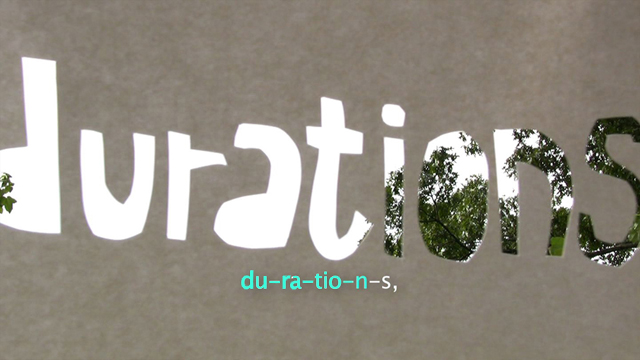
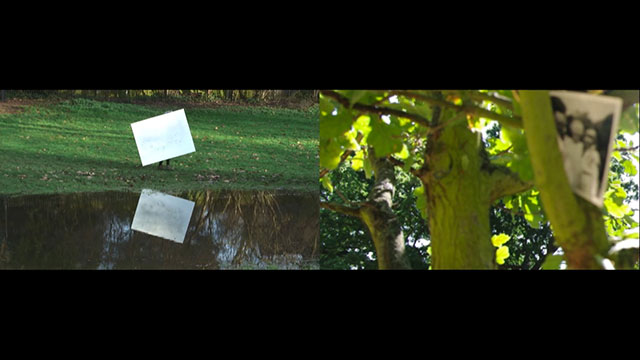
Title: 'this landscape (a response to Frances Richard's book Anarch.) Medium: HD Video Duration: 02:14  Year: 2013

Title: ‘this landscape (a response to Frances Richard’s book Anarch.)
Medium: HD Video
Duration: 02:14
Year: 2013

Briefly describe the work you do.

I work with text, video and performance, exploring the way in which different cultural and linguistic systems affect the performative actions of language.  My experience of moving to the U.S. from Korea and learning English as an adult has shaped my artistic work.  I am especially fascinated by the physical act of speaking.  In my work I often translate spoken text into written text and vice versa, and explore the resulting disjunctures that uncover basic imperfections of language.  I am interested in the elements that spoken words hold – accents, durations, emotions, hesitations, and mistakes – as well as how to present those elements in different written forms.  I often use dubbing and subtitles, juxtaposing spoken and written texts to explore the notion of “perfect” speech, the relationship between sound and image, and the ownership of language.

Tell us a little about your background and how that influences you as an artist.

I was born and raised in Seoul, Korea.  I moved to the United States to attend college and lived there for many years after graduation. The experience of learning English as a second language as an adult influenced me and my work tremendously because now I create art about language.  My work deals with speaking, writing, and reading and translations between those actions.  Learning to speak a new language made me especially interested in the physical act of speaking. I was very fortunate to live in NYC for many years – a city enriched by its art, theater, dance, and music as well as its artists and audiences with different cultural and language backgrounds. 
NYC is also where I discovered my interest in moving images and performance.

I am now living in Korea once again, participating in the Kumho Art Studio program in Icheon.  Living in Korea and speaking Korean on a daily basis again is a huge adjustment.  It has been quite interesting to look at my two “homes” (the U.S. and Korea) with a new perspective and figure out where I am located between the two places. 

Title: This Voice, Medium: HD Video, Duration: 06:07, Year: 2013

The concept of the “artist studio” has a broad range of meanings, especially in contemporary practice. The idea of the artist toiling away alone in a room may not necessarily reflect what many artists do from day to day anymore. Describe your studio practice and how it differs from (or is the same as) traditional notions of “being in the studio.”

My studio practice is largely the traditional idea of “being in the studio alone.”  I think it is absolutely necessary to have private and protected time in the studio in order to brainstorm and develop ideas, digest information, and make mistakes.  It is very easy to be isolated sometimes.  I find artist residencies very helpful to balance that level of introspection.  One gets to meet other artists outside one’s circle and learn about their work process.  If one is fortunate enough, new friends are made who are supportive of each other’s work.

When do you find is the best time of day to make art?
Do you have time set aside every day, every week or do you just work
whenever you can?

I work better at night.  I love the general quietness and the peace and darkness outside — these conditions help me focus.  I have made my work in my home studio for a long time except for when I have had month-long studio spaces provided through various residency programs over the years.  Fortunately, I have been granted a studio space for a year in a rural area outside Seoul.  Having this studio separate from where I live in Seoul is a significant benefit that allows me to focus on my work and helps provide structure to the creative process.  In such a space, I feel more inspired to achieve and meet deadlines for various projects.

Title: Text to Speech (Statement) Medium: HD Video/Video Performance Duration: 03:41 Year: 2012

Title: Text to Speech (Statement)
Medium: HD Video/Video Performance
Duration: 03:41
Year: 2012

How has your work changed in the last five years? How is it the same?

Previously, I preferred short-term collaborations and projects but now I am more comfortable with long-term commitments.  My work still deals with text and language.  Written text in my work formerly took shape primarily as scripts for my videos and performances, but in my most recent work, it is more visually apparent.

Are there people such as family, friends, writers, philosophers or
even pop icons that have had an impact on the work you do?

Theresa Hak Kyung Cha, Marguerite Duras, Cibo Matto and The Beatles.

My artist friends who have been making work in spite of continuous struggles and disappointments always inspire me.

If you had an occupation outside of being an artist, what would that be and why?

It would be still an artist.

About

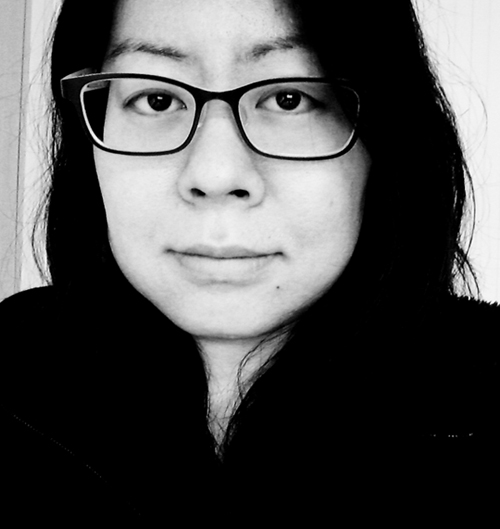
001_SujinLee_headshot_sSujin Lee has exhibited internationally.  Lee has been awarded residencies from Millay Colony for the Arts, Blue Mountain Center, I-Park and Newark Museum and participated in the Artist in the Marketplace program at the Bronx Museum of Art and the Emerge program at Aljira.  She was a 2012-2013 A.I.R. Gallery Fellow and is currently one of the 2014-2015 artists at Kumho Art Studio in Korea.  Lee holds a BFA in Fine Art from Maryland Institute College of Art.  She also has an MFA in Studio Art and an MA in Performance Studies, both from New York University.

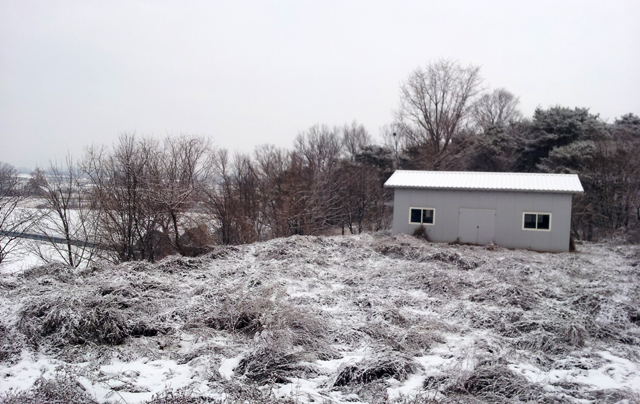
SujinLee_View from Studio

sujinlee.org

All images copyright of the artist and used with their permission. 
Posted in Performance, Video | Tagged , , , , , | Leave a comment

Tanya Ziniewicz – Baltimore, Maryland

Ascent 2, Acrylic on canvas, 15 x 30", 2014

Ascent 2, Acrylic on canvas, 15 x 30″, 2014

Briefly describe the work you do.

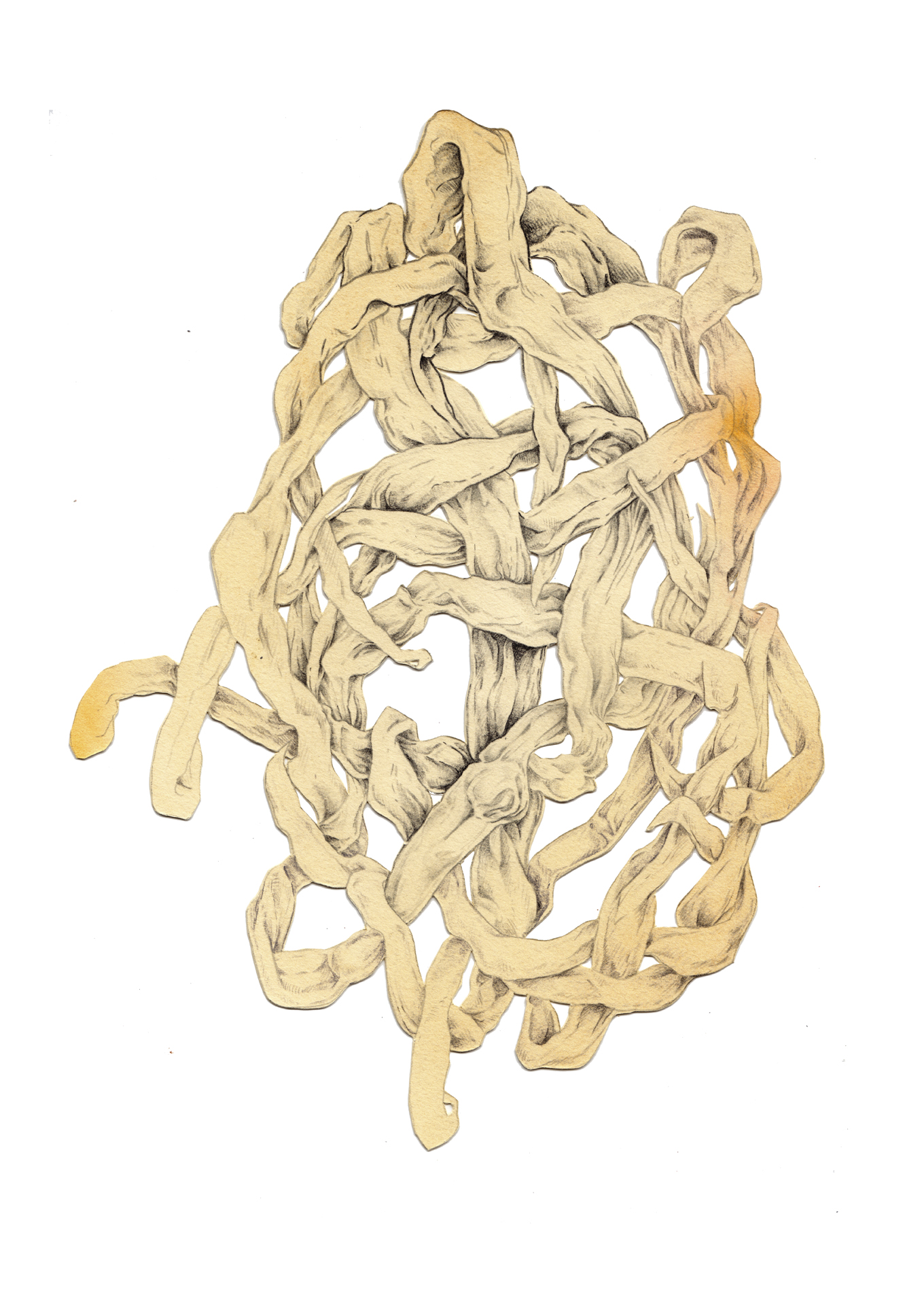
I investigate subtleties of human interaction, imagination, and transience through a network of organic linear forms that are continually emerging, growing, reaching, and intertwining. My paintings build and traverse paths between observation and invention, logic and emotion, similar to a mind filled with thoughts that sprout and extend, curl and unfurl, tangled like a mass of unwound string or a clustered mound of roots. The forms are invented, stemming from things such as rhizomes, ribbons, neurons, or strands of muscle tissue.

Tell us a little about your background and how that influences you as an artist.

As a child, I spent much of my time observing my surroundings and reflecting on the relationships between things. My father introduced me to concepts of East Asian philosophy at a young age, which influenced my fascination with the ephemeral, with the idea that everything is undergoing subtle and constant transformations.

Buoyant 1, Acrylic, marker, colored pencil on paper, 9 1/2 x 12", 2014

Buoyant 1, Acrylic, marker, colored pencil on paper, 9 1/2 x 12″, 2014

The concept of the “artist studio” has a broad range of meanings, especially in contemporary practice. The idea of the artist toiling away alone in a room may not necessarily reflect what many artists do from day to day anymore. Describe your studio practice and how it differs from (or is the same as) traditional notions of “being in the studio.”

My practice of actually producing artwork is fairly traditional, painting for hours at a time in my work space; however, I draw inspiration from many other areas of my life, so I am always seeking new input from observations in nature, social interactions, research, or simple meditation and reflection. Art-making is not isolated to the studio; rather, it is a manifestation of my thinking process, a creative byproduct of my other experiences.

What unique roles do you see yourself as the artist playing that you may not have envisioned yourself in when you first started making art?

Teaching at a university, I realize the potential for my motivation in creating and thinking about art to inspire my students. My excitement fuels theirs, and theirs fuels mine in return. When I first began teaching, I did not anticipate that this exchange of creative momentum would be so significant.

When do you find is the best time of day to make art? Do you have time set aside every day, every week or do you just work whenever you can?

My “studio” is in my kitchen, which makes it easy to roll out of bed and begin work first thing in the morning. I have always worked best early in the day, with a clear mind after a good night of sleep. My academic teaching schedule is such that I can set aside certain full days for painting, and I work best when I have a full focused work day, morning to night.

Detail of Ascent 1, Acrylic on canvas, 15 x 30", 2014

Detail of Ascent 1, Acrylic on canvas, 15 x 30″, 2014

How has your work changed in the last five years? How is it the same?

My work has evolved quite a bit over the past five years. I began exploring these ribbon-like forms in 2009, drawing in graphite. They were tightly wound, intricate mounds of strands that made up still, quiet landscapes. Since then, they have transitioned into bolder colors, expanded in size, and become more dynamic and expressive in character and movement.

Are there people such as family, friends, writers, philosophers or even pop icons that have had an impact on the work you do?

I value every conversation, observation, and question, from mundane to profound, and consider all of these experiences as influence and inspiration to my work. A few of the professors and colleagues who have helped me tremendously throughout the years: Ralph Woehrman, Holly Morrison, Andrew Raftery, Nancy Friese, Henry Ferreira, Tonia Matthews, Amanda Burnham.

If you had an occupation outside of being an artist, what would that be and why?

I thrive on visual stimulation, social interaction, and problem solving, so my occupation would have to be something that engages all of those things. I have been teaching drawing and printmaking at Towson University since 2008, and I find that helping individuals reach individual goals and find solutions to conceptual and technical problems is wonderfully challenging and rewarding. Other considerations include: Rock climber, children’s book author, or raw vegan chef.

About

1.Tanya.headshotTanya earned a BFA in Drawing from Cleveland Institute of Art in 2003 and an MFA in Printmaking from Rhode Island School of Design in 2006. She currently resides in Baltimore, MD and has been teaching at Towson University since 2008.

Ascent 3, Acrylic on canvas, 15 x 30", 2014

Ascent 3, Acrylic on canvas, 15 x 30″, 2014

paperandplate.com

All images copyright of the artist and used with their permission. 
 

Posted in Painting | Tagged , , , , | Leave a comment

Anne Krinsky – London, United Kingdom

Counterpoint, 2011, Acrylic & mixed media on panel, 36 x 24 inches

Counterpoint, 2011, Acrylic & mixed media on panel, 36 x 24 inches

Briefly describe the work you do.

I am a painter and printmaker and also make site-specific installations in response to archived collections. My work often begins with a grid. I find pattern and geometry everywhere — in the bilateral symmetry of a bird; light falling through Venetian blinds; or the cast matrix of a manhole cover. Grids give me a jumping off point — a scaffold on which to build an image or a series of works — or a structure to work against.

Although I trained as a printmaker at the University of the Arts in Philadelphia, I hadn’t made prints since art school. After moving to London in 2012, I returned to my printmaking roots, using print to create variations rather than editions. I printed the Edible Colour monoprints at the Thames Barrier Print Studio in 2013, from scored and perforated laser-cut plastic plates.

Tell us a little about your background and how that influences you as an artist.

 I grew up in Ossining, NY. My parents ran a bookstore before the advent of the large book chains. As a teenager, I worked there and helped build shelving when the shop expanded to larger premises. The family joke when we brought home a newly arrived art book was whether we should “accidentally” spill red wine or coffee on it and be forced to keep it at home. My work with archives originates in this personal history. My evolving Shelf Life Project is comprised of intimately scaled painted and printed panels, displayed on minimal white shelves. The panels’ imagery derives from artifacts in the collection of each exhibition venue.Shelf Life has been exhibited in library, museum and university settings in the US.

 My first project with a UK archive, Anne Krinsky: From Absorb to Zoom / An Alphabet of Actions in the Women’s Art Library, will be installed at two locations on the campus of Goldsmiths University of London in March 2015. The archive, started in the late 1970’s as an artist-led initiative to enhance public knowledge of the practice, impact and achievement of women in the visual arts, houses unique documentation of women artists’ works. My digital print installation takes inspiration from archived slides, artists’ books, magazines, monographs and posters in the collection. The project is funded by Arts Council England, the Thames Barrier Print Studio and a successful Kickstarter campaign that generated donations from around the world.

Women Artists News Book Review 2, 2015, Archival Digital Print on German Etching paper, Image size: 40 x 20 inches

Women Artists News Book Review 2, 2015, Archival Digital Print on German Etching paper, Image size: 40 x 20 inches

The concept of the “artist studio” has a broad range of meanings, especially in contemporary practice. The idea of the artist toiling away alone in a room may not necessarily reflect what many artists do from day to day anymore. Describe your studio practice and how it differs from (or is the same as) traditional notions of “being in the studio.”

Recently my practice has become more project and research-based and a good portion of my time now consists of gathering visual information through travel, photography or archival research, all outside of the studio. For example, in 2014, I received an Artists International Development Fund Grant from Arts Council England and the British Council to research traditional textiles in India. I traveled to Delhi for a residency at the Sanskriti Foundation and to Jaipur for block-printing workshops. I made the Phulkari series of acrylics on sturdy Indian papers in response to Phulkari embroideries from the Punjab I had seen in the collection of the Delhi Craft Museum.

What unique roles do you see yourself as the artist playing that you may not have envisioned yourself in when you first started making art?

Although my work is mostly abstract, there is a narrative element to the artworks I make. Through my work with archives, I am reflecting on and interpreting various histories —  of cultural artifacts and of their creators. In my project with the Women’s Art Library, I am working with documentation that intersects with my own experience — telling both my story and a parallel narrative of the larger community of women artists.

In tandem with From Absorb to Zoom / An Alphabet of Actions in the Women’s Art Library, I have invited selected artists with documentation in the Women’s Art Library to send me images of recent work to post on The Virtual Archive on the project blog:

http://annekrinskyfromabsorbtozoom.blogspot.co.uk

I also have written on the visual arts for The Wall Street Journal Europe and Art New England.

When do you find is the best time of day to make art? Do you have time set aside every day, every week or do you just work whenever you can? 

So much depends on the physical circumstances and the work I am making. I usually try to swim or walk before I get to the studio. I now have a long commute, whereas my previous studio was in my home. I generally arrive in late morning and work through the afternoon, usually four days a week. I try to spend two other days at home on the business aspects of being an artist. At the moment, my current project involves digital print and blogging, and I am slogging away on the computer every day.

Juan Canary 2, 2013, Monoprint on 400 gram Rives BFK,  Image: 16 x 12 inches printed on 30 x 22 inch paper (cropped in photo)

Juan Canary 2, 2013, Monoprint on 400 gram Rives BFK, Image: 16 x 12 inches printed on 30 x 22 inch paper (cropped in photo)

How has your work changed in the last five years? How is it the same?

Perhaps in response to a geographical move and the contingent necessity to “reinvent” oneself, I am experimenting with new ways of working, ranging from making monoprints on the etching press to working with digital print for the first time. It’s exciting to translate a longstanding visual vocabulary into new contexts. In the process of creating funded projects in the UK, I am focusing more on public engagement and building an audience.

Until this year, I have created artworks in a physical and tactile way. Designing images on the computer and printing them out, as I am doing for my current project, is a huge departure from previous practice. I have been surprised to discover how lush, and almost painterly, the surface of a digital print can be and the way in which it can convey the layered history of its making.

Are there people such as family, friends, writers, philosophers or even pop icons that have had an impact on the work you do?

I have been influenced by many artists, including Dorothea Rockburne, Brice Marden and Jennifer Bartlett. Anne Truit’s diaries were inspiring as were her painted sculptures. Since moving to London, I belatedly have discovered the work of Tess Jaray.

Artist friends and collectors, who have sustained my practice over the years, again showed their support by backing my recent Kickstarter campaign for my Women’s Art Library project.

If you had an occupation outside of being an artist, what would that be and why?

 In my next life I would be a musician.

About

Anne Krinsky headshotAnne Krinsky is a London-based painter and printmaker who creates site-specific installations in response to archived collections. Her previous installations with archives have been exhibited in library, museum and university settings in the US, most recently in her 2013 solo show, Anne Krinsky: Reconfigurations, at The Art Complex Museum in Duxbury, MA.

Anne Krinsky: From Absorb to Zoom / An Alphabet of Actions in the Women’s Art Library, is her first installation with a UK archive. It is a digital print installation with content derived from materials in the Women’s Art Library at Goldsmiths University of London. The show will be installed at two Goldsmiths locations from March 2 through 30, 2015.

Krinsky’s work is in many collections, including the British Museum, the Boston Public Library, the Graham Gund collection and the U.K. charity, Paintings in Hospitals. She is represented in Boston by Soprafina Gallery. In 2010, Krinsky was the Goetemann Artist-in-Residence at the Rocky Neck Art Colony in Gloucester, MA. She also has had residencies at the Virginia Center for the Creative Arts, Vermont Studio Center, Millay Colony, Sanskriti Foundation, Delhi, India; Fundacion Valparaiso, Spain; and Brisons Veor, England.

Since moving to London in 2012, Krinsky has been awarded a Grant for the Arts from Arts Council England and an Artists International Development Fund Grant from the British Council and Arts Council England.

Anne Krinsky in studio

annekrinsky.com

All images copyright of the artist and used with their permission. 
Posted in Installation, Printmaking | Tagged , , , , | Leave a comment

Patrick Santos – San Francisco, California

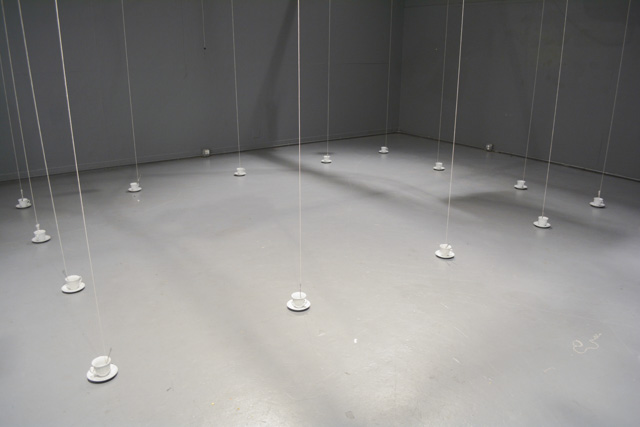
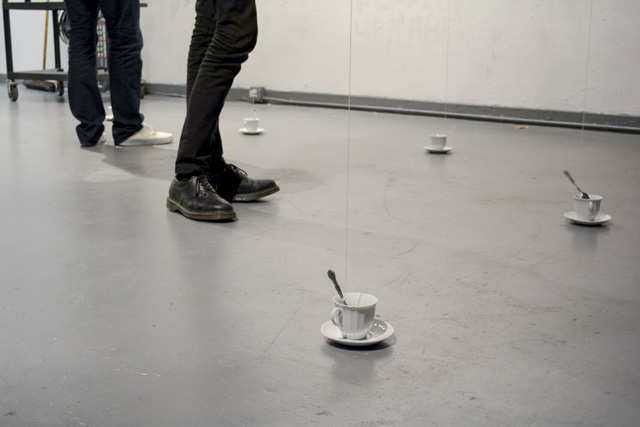
Patong Tea cups, saucers, tea spoons, thread, disco ball motors 2013

Patong Tea cups, saucers, tea spoons, thread, disco ball motors 2013

Briefly describe the work you do.

My work is greatly inspired my personal life. I tend to work in photography, video and installation. I use objects found in gatherings, parties and groups because I am interested in the temporality, disposability and mass produced quality of ‘party’ objects.

Tell us a little about your background and how that influences you as an artist.

As a queer person, that itself influences my art greatly. When I am doing my projects, especially my documentary photography work, I can imagine my work through a neutral non-judgmental perspective.

The concept of the “artist studio” has a broad range of meanings, especially in contemporary practice. The idea of the artist toiling away alone in a room may not necessarily reflect what many artists do from day to day anymore. Describe your studio practice and how it differs from (or is the same as) traditional notions of “being in the studio.”

My studio is a place where I can keep my art making separate from my home life. In my studio I mostly work on the floor because I need a large amount of space that a table cannot give me. Which means my tools are on the floor, I sit on the floor, pretty much everything is low which is how I like to work.

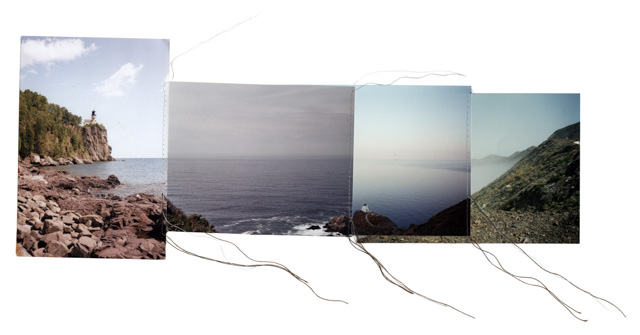
Sewn Found photography, string various sizes 2014

Sewn Found photography, string various sizes 2014

What unique roles do you see yourself as the artist playing that you may not have envisioned yourself in when you first started making art?

In my photography work, I never thought I was going to make art that was more than just creating photographs. I’ve experimented in video, collage, and installation with my photography work. I believe that experimentation is important and everyone should step out of their comfort zone.

When do you find is the best time of day to make art? Do you have time set aside every day, every week or do you just work whenever you can?

Making art is not on a set schedule. Thats why I have my pocket book to write down all the ideas that randomly come to me even when they are not the best ideas or seem impossible to make.

Patong (Detail)

Patong (Detail)

How has your work changed in the last five years? How is it the same?

Well 5 years ago I was graduating from high school knowing that I wanted to pursue a career in photography. Within those 5 years I moved to San Francisco to study art, experimented in different media, and met influential artists. My artwork was not like how it was when I started and I am surprised with what I have created.

Are there people such as family, friends, writers, philosophers or even pop icons that have had an impact on the work you do?

My family is definitely is a factor in how I do work. They have always supported me and never made me second guess my decisions. A few artists than inspire me are Roman Signer, John Stezaker, and the artist’s work that influenced me to pick up the camera in the first place is Natsumi Hayashi.

If you had an occupation outside of being an artist, what would that be and why?

I feel like I would be a great chef. Similar to art I still get to be creative with my hands, theres some kind of process, and I get to learn about other cultures and their history. I actually contemplated going to culinary school but making art seemed more exciting to me.

About

HeadshotBorn and raised in sunny southern California, Patrick Santos was always interested in cameras. Growing up, the thought of capturing anything with a camera interested him greatly which led him to explore film and photography.Patrick has moved to San Francisco in 2012 to pursue his BFA in Fine Art Photography.

Since then, Patrick has explored new media of creating conceptual art which included video, collage, and installation. This inspired him to pursue a minor in New Genres with his BFA in Photography (expected graduation date 2015).

Today, Patrick explores the ideas of the gatherings, parties, and group dynamics by using readymades, digital photography, and found photography in his conceptual art.

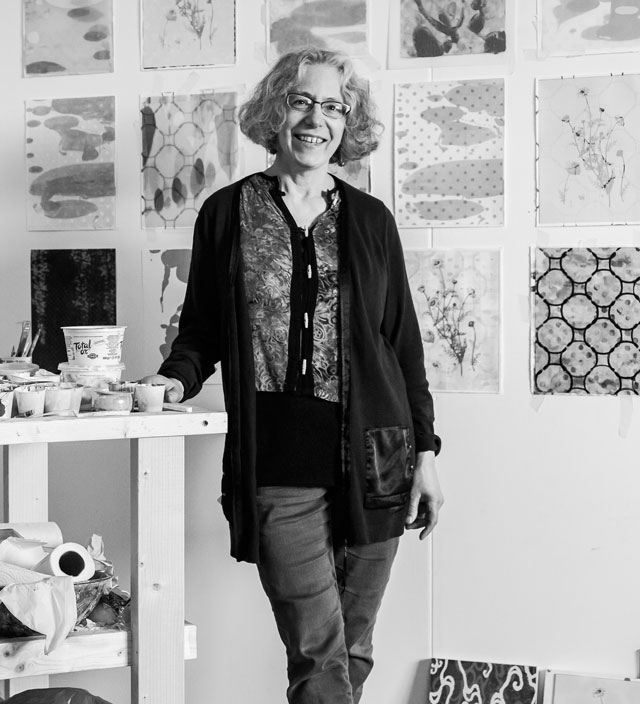
Studio Detail

patricksantosart.com

All images copyright of the artist and used with their permission. 
Posted in Photography | Tagged , , , , | Leave a comment