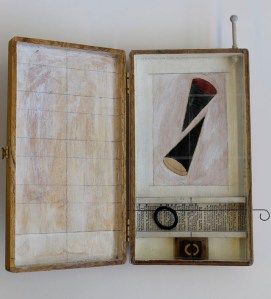
John Paul Gardner – Sauquoit, New York

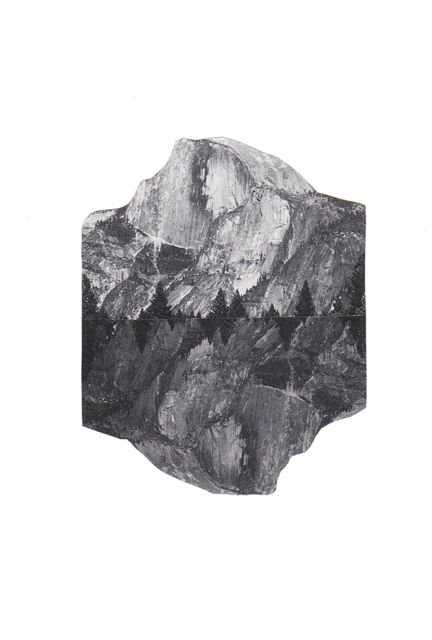
Geodesic, Collage, 4" x 6", 2013

Geodesic, Collage, 4″ x 6″, 2013

Briefly describe the work do you do.

I am a multi-media artist working with collage, drawing installation and new media. 

At what point in your life did you decide to become an artist?

I’ve wanted to be an artist as far back as I can remember. Junior year in high school I made a conscious decision to go for it.  I dropped my accelerated math and science classes and took portfolio development instead. 

Tell us a little about your background and how that influences you as an artist.

I grew up in the rural town of Sauquoit and spent most summers in the Adirondack Park of upstate New York. These experiences shaped my appreciation of the nature, a constant source of inspiration for my work.

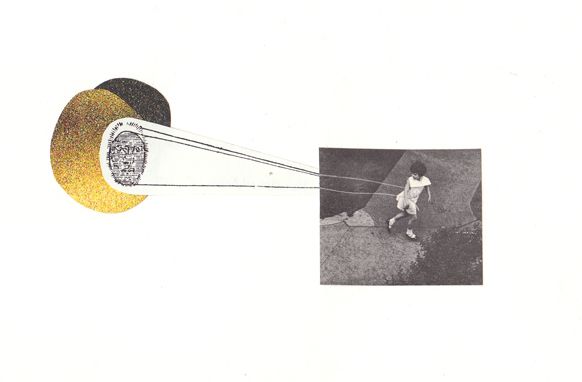
Follow Me, Collage, 4" x 6", 2013

Follow Me, Collage, 4″ x 6″, 2013

What types of conceptual concerns are present in your work? How do those relate to the specific process(es) or media you use?

My work is currently concerned with concepts of the natural or more appropriately what is natural.  Is there such a thing as nature? Or is it an idealized concept?  My work delves into my nostalgic reflections of my past experiences with hiking, travel and the Adirondack environment. 

Reflection, Collage, 4" x 6", 2013

Reflection, Collage, 4″ x 6″, 2013

We once heard Chuck Close say he did not believe in being inspired, rather in working hard everyday. What motivates you in your studio practice?

A daily practice is crucial to the success of an artist.  If I do not make art I feel empty.  Its a crucial part of my existence to be whole. 

What artists living or non-living influence your work?

Andy Goldsworthy, Olafur Eliason, Josh Keys, Robert Smithson and Michael Heizer.   

When you are not making art what types of activities and interests do you engage in? 

I am usually taking part in some kind of adventure sport including: hiking, mountain biking, kayaking, backpacking or trail running.  

About 

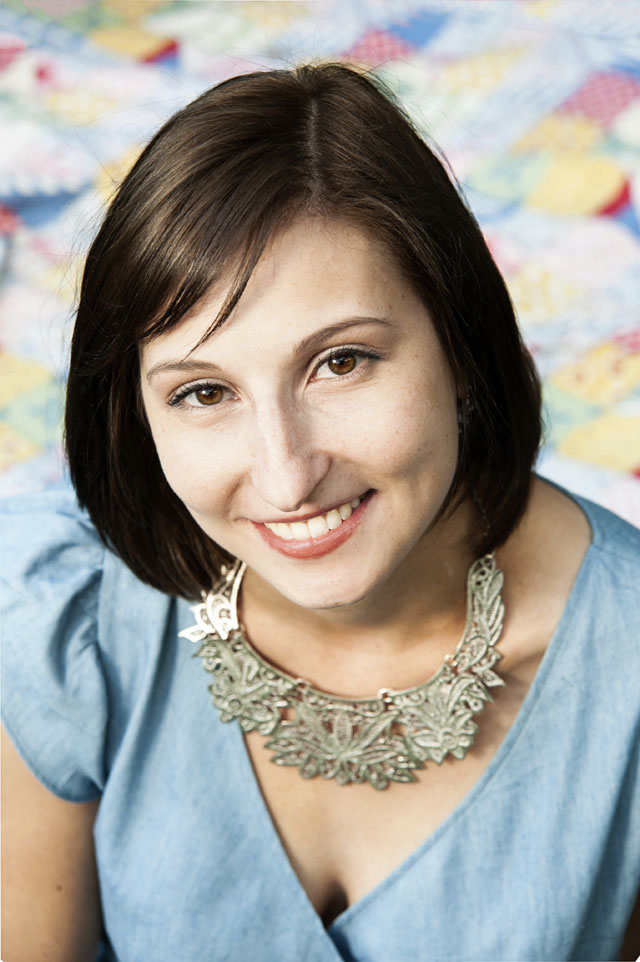
OLYMPUS DIGITAL CAMERAJohn Paul Gardner is a prolific multi-media artist who has received numerous awards, grants and recognitions for his work. Gardner’s mixed media collage work is in many private and public collections and is currently represented by Cureeo Gallery.  A recent highlight includes JP’s first large scale Museum installation at the Brattleboro Museum and Art Center in Vermont. 

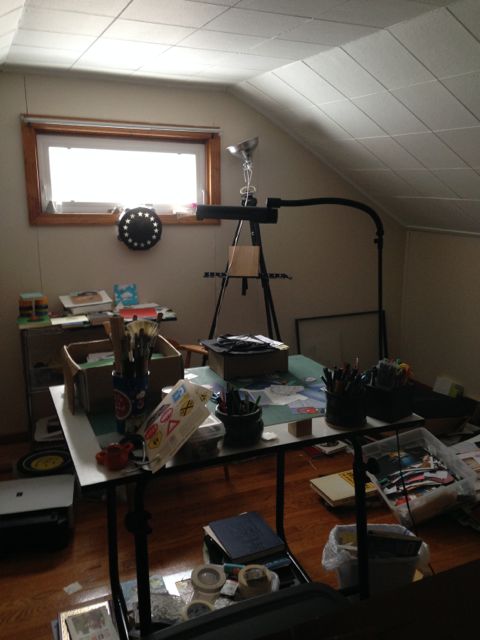
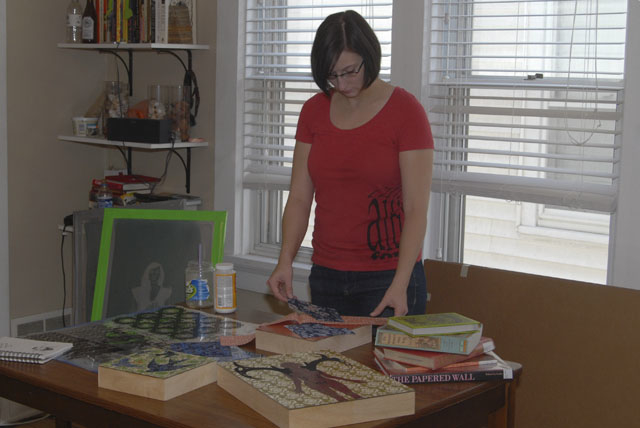
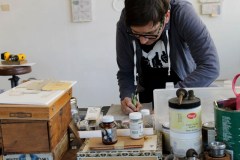
The studio

The studio

www.johnpaulgardner.com

All images copyright of the artist and used with their permission. 

Posted in Installation, mixed media | Tagged , , , , | Leave a comment

Tonia Klein – Milwaukee, Wisconsin

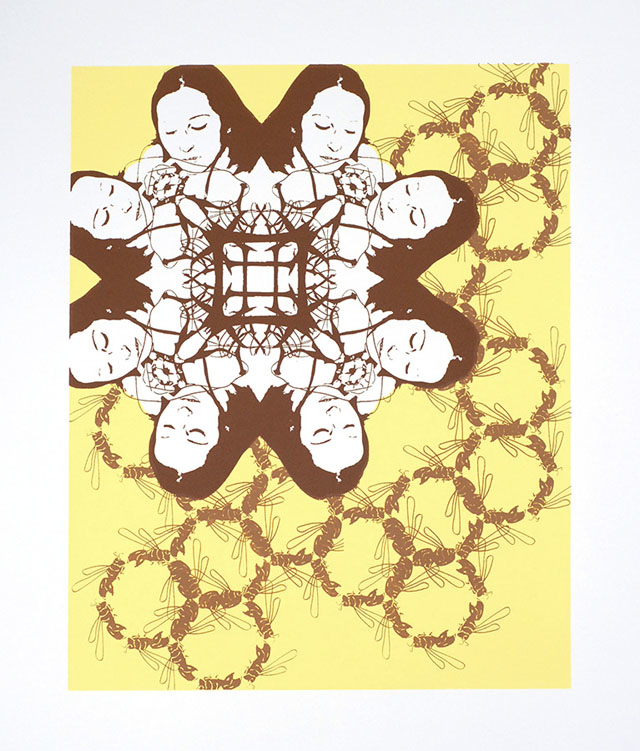
Melissa 2012 Screen print on Reeves BFK 13.25” x 16”

Melissa
2012
Screen print on Reeves BFK
13.25” x 16”

Briefly describe the work do you do.

My work is fairly representational and colorful.  Painting, printmaking, photography, and collage are central components of my practice.  Recently, I have been combining each of these methods.  I digitally create large areas of complex and specific patterns from my photos and use them in my screen prints.  By making my own digital patterns I have a greater control over the metaphors within my work. My most recent work involves having the patterns I create cut out of vinyl, which I then install on gallery windows, walls, or Plexiglas sheets.

At what point in your life did you decide to become an artist?

As a child I was always very creative. I didn’t just draw; I made all types of things and had many creative hobbies. It wasn’t until the end of my high school career that I started to identify myself as an artist.

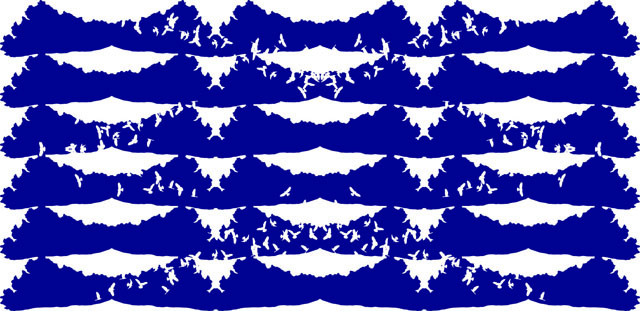
Cumulus Migration 2013 Vinyl on Plexiglas 60” x 30”

Cumulus Migration
2013
Vinyl on Plexiglas
60” x 30”

Tell us a little about your background and how that influences you as an artist.

I grew up in Wisconsin, but traveled a lot. I have always loved to read, and been interested in fairytales and mythologies from all over the world.  Reading allows me to travel in my head when I can’t travel in real life. It also allows me a glimpse into what people where thinking about hundred of years ago. I’m very interested in history and archaeology, and which I feel connects with my interest in how mythologies begin and evolve.

What types of conceptual concerns are present in your work? How do those relate to the specific process(es) or media you use?

My work is influenced by fairy tales and world mythology.  I use these as a basis for sharing personal stories.  I concentrate on the role of women in society, drawing correlations between the past and today. The images I create contain metaphors, which relate to archetypes from fairy tales.  I use animal and human figures to create unexpected patterns and new narratives that are both of this world and not.
 
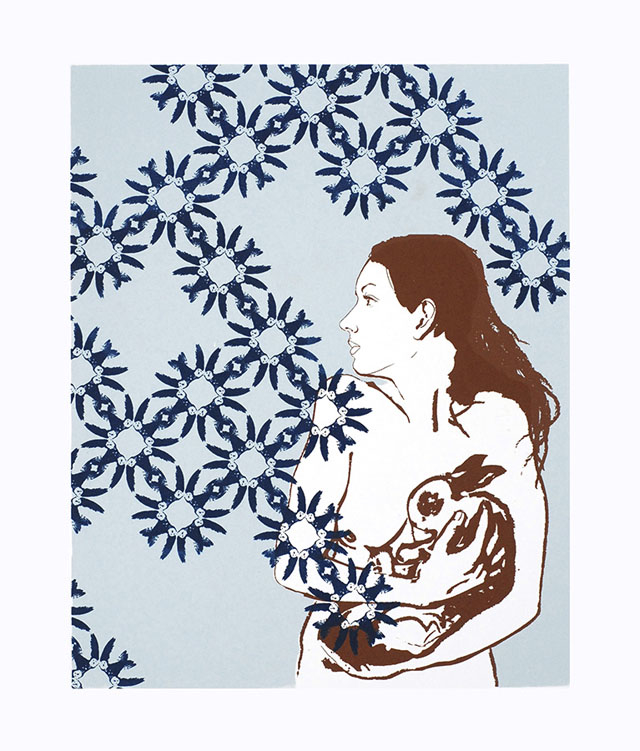
Sofia 2012 Screen print on Reeves BFK 13.25 x 16”

Sofia
2012
Screen print on Reeves BFK
13.25 x 16”

We once heard Chuck Close say he did not believe in being inspired, rather in working hard everyday. What motivates you in your studio practice?

If I have an image in my mind that I really want to create, then I manage to make a lot of time to be in the studio. If I don’t have something already in mind, I do research. My research often involves reading and investigating the names for things and where they come from. Word etymology has been providing a lot of creative fuel for me lately. I also spend time looking for exhibition opportunities. This gives me deadlines that help motivate me.

What artists living or non-living influence your work?

Sally Mann

Kara Walker

Arthur Rackham

J.W. Waterhouse

When you are not making art what types of activities and interests do you engage in? 

Reading and gardening. Plants have been playing a larger role in my art, as well as the folklore related to them. 

About 

ToniaKleinTonia Klein received her Bachelors of Fine Art in Painting from Milwaukee Institute of Art & Design in 2007. She had her first solo international exhibition “Recurrence” at Flash Atoyle, in Izmir, Turkey in January 2013. She received a Mary L Nohl Travel Suitcase Grant for this exhibition. She has also participated in several national exhibitions. Tonia Klein lives and works in Milwaukee, WI. 

Studio

Tonia in her studio

www.toniaklein.com

All images copyright of the artist and used with their permission. 

Posted in Painting, Photography | Tagged , , , , | Leave a comment

William Zuback – West Allis, Wisconsin

The Dance

“The Dance”
archival pigment print
16×20″
2013

Briefly describe the work you do.

I am a photographer. I create portraits and staged tableaux’s that most often express idea’s and emotions of identity.

Tell us a little about your background and how that influences you as an artist.

I went to Brooks Institute in CA and received a BA in photography. I have experienced and observed society’s, individuals and families reactions to peoples identity and differences. It’s a main narrative in my photographs. It is important for me to tell my visual narratives with well crafted photographs. Process and craft is an important part of my work.

The concept of the “artist studio” has a broad range of meanings, especially in contemporary practice. The idea of the artist toiling away alone in a room may not necessarily reflect what many artists do from day to day anymore. Describe your studio practice and how it differs from (or is the same as) traditional notions of “being in the studio.”

My studio is my creative space to both work and relax. I find inspiration in the way I chose to decorate my studio environment. It is often a hang out for other artists to come and talk about art and life, usually over a glass of whiskey. Most of the photographs I create are visualized and brought to fruition with in the four walls of my small creative space.

Transcending

“Transcending”
archival pigment print
16×20″
2013

What unique roles do you see yourself as the artist playing that you may not have envisioned yourself in when you first started making art?

When I first began making art is was all about the process. That is still an important component in my art but I have become a much more public person, both in promoting my own art and that of fellow artists. I’ve discovered and realized the importance of a strong artist network and I work hard to cultivate that environment. I have also taken on the role of teacher, sharing my knowledge of the art and craft of photography in a university setting.

Caged Bird Sings

“Caged Bird Sings”
archival pigment print
16×20″
2013

When do you find is the best time of day to make art? Do you have time set aside every day, every week or do you just work whenever you can? 

I work when ever I can. My full time job managing a photo studio for a publishing company, teaching and personal obligations forces me to be very fluid with my time and availability with conceptualizing and creating my art.

How has your work changed in the last five years? How is it the same?

I used to do a lot more still life work and now, especially since finishing my latest Identity Project series, I’ve moved my attention more to photographing people. What is the same is that my narrative tends to still focus on issues of identity and family.

Caged Birg Sings - detail

“Caged Birg Sings” detail

Are there people such as family, friends, writers, philosophers or even pop icons that have had an impact on the work you do?

I really consider myself an outside artist since I have been educated in photography and not art and art history. My work has been and continues to be very organic and personal. Growing up my greatest influence has been the album artwork of bands/musicians of the late 1960’s and 70’s.

If you had an occupation outside of being an artist, what would that be and why?

I make my living as a professional photographer. This work has creative elements but it’s about commerce and not art. I enjoy it immensely and it helps to fund my art. I also enjoy and appreciate the separation of the two because it keeps my art personal and less about having to sell it to make ends meet.

WilliamZubackHeadshotAbout William Zuback

William Zuback began his career as a professional photographer in 1988 after graduating from Brooks Institute, in Santa Barbara, California. He has been making his living as a professional photographer ever since, currently managing the studio for a magazine and book publishing company in Waukesha,Wisconsin.

Inspired by the classic album covers of the 1960’s and 70’s, Zuback has been creating conceptual/staged contemporary photographs for exhibition since the late 1990’s. His narratives generally deal with issues of family and identity, in an often surreal style. His most recent work explores identity with the nude figure as portrait.

William working

William working

Zuback’s work can be found in private collections through out the country. He has participated in many Juried group exhibitions and solo shows in Southeastern Wisconsin. Zuback has curated the exhibition, Madonna & Child: Interpreted, 2011 for Gallery H2O, Milwaukee, Wisconsin and co-curated the exhibition, What She Said: Wisconsin Photography Now, 2012 for Effjay Projekts gallery in Sheboygan, Wisconsin.

Zuback often considers or describes himself as a fly on the wall. Always in a state of observation, testing the surroundings, and at times participating. His goal as a fine art photographer is to take those observations and life experiences and create visual statements that really become a mirror for the viewer. When people view Zuback’s photographs, he would like the viewer to come away feeling visually satisfied but intellectually curious.

William's studio

William’s studio

Fav-Place-in-Studio-wrzwww.williamzubackphotographs.com

All images copyright of the artist and used with their permission. 

Posted in Photography | Tagged , , , , | 1 Comment

Jason Ackman – Rushville, Illinois

Turning Point

“Turning Point”
reclaimed lumber and rope
72x78x156″
2011

Briefly describe the work do you do.

I create sculpture and installations from reclaimed materials, specifically lumber and clay. Most of the work I create revolves around realistic interpretations of objects that are ordinary, outdated or utilitarian. These objects are rich with meaning and significance. Many times they have outlived their usefulness or purpose. Their place as forgotten objects allows us to see them re-imagined- we are able to see their metaphorical potential because we are able to distance ourselves from their original intent or purpose. My work explores these alternative or re-imagined meanings as they relate to the concepts of transition and discernment.

At what point in your life did you decide to become an artist?

I have always enjoyed creating.  I studied art in college, yet it was not until the last 4 or 5 years that I made the move to take creating much more seriously.  It has been during this time that I feel I have been creating my most personal work.

Tell us a little about your background and how that influences you as an artist.

I live in the same small, rural town I was born and raised in.  I have left a few times, yet not for very long.  I continue to try and leave but for some reason or another I don’t seem to make it very far.  I spent much of my childhood in grocery stores since my father managed several different ones in our town. I am also a Christian.  All of these things have influenced my current body of work.  I find myself processing ideas and concepts that are deeply connected to these three areas.

Discern

“Discern”
reclaimed lumber, reclaimed clay, latex house paint and electric light fixtures
28′ x 33′ x 22′
2013

What types of conceptual concerns are present in your work? How do those relate to the specific process(es) or media you use?

Everything I create is recognizable to the average person.  The objects I create are also symbolic of a specific idea or concept.  My use of reclaimed materials is also very important to me as well.  There is something about reusing some that is discarded and seen as useless.

Breach

“Breach”
reclaimed lumber, latex house paint and beeswax
95″ x 38″ x 24″
2012

We once heard Chuck Close say he did not believe in being inspired, rather in working hard everyday. What motivates you in your studio practice?

Challenges and new ideas.  I am a problem solver.  I really enjoy the challenge of planning out a piece.  Also knowing when I will have a chunk of time to work.  Currently I am not able to work as an artist full-time.  Studio time is precious to me.

When artists living or non-living influence your work?

Marisol Escobar, Willy Verginer, Gehard Demetz, Kcho, Jasper Johns, Robert Rauschenburg, Folkert de Jong, Chad Wys, Erik Otto, Ursula von Rydingsvard and David Nash to name a few.

When you are not making art what types of activities and interests do you engage in? 

I really enjoy baking, specifically bread.  Spending time with my family, Bike rides. Reading. Starring at the clouds during the day and the stars at night.

IMG_5932About Jason Ackman

Jason Ackman is a high school art teacher and sculptor living in west central Illinois with his wife and two daughters. He received his BA from Western Illinois University and for the past 14 years he has been teaching a wide range of studio art classes at Rushville-Industry High School. His studio practice over the past two years has been focused on the use of reclaimed lumber as a sculptural medium. Recent group exhibitions include 64 Arts National Juried Exhibit, Buchanan Center for the Arts, Monmouth, IL., Art Saint Louis XXVIII: The Exhibition, Art Saint Louis, St.Louis, MO., and Play, Urban Institute for the Contemporary Arts, Grand Rapids, MI.

Jason working

Jason working

www.jasonackman.org

All images copyright of the artist and used with their permission. 

Posted in Installation, mixed media, Sculpture | Tagged , , , , , | Leave a comment

Josie Osborne – Milwaukee, Wisconsin

Turning (for Yeats and A.M.)

“Turning (for Yeats and A.M.)”
Assemblage Box
14” x 14” x 2”
2013

Briefly describe the work you do.

My work takes the form of mixed media assemblage boxes, collage, intaglio prints, wall installations and drawings…and any combination of the above. The work is quiet, contemplative and simultaneously playful and serious. Like our minds, which hold and filter memories, imaginings, ideas, epiphanies and day-to-day experience, my work brings together my life experiences and thoughts with quirky associations in response to found objects and a quiet, somewhat playful studio creation process. I think that in that play, some very serious things happen.

Tell us a little about your background and how that influences you as an artist.

My mother is a painter and my father was an architect. They homesteaded in a one room log cabin outside of Fairbanks, Alaska. I was born in Alaska but we moved to Wisconsin when I was a kid. I moved back there as a young adult for a year. So, the Alaskan part of my identity and my family history (Dad had been born and raised in Fairbanks with its extremes in dark/light and temperatures) was a force within me, with lots of family lore told through growing up. When I lived there as a young adult, I understood better how powerful that identity aspect was to me. Alaskans sort of behave as though they are a country unto themselves, with challenges and benefits that are very different from the lower 48. I was also raised Christian Scientist and though I was somewhat skeptical of organized religion, being saturated with it growing up definitely helped to shape me. Also realizing that I didn’t fit the heterosexual female norm has helped to shape who I am as a person and as an artist.

Though I always liked making things, I started as an Art History major—that exposure has certainly influenced me. I also had thought about going into architecture but realized that I wasn’t so interested in actually building full scale structures, but was more interested in the marks and symbols used and the imagined spaces of small-scale models. In undergrad and beyond I used the architecture of the city as my muse…I started out drawing and painting cityscapes where the buildings took on a life of their own. The architectural influences are still present in my work today, though in a more abstract way.

I also have always found comfort in poetry and the written word. That has played a role in my work, either literally in the form of printed text or figuratively, in the act of creating poetic objects or responding directly to the work of poets and writers.

Travel has been important to me. And whenever I travel, I look at lots of art and architecture. Those visual experiences find their way into my work.

Collage has helped me to explore juxtapositions of seemingly unrelated things that when placed together created new meaning in the space between them. There were parallels in that process to life, to improvisation and the happy accidents or orchestrated moments of our human experience…to realize that there are relationships between all things and that there is something to be learned or said in that space between.

For years I didn’t have a television and even now if I watch something it is selectively, not commercial television. I am very sensitive to and critical of/aware of how mass media dumbs down complex issues, manipulates the viewer, instills fear and contributes to many of the problems that we have in our culture. I seek out news from trusted alternative sources and if I watch a show that was made for television it will be on my own terms without commercials and with a critical eye. That defiance or reigning in of a powerful and heavily orchestrated media force has certainly helped to shape my worldview as well as the rhythm of my life and focus as an artist and teacher.

Though I am quite politically and socially active my studio work often provides a balance to those other aspects of my life. When my life is busiest or the world is going most haywire, my work tends to get more quiet and contemplative in response.
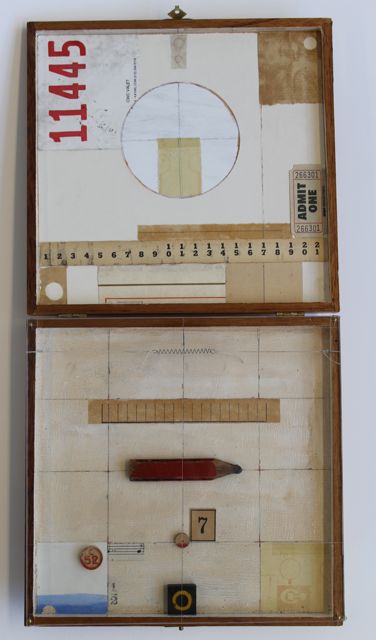
Measure (admit one)

“Measure (admit one)”
Assemblage Box
10” x 20” x 2”
2013

The concept of the “artist studio” has a broad range of meanings, especially in contemporary practice. The idea of the artist toiling away alone in a room may not necessarily reflect what many artists do from day to day anymore. Describe your studio practice and how it differs from (or is the same as) traditional notions of “being in the studio.”

I sometimes work collaboratively and sometimes in solitude. I spend a great deal of time in my daily life around people, so the time spent alone in the studio is a necessary reprieve. Being in the studio often happens between other things, meetings with students or colleagues, before or after class. And since my studio building is in a space where colleagues and students are also working, there is still a sense of community there, an awareness of others…certainly not the loft rat image of the lone studio artist from decades past.
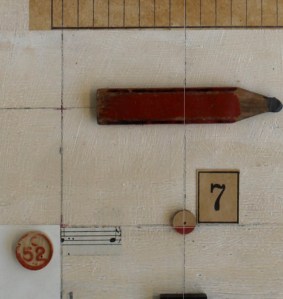
Measure (admit one)

“Measure (admit one)” detail

What unique roles do you see yourself as the artist playing that you may not have envisioned yourself in when you first started making art?

I never thought, when I first started making art, that I would end up teaching in a college program, especially the very same one where I first started to imagine myself as an artist. I never thought that I would be working with so many amazing emerging artists both in school and beyond school. I never thought that I would enjoy the administrative side of creating opportunities for artists with writing artist statements, bios and professional CV materials, proposals, etc, coaching them and mentoring them.

I also never thought about the artist as curator and did not anticipate how much I would enjoy that wearing that hat, seeing relationships between artist’s works and bringing their works together to create a dialogue, helping other artists who have great potential get opportunities. I like helping those who were previously non-art viewers see the potential for enriching their lives by experiencing and understanding art.
Osborne_Working_StudioWhen do you find is the best time of day to make art? Do you have time set aside every day, every week or do you just work whenever you can? 

I work whenever I can. But it tends to happen in fits and starts. While I have Fridays and sometimes Saturdays set aside for studio work, I am looking at art, attending exhibitions, artist’s talks and reading or watching videos about artists throughout the week. In the studio I like to get in early in the day if possible to get started when the light is bright and my mind is fresh and relaxed. But I will take studio time wherever/whenever I can get it.

How has your work changed in the last five years? How is it the same?

My work has changed somewhat in the last five years in that it has become less object (box or print) oriented and more installation, creating a gathering of objects, drawing and tailoring the piece to fit the exhibition space and the works around it. I still conceive of them and create them primarily as individual elements and bring them together in response to the exhibition or the space.

Are there people such as family, friends, writers, philosophers or even pop icons that have had an impact on the work you do?

I already mentioned that my mother is a painter and my father was an architect. Both of them influenced me early on and since my dad’s death, I think that there are elements of architecture in much of what I do.
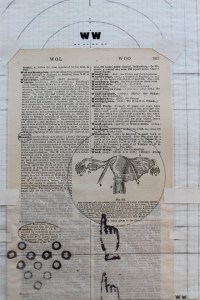
Study print

Study print

Many artists and teachers have influenced me either directly or indirectly. But in addition, numerous poets and writers have had all manner of impact on me. Over the years, poetry has offered me solace, comfort, insight and has led to some of the imagery that I have used. Most recently, I have been returning to the work of Mary Oliver.

Other things that I have read or listened to have helped me to frame my work and my process within a larger cultural framework. Some of my work came out of working through loss and understanding the beauty and complexity of relationships that make us feel loss deeply. Some artist friends shared his work with me and after reading more Derrida’s ideas about that helped me to think about that aspect of the work more deeply and in a way that is connected not just to my life but to the broader human experience.

I sometimes feel as though I am not fully aware in the moment where the work is coming from as I am making it, but sometimes it is inspired by something that I have heard on the radio about our expanding universe, the disappearing Y chromosome, a sense of wonder about an experience, a line from an Emily Dickinson or Walt Whitman poem. All of these things can come together in my work that is an extension of my life…and often a quiet balance to its frenetic pace.

If you had an occupation outside of being an artist, what would that be and why?

Hmmm, that is a tough one. I have realized that I love landscape design and gardening. It feeds me in similar ways to my studio work. I have become mildly obsessed with working the earth and collaborating with the natural world in recent years and have helped others with their garden design ideas. I enjoy most those gardens that are both beautiful and functional…growing edible or medicinal, beautiful plants and flowers that thrive in this climate and that together create an amazing visual, textural, olfactory experience that changes throughout the day and the seasons. Gardening is full of surprises, challenges, opportunities and change.
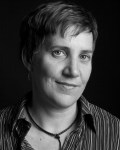
365_Osborne_Headshot_Miyazaki_photocredAbout Josie Osborne

Josie Osborne is an artist and Director of the First Year Program in Art and Design at UW-Milwaukee, Peck School of the Arts where she also teaches. She recently left the City of Milwaukee Arts Board where she had served for 12 years and has received Mary Nohl Suitcase Fund support for two travelling exhibitions of her work. She has also curated and co-curated numerous exhibitions including Quiet at Walkers Point Center for the Arts, Miller and Shellabarger: Hiding in the Light at Inova Gallery and many others. Osborne received her Master of Fine Arts in Graphics (printmaking) from the University of Wisconsin – Madison and her BFA in Painting and Drawing from UW-Milwaukee.

Select exhibitions include: Fabulous Women Show and Top Drawer Prints (at Peltz Gallery in Milwaukee), In the Balance, (Walkers Point Center for the Arts), Thread (invitational at UNC-Charlotte); 5IVE (traveling exhibition: Walkers Point Center for the Arts, Milwaukee and Flagler College Carrera Gallery, Florida); Art Chicago (Hotcakes Gallery); Art Basel Miami (Hotcakes Gallery); Things Avian and Architectural (solo exhibition at Sharon Lynn Wilson Center for the Arts); Proscenium (solo exhibition at Wisconsin Academy of Science, Letters and the Arts), Wisconsin Painters and Sculptors Biennial, A Decade of Wisconsin Art (invitational, James Wattrous Gallery, Madison Overture Center), Diabolique (curated by Fred Stonehouse); UWM and MIAD Faculty Exhibitions. Osborne’s work has also been reproduced in literary journals and professional magazines, including The Cream City Review and the Madison Review.

Josie's studio

Josie’s studio

Josieosborne.net

All images copyright of the artist and used with their permission. 

Posted in mixed media | Tagged , , , , , | Leave a comment

Matthew Gualco – Brooklyn, New York

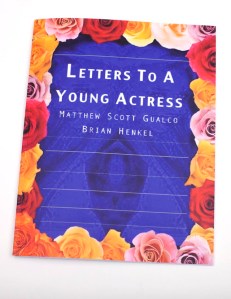
Letters To a Young Actress

“Letters To a Young Actress”
Type and illustration on paper
8×10″
2013
illustrations by Brain Henkel

Briefly describe the work you do.

My work forms an allusive hybrid between drawing and literature by interjecting the subject matter with literature and symbols.  There is rawness in the manner that is within the understanding of the viewer. Based on my experiences and everyday life, I portray society with all of its imperfections that we all enjoy.  Society is placed starkly into traditional literary formats of screenplays, prose and poetry.

Tell us a little about your background and how that influences you as an artist.

I was born an artist like Surperman was born Superman (My least favorite superhero)

GOT THAT CA$H

“GOT THAT CA$H”
8×10
2013

The concept of the “artist studio” has a broad range of meanings, especially in contemporary practice. The idea of the artist toiling away alone in a room may not necessarily reflect what many artists do from day to day anymore. Describe your studio practice and how it differs from (or is the same as) traditional notions of “being in the studio.”

Being in studio is not being in studio for me. My day to day is what is outside your window the wildlife of our culture that we enjoy the ups and downs the down and dirty of the every day life we live. Just take a walk your street and you will be in my “studio”

 Cera on Serra

“Cera on Serra”
digital photo
26×30″
2013

What unique roles do you see yourself as the artist playing that you may not have envisioned yourself in when you first started making art?

Did Bruce Wayne envision himslef being Batman? (favorite superhero) ( and he has no superpowers) ( Thank god he is being rich)

When do you find is the best time of day to make art? Do you have time set aside every day, every week or do you just work whenever you can? 

I have really wired best and the worst of time to make my art. Its really whenever when when nature calls to me or whenever a celebrity death/rebirth happens on the internet.

How has your work changed in the last five years? How is it the same?

Its changes a lot it has changed over and over in the last five years I was a painter at one point of my life.

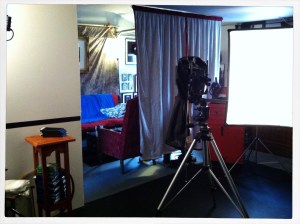
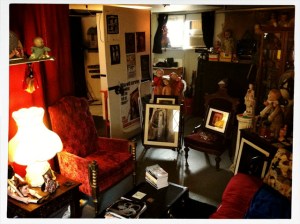
Matthew's Studio

Matthew’s Studio

Are there people such as family, friends, writers, philosophers or even pop icons that have had an impact on the work you do?

My artist friends: Rachel Mack,Conrad Guevara,Clayton Skidmore,Ayla Rexroth,Brian Henkel,Russell Shoemaker,Mike Kelly, Daniel Johnston and Philip Guston

If you had an occupation outside of being an artist, what would that be and why?

I would like to be a baseball manager.

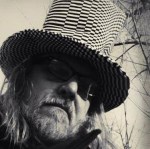
Matthew Soctt Gualco Headshot Matthew Gualco

www.matthewgualco.com

All images copyright of the artist and used with their permission. 

Posted in mixed media | Leave a comment

Melissa Dorn Richards – Milwaukee, Wisconsin

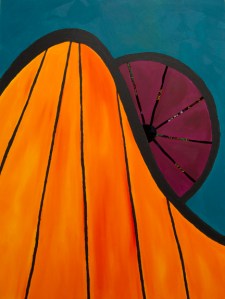
Roller Coaster XV

“Roller Coaster XV”
Oil on Canvas, Black Velvet
48×36″
2013

Briefly describe the work do you do.

I’m intrigued by man-made landscapes, from piles of materials to built structures. The piles of materials change daily as they are being used or affected by weather, giving me the sense they are living, breathing organisms. Built structures also capture my attention, particularly when they are seen from a distance and I can imagine the activity in and around them. These piles and structures whether traffic salt, coal piles or roller coasters seem to have become urban stand-ins for my continuing fascination with mountains.

Each painting is carefully planned, starting with a small drawing. The man-made landscapes give me an initial form to work with. I carefully chose what to leave in, although many times what I leave out is just as important. I want there to be some ambiguity to the painting. In the drawings, I work with vivid color and engage a heavy black line to further define the pile or structure. As I paint I pay close attention to the slight gestures of the line portraying the humanness I feel when looking at my “mountains”. Texture has become an important part of defining structure in my paintings through atmospheric blending, heavy layering with a palette knife and thick application with oil stick.

I’ve also introduced shapes cut from “recycled” black velvet paintings into some of my work, enjoying the feeling of collaboration with the unknown artist, and the repetition and texture of the cut pieces.

At what point in your life did you decide to become an artist?

I’m not sure I remember a time I didn’t want to become an artist. Growing up I thought about other careers, but always knew I would be doing art in some form.

Roller Coaster XVI

“Roller Coaster XVI”
Oil on Canvas, Black Velvet
36×48″
2013

Tell us a little about your background and how that influences you as an artist.

I grew up in West Bend, Wisconsin. We moved around a lot prior to setting in there when I was around 7 or 8. I would say I had a pretty normal childhood. I tried a lot of different things; flute, viola, volleyball, basketball and even cheerleading. The one mainstay was art, it was the one thing that always held my interest. We had a strong art program at my high school and the West Bend Museum of Art (now the Museum of Wisconsin Art), played a major role in my continued interest in art. I attribute my positive attitude, which can be seen in my work and plays out in my color choices, to my up bringing.

I tried out a couple colleges, too, and eventually got my BFA from the Milwaukee Institute of Art & Design (MIAD). MIAD provided the small community of artists and designers that I really needed to develop. Beginning in my 20’s, I worked a variety of arts administrative jobs mostly in the non-profit arena, and still do. This has had an impact on my work in many ways, and definitely in the way I organize my studio work schedule. Of course, I really don’t like to do administrative work when I’m not at my “day-job”, and this can be a little bit of a problem when I need to get things done like mailing lists, budgets and pretty much any other computer related task.

Roller Coaster XI

“Roller Coaster XI”
Oil on Canvas, Black Velvet
48×36″
2013

What types of conceptual concerns are present in your work? How do those relate to the specific process(es) or media you use?

I think quite a lot about structure and control in my work. This dictates my process, there isn’t much left to chance when I pick up a brush or start a sculpture. I figure out through drawing what and how the work will look and be produced. The drawings are small, usually 5 inches by 5 inches, so I am able to do them quickly. I typically do not work the entire canvas at once but in stages, again very structured.

We once heard Chuck Close say he did not believe in being inspired, rather in working hard everyday. What motivates you in your studio practice?

I completely agree with Chuck Close, I go to the studio almost every day and I think that is a big part of what keeps me going. Deadlines are also great motivators and I actively seek opportunities so I have plenty of deadlines. I find working in a studio with other artists helps to keep me going every day, too.

When artists living or non-living influence your work?

I really think all artists and all the art that I see influence me. The studio I work in, Plaid Tuba, has an open concept and I am able to see what everyone is working on. It would be hard not to be influenced by my studio mates’ ways of thinking, color choices, and process.

Historically, three of my biggest influences are Mark Rothko, Milton Avery and Anne Truitt.

When you are not making art what types of activities and interests do you engage in? 

I read quite a bit, both art-related and non-art books. I also have a full-time job at the Milwaukee Institute of Art & Design, which takes up a good portion of my time. When I get the chance I like to travel.

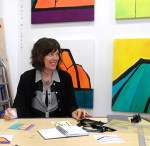
Dorn Richards_Headshot_photo credit Frank JuarezAbout Melissa Dorn Richards

Melissa Dorn Richards started life on an Air Force base in Anchorage, Alaska, and spent her formative years in West Bend, Wisconsin. After bouncing around to different colleges, she moved to Milwaukee to attend the Milwaukee Institute of Art & Design, and received her BFA in 1996. Since graduating she has maintained a strong studio practice, worked with Milwaukee youth through Arts@Large and Artworks for Milwaukee and has become a leader in the local arts community primarily through the Milwaukee Artist Resource Network (MARN). Dorn Richards is also a Plaid Tuba Affiliate with a studio in Milwaukee’s Historic Third Ward.

Select exhibitions include: Schematic, UW-Sheboygan; Abstraction: The Language of Art, Cedarburg Cultural Center; New Works, Gallerie M Intercontinental; Indiana Green, Juarez Invitational; Eight Counties, John Michael Kohler Arts Center; Artist Marketplace, Milwaukee Art Museum; Around the Coyote Festivals, Chicago; Art Chicago, Hotcakes Gallery; Aqua Art Miami, Hotcakes Gallery; and Impromptu, Cedar Gallery.

Dorn Richards is represented by Frank Juarez Gallery, Sheboygan and The Leigh Gallery, Chicago. Her work can be found in many collections including Tax-Air, Northwestern Mutual, West Bend Mutual Insurance Company, Littler Mendelson and Milwaukee Institute of Art & Design.

http://www.melissadornrichards.com/

All images copyright of the artist and used with their permission. 
 

Posted in Painting | Tagged , , , , | Leave a comment

Connie Noyes – Chicago, Illinois

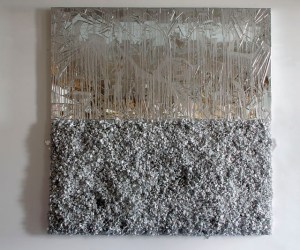
Mirror and Nuggets

“Mirror and Nuggets”
Hand-cut mirror, packing peanuts, chrome aluminum, resin on panel
90” x 90”
2013

Briefly describe the work do you do.

Using unconventional materials, often found or recycled, in combination with high gloss enamel or metal paint and resin, I create seductive surfaces to entice the viewer from a distance and draw them in for a closer look. Many people have told me they want to lick the candy surfaces of my paintings.  Yum is actually a popular comment!  But, the detritus, the skeleton of the work is contradictory to traditional ideas of beauty. By placing multiple and opposing qualities together I aim to question social ideals of what is beautiful or valuable. In art as in life, true beauty is complex and multi-layered.

http://www.connienoyes.com/#!paintings/c233f

For my recent photographic series, No Relation, the images were based on private, memorable statements made to me by various husbands or lovers. For this series I used the photographic image to create a narrative with distinct reference to the power dynamics in love and relationships.

With each work I manipulate and combine appropriated images with my own photographs, scans, found materials and paint. The resin coating creates a tough, impenetrable surface, which seduces with a hidden agenda by acting as a barrier to human touch. This barrier unifies complications of surface textures and protects what is vulnerable. The seductive surface beauty in combination with a hard repellant surface lacking vulnerability seems a perfect metaphor for having No Relation.

More about this work can be viewed here: http://www.connienoyes.com/#!no-relation/cee5

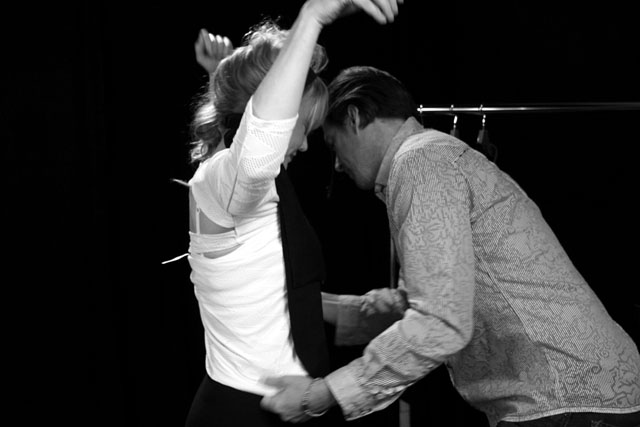
This year, I began incorporating video and social interaction into my work through the KISS PROJECT.  I invited three men from the on-line dating site OK cupid to dress me, as they would like to see me on our first date. The men directed everything, clothing, hair and make-up where I stood or sat, when I spoke etc. I acted as a black slate, open to the many interpretations of their projections.  The project’s impetus was a film by Thomas Edison in the 1890’s called The Kiss. Each of the men had to include a kiss in their directives to me. The ongoing project can be viewed here: http://www.connienoyes.com/#!the-kiss-project/cq73

These bodies of work are related through my never-ending desire to understand the relationship of opposites.

Kiss project, Kevin dressing me

“Kiss project, Kevin dressing me”
Digital print
size varies
2013

At what point in your life did you decide to become an artist?

I think the first time I knew I was a creative person was as a freshman in college. This was the first time anyone ever gave me attention or support for being creative.  I can’t say I considered myself an artist at this time, but I loved the process of making images.  My first photography class was magic and though I never labeled myself a photographer either, I ended up majoring in photography as an undergrad and continued on in photography at the School of the Art Institute in Chicago as a grad student. From the beginning I used the photographic image as a jumping off place to create a personal story of my own conflicted perceptions of relationships. I don’t know when I actually used the label “artist” to refer to myself, but after trying on other labels, waitress, teacher, therapist, manager among a few, I know now “artist” is my state of being if that makes any sense. There is no difference between my art and my life. I am my art.

He said: Life is full of holes. It just is. You can’t go running around like a lunatic trying to fill them up.

“He said: Life is full of holes. It just is. You can’t go running around like a lunatic trying to fill them up.”
Digital image, enamel, resin, on panel, frame
63×43″
2012

Tell us a little about your background and how that influences you as an artist.

The biggest influence on me as an artist was getting a Masters degree in psychology and then going into private practice as a psychotherapist/art therapist for four years while living in San Francisco. I worked mostly with substance abusers, alcoholics and women who had been sexually abused. I learned that in order to facilitate change I needed to build a relationship with the patient and trust that somehow we would make it out alive together. I learned to fully trust the process without forcing my own agenda. The intensity and necessity of self-examination in order to do this work was frightening and transforming. Being another’s therapist, through rewarding, was not my path.

Sitting with people in chaos however made me a better artist.  The process was not that different from standing in front of a blank canvas. The more chaos created, the more opportunities present themselves. There is always a time in the creative process where I am not sure I will make it out alive.  Or, if I do, I am sure I will never make art again. Self-doubt is loud.  But, I have been through this enough now to know it is when I allow myself to be involved in the process, not judge the moment and not be invested in the outcome unexpected and wonderful things happen. I am constantly working my way out of disastrous places in my work. As a matter of fact, I don’t ever think I have made work when at some point in the process I didn’t think it was a complete disaster. Usually the day after I am ready to trash the whole thing the work will miraculously resolve itself. Without chaos my work has no life. Without surrender there is no completion Taking risks is a way to create options and trust is paramount.

What types of conceptual concerns are present in your work? How do those relate to the specific process(es) or media you use?

Issues of perception, particularly around how we see beauty, have been present in my work since I began. I continually find new ways to manipulate, reconstruct and embellish discarded materials in order to question the relationship between external and internal beauty. At first glance, viewers may perceive the paintings as rich and luscious, but upon further examination the materials from which they were created are revealed. As I push and pull materials or images in the creation of these works, the layers become a record of experimentation – the final surface acting as a mask for all that lies beneath.

Working

Working

We once heard Chuck Close say he did not believe in being inspired, rather in working hard everyday. What motivates you in your studio practice?

I have to agree with Chuck Close.  I always tell myself to just show up!!  This is the MOST important part of the creative process. Something always happens even when I don’t feel like working…and sometimes really interesting things happen because of my resistance. I just try to stay open. Inspiration happens because of this discipline.  The process is every bit as important as the finished product, perhaps even more so. The rewards are in the making.

When artists living or non-living influence your work?

As an undergrad, my first major influence was Robert Rauschenberg. I was fascinated with his use of materials in combination with photographic imagery. By chance, I saw his retrospective in three different cities when I was in my early 20’s. I have also been influenced by Eva Hesse’s organic use of materials to create form and space. Her work elegant, powerful and serial in nature uses many opposing qualities – hard and soft, fragile and substantial, abstract and evocative, but it the sensual materiality and physicality of her work that has been most influential.

When you are not making art what types of activities and interests do you engage in? 

I am pretty singularly focused these days on my work and the thousands of other tasks involved in being a full time working artist, but I dance to keep in shape and devour movies on a regular basis.

headshotAbout Connie Noyes

Born in Washington D.C., Connie Noyes is a full time artist in Chicago. She received her MFA from the School of the Art Institute of Chicago and MA degree in Psychology from Notre Dame de Namur University in Belmont California. Her work has been exhibited both nationally and internationally in such cities as Los Angeles, San Francisco, Chicago, London, Paris, Munich and Malaysia. She has been selected for prestigious international artist’s residencies and symposiums, including the Emaar International Art Symposium in Dubai, United Arab Emirates (2005); Thupelo International Workshop in Cape Town, South Africa (2005); The 6th Annual International Symposium of Art in Bulgaria (2006); The 5th International Visual Arts Symposium in Monastir, Tunisia (2007); and in 2008 as a participant in the Visual Arts Festival in Montenegro sponsored by the Association of Fine Arts Belgrade-Serbia and Montenegro. Noyes’ work is in a number of corporate, private, and museum collections including that of, Neimen Marcus, Starbucks, Museum of Contemporary Photography in Chicago and the Greenville County Museum in North Carolina. She is represented by N’namdi Contemporary in Miami.

Connie's Studio

Connie’s Studio

www.connienoyes.com

All images copyright of the artist and used with their permission. 
Posted in mixed media | Tagged , , , , | Leave a comment

Charmaine Ortiz – Carolina Beach, North Carolina

Nubian Prayer Braid (1822)

“Nubian Prayer Braid (1822)
Graphite on Paper mounted to panel
10x13x1.5″
2013

Briefly describe the work you do.

I work with graphite and seek to challenge its capabilities through new applications including object making, printing, and airbrushing. I make my own graphite pencils and also incorporate factory-made graphite pen

cils into my work.  My drawings are conceptually about graphite and use titles which reference the material’s history (geographical discovery, industry leaders, etc.) while formally using line work and patterning derived from my cultural background (Mexican Indian textile patterns, Mesoamerican stamps, and Aztec codices).

Tell us a little about your background and how that influences you as an artist.

I grew up in rural North Carolina and did not have access to art classes nor paint, so I always drew with no. 2 pencils.  My father moved to North Carolina from Mexico and worked at home as a civil engineer using graphite and various kinds of drawing guides.   Drawing materials were always lying around so I became accustomed to them at an early age.   In 2008 my father gave me some of his drafting tools (antique electric erasers, stencils, and rulers) since he no longer used hand drawing in his profession.  My mother also draws and teaches Spanish and Latin American literature at a local university so my love of art, Latin American culture, and history was nourished by her.

I drew at an early age and continue to draw as an adult because I enjoy the process and I continually respond to it.  Drawing is a standard in my daily existence and I feel like I’ve known the materials all my life.  I am comfortable but surprised by the way they open up through continual experimentation.

Medford Mastaba

“Medford Mastaba”
Graphite and Acrylic on Paper mounted to panel
15x12x1.5″
2013

The concept of the “artist studio” has a broad range of meanings, especially in contemporary practice. The idea of the artist toiling away alone in a room may not necessarily reflect what many artists do from day to day anymore. Describe your studio practice and how it differs from (or is the same as) traditional notions of “being in the studio.”

 The artist toiling in the studio has been romanticized for ages.  In the book, Art and Fear, the author does an admirable job of evaluating this notion in more practical terms. I have a small home studio but do not only work in single dedicated space.  Instead I see the studio as a combined place, space, surface, etc.  (indoor, outdoor, real and imagined).  For me “studio” is more specific to focus and less about a physical space; it is a state of mind to realize works (mentally and/or physically).  So theoretically you could have studio days in your mind just organizing thoughts, breaking down concepts, and seeing ideas through.  I work on my drawings on a daily basis, as a fluid part of my life.  The work finds me wherever I am and I make sure it gets done wherever that may be.

"Medford Mastaba" detail

“Medford Mastaba” detail

What unique roles do you see yourself as the artist playing that you may not have envisioned yourself in when you first started making art?

The role of being the professional writer for grants and all other assortments of various prompts is tedious.  Using a limited number of words and characters to clearly explain something much larger than one’s self in as few of words as possible can be agonizing.  I did not imagine all the writing I would do as an artist.

When do you find is the best time of day to make art? Do you have time set aside every day, every week or do you just work whenever you can? 

The best time to make work for me is anytime that becomes available.  Obligations I have include various side jobs that I work which are important to my well-being but are also not brain suckers that could potentially eat into my mind and time after I leave.  I work daily on my art but believe that having a healthy balance of body and mind (including participation in things which aren’t specifically art related) is important so that I can have a steady stream of effort and positive progress rather than burning out.

Brockendon's Blocks

“Brockendon’s Blocks”
Graphite on Paper mounted to panel
15x12x1.5″
2013

How has your work changed in the last five years? How is it the same?

I have always drawn with graphite, but my work has changed in the conceptual mechanics embedded within my mark.  As opposed to five years ago, I am becoming more attuned to the language of semiotics, making fuller use of line work which can function in and outside of formalism.  These lines and marks allude to histories, culture, and process, and in doing so become less arbitrary, random, and non-descriptive.  However, in my process I do still have a niche for less symbolic marks as I work to finish a drawing I will often just do what feels right. Overall, I am trying to become more aware of the power of line as a symbolic signifier without getting too clouded by theory and losing sight of what is real about the material in front of me at that moment.

Are there people such as family, friends, writers, philosophers or even pop icons that have had an impact on the work you do?

Various influences on my work include my family, professors, other artists, writers, pop icons, etc.  A few include Aby Warburg, Giles Deleuze, Félix Guattari, Winnie the Pooh (stress reliever), Remedios Varo, Gabriel García Márquez, Claes Oldenburg, and Charline von Heyl among many.

If you had an occupation outside of being an artist, what would that be and why?

Baker. I’ve worked at various bakeries throughout the years to support myself and have really enjoyed it.  I love making things with my hands and the early hours from 4am-noon were ideal for me.  I’ve been doing artist residencies for the past two years so it has been difficult to find an occupation where I could leave for a few months and still have a job when I came back. Right now I rule the side job world.

Ortiz_HeadshotAbout Charmaine Ortiz

Charmaine Ortiz is a visual artist based out of Carolina Beach, North Carolina. She received the Combined Honors Fellowship earning her MFA in Painting and an MA in Art History from Savannah College of Art and Design. She has earned other merit awards including SCAD’s Encore Award as well as fellowships and residency grants from the National Endowment for the Arts, the Vermont Studio Center, and The Kimmel Harding Nelson Center for the Arts. She has exhibited her work both nationally and internationally and has also presented her art historical research at Universities across North Carolina and Georgia. Her work was most recently accepted into The Drawing Center (NY) Viewing Program.

www.charmaineortiz.com

All images copyright of the artist and used with their permission. 

Posted in mixed media | Tagged , , , , | Leave a comment

Jay Batista – Grafton, Wisconsin

Limit of Sighs

Limit of Sighs
Acrylic Collage
18×24″
2013

Briefly describe the work do you do.

My work is primarily acrylic collage integrating Asian papers and foreign script calligraphy (Russian, Japanese, Korean, Arabic, etc.) in works exploring the design concepts of texture, color and rhythm. I paint detailed negative space to create the landscapes and incorporate image transfers to balance the design, and I carry the paintings around the sides of gallery wrap canvases.

At what point in your life did you decide to become an artist?

At 12 years old I attended a class at the Cincinnati Art Conservatory and wandering the museum on my own every weekend firmly planted the seed of art in me. Plus my Father, while a successful executive continued to do pen and ink works every year for our holiday cards, so I witnessed a continuous example of artistic resolve and commitment that has influenced me to this day.

Weirwood

“Weirwood”
Acrylic Collage
16×24″
2013

Tell us a little about your background and how that influences you as an artist.

An intellectual and a well traveled business person, I take every available opportunity to visit museums and galleries around the world, where one can find gems like the impressionist paintings in the Gothenburg Sweden museum, all of which I had never previously seen, or the eerie work of H.R. Giger in its idyllic Swiss valley. I love art history. And I pickup foreign language press everywhere I go, which often appears in my collaged work.

What types of conceptual concerns are present in your work? How do those relate to the specific process(es) or media you use?

I am primarily interested in the exact moment when a viewer perceives the image is not a “picture” but a carefully crafted construct of component parts, shreds of paper and splashes of paint—from across the room it looks like a landscape, but as one approaches, the image suddenly becomes mysterious writing and fibers and paint. All those elements make the painting an image worth exploring, and I want the layers and “surprises” to intrigue for many years. In order to craft these images, my process involves many layers of paint, collage, various mediums, scraps of cloth and thread, abstract expressionistic splashes, scrapes and pours, etc., as many as 20 to 30 layers in a finished work.

Lush Life

“Lush Life”
Acrylic Collage
18×24″
2013

We once heard Chuck Close say he did not believe in being inspired, rather in working hard everyday. What motivates you in your studio practice?

As each piece is painted in layers, my process involves allowing drying time for each consecutive layer and I usually have 5 to 10 works underway at any given time. Because the process needs continuous layers to move through its “ugly stage” to a finished work, I am constantly drawn to the “next step” and a partially completed piece may sit for months awaiting the final layers. Seeing the half completed works supplies motivation every morning… Also, this quote hangs in my studio: “A man who is excellent at making excuses is seldom good at anything else.” Benjamin Franklin

When artists living or non-living influence your work?

Departed: Pissarro, the Fauves, Picasso, de Koonig, Ad Reinhart and Edward Betts

Contemporary: Gerald Brommer, Katherine Chang Liu

When you are not making art what types of activities and interests do you engage in? 

I am very involved in the local arts scene as well as the local community, fund raising for art installations and community beautification. When I have time, I write short stories and poetry, and play musical instruments.

Jay BatistaAbout Jay Batista

b. 1958

  • Education: BA, Miami University; MA, Ohio University
  • Jury inducted member, League of Milwaukee Artists, Board of Directors 2011 to 2014
  • Elected Member, Public Arts Board, Grafton, WI 2011 to 2014
  • Member, Cedarburg Artist Guild, 2011 to 2014
  • Works in private collections in 12 states and Europe

Representation:

  • The 510 Gallery, Dayton, OH
  • The Sadler Gallery, Milwaukee, WI
  • The Cedarburg Art Museum gift shop, Cedarburg, WI

Shows:

10/1999        Art Guild Annual Show, Nashua, NH
11/2010        Show: “Hedgerows,” 510 Gallery, Dayton, OH
2/2012          League of Milwaukee Artists Spring 2012 Show, Milwaukee, WI
9/2012          League of Milwaukee Artists Fall 2012 Show, Hartford, WI
7/2012          Show: “Landscapes,” 510 Gallery, Dayton, OH
12/2012        Members Show, Cedarburg Cultural Center, Cedarburg, WI
1/2013          League of Milwaukee Artists 2013 Spring Show, Cardinal Stritch University Gallery, Milwaukee, WI
8/2013          Cedarburg Art Guild Juried Members Show, Cedarburg, WI
9/2013          Gallery Night & Day Featured Artist, “New Works in Acrylic Collage,” Sadler Gallery, Milwaukee, WI

Jay's Studio

Jay’s Studio

www.jbatistapaints.com

All images copyright of the artist and used with their permission. 

Posted in mixed media | Tagged , , , , | 5 Comments